Skip to content
Get a Quote
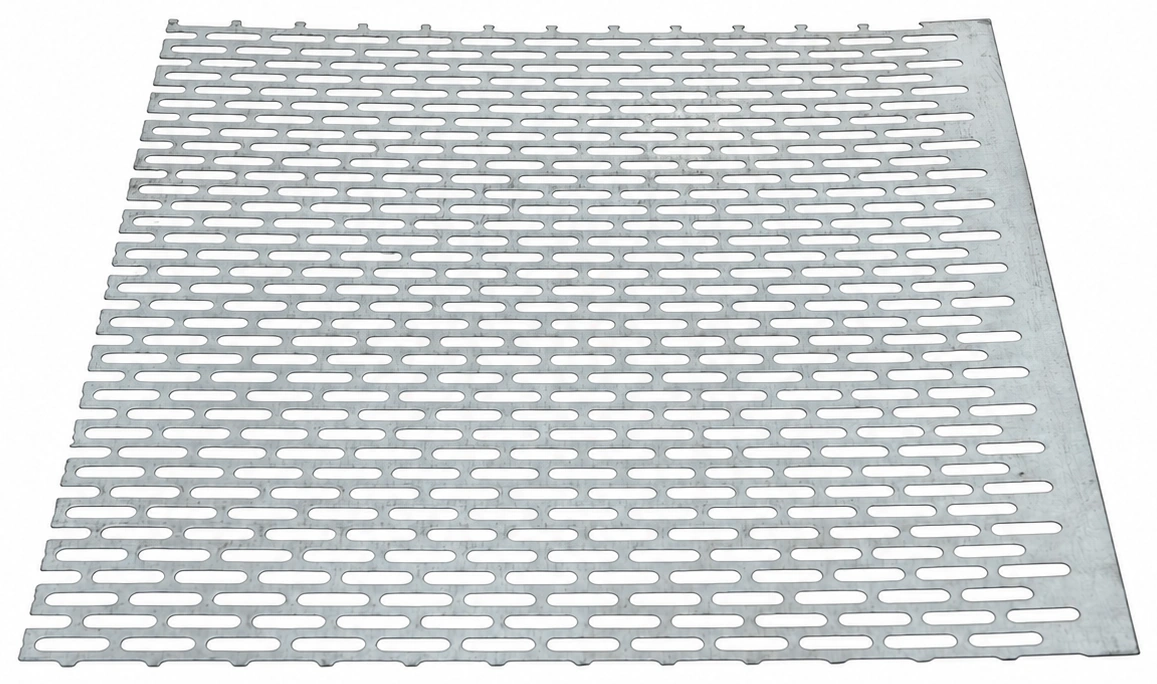
Aluminum perforated sheet sample with elongated slotted openings

PERFORATED METAL

Aluminum Perforated Metal

A lighter starting point for perforated panels. Define the opening, support layout and finish together to create aluminum screens that balance airflow, appearance and practical installation.

Lower panel weightCoordinated hole layoutsFinish-led design
MaterialAluminum alloy; grade and temper to specification.
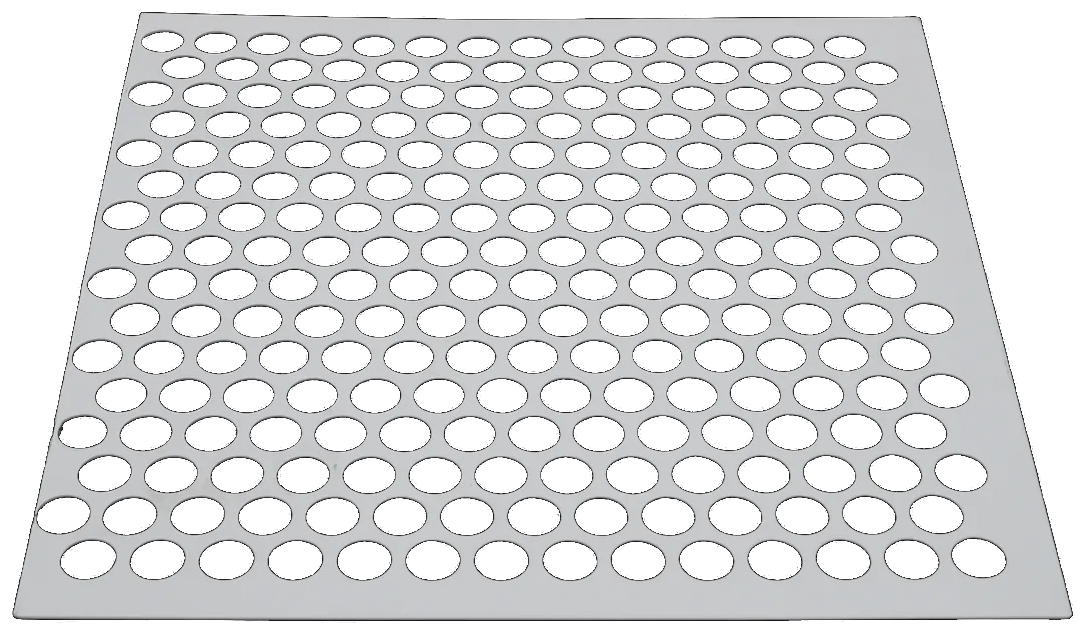
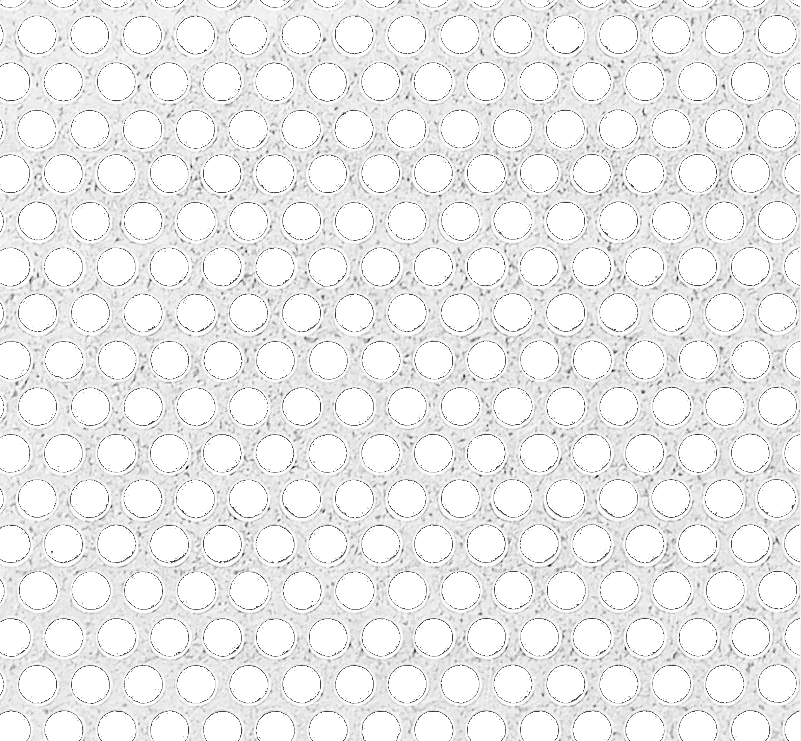
OpeningsRound, square, slotted or custom layouts.
Panel DesignThickness, margins and folds reviewed together.
FinishSpecify the color, texture and exposure.

PRODUCT OVERVIEW

Lightweight Perforated Panels Designed Around the Assembly

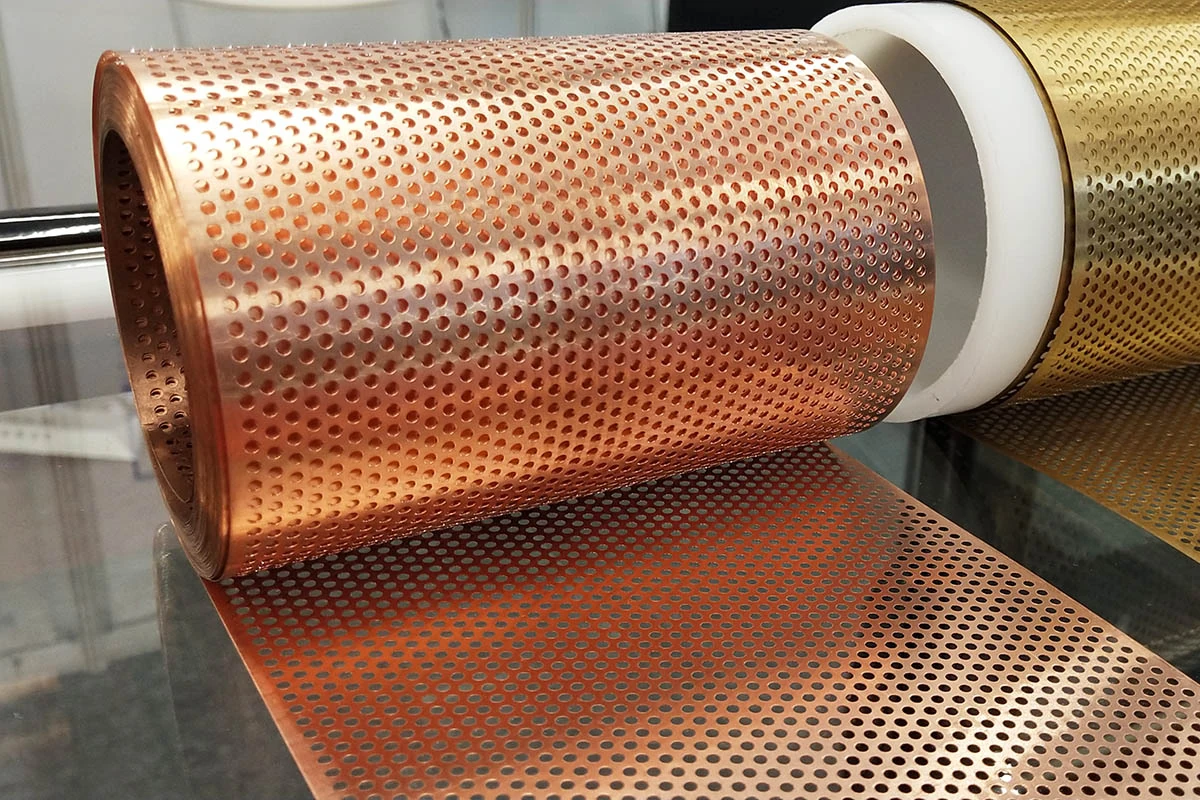
Aluminum perforated metal combines reduced panel weight with controlled openings for ventilation, screening and architectural expression. Alloy and temper, sheet thickness, hole size, pitch, open area and solid margins should be selected as one system rather than as separate specifications. The panel size, fixing positions and folded returns also influence the stiffness and appearance of the finished assembly.

Typical inquiries include facade screens, ceiling panels, ventilation covers and interior feature panels where easier handling and a coordinated finish are important. Large unsupported panels still require an appropriate support layout, while anodized or coated surfaces should be approved against the intended color, gloss and exposure. Where acoustic performance is required, the complete panel, backing and cavity arrangement must be assessed together.

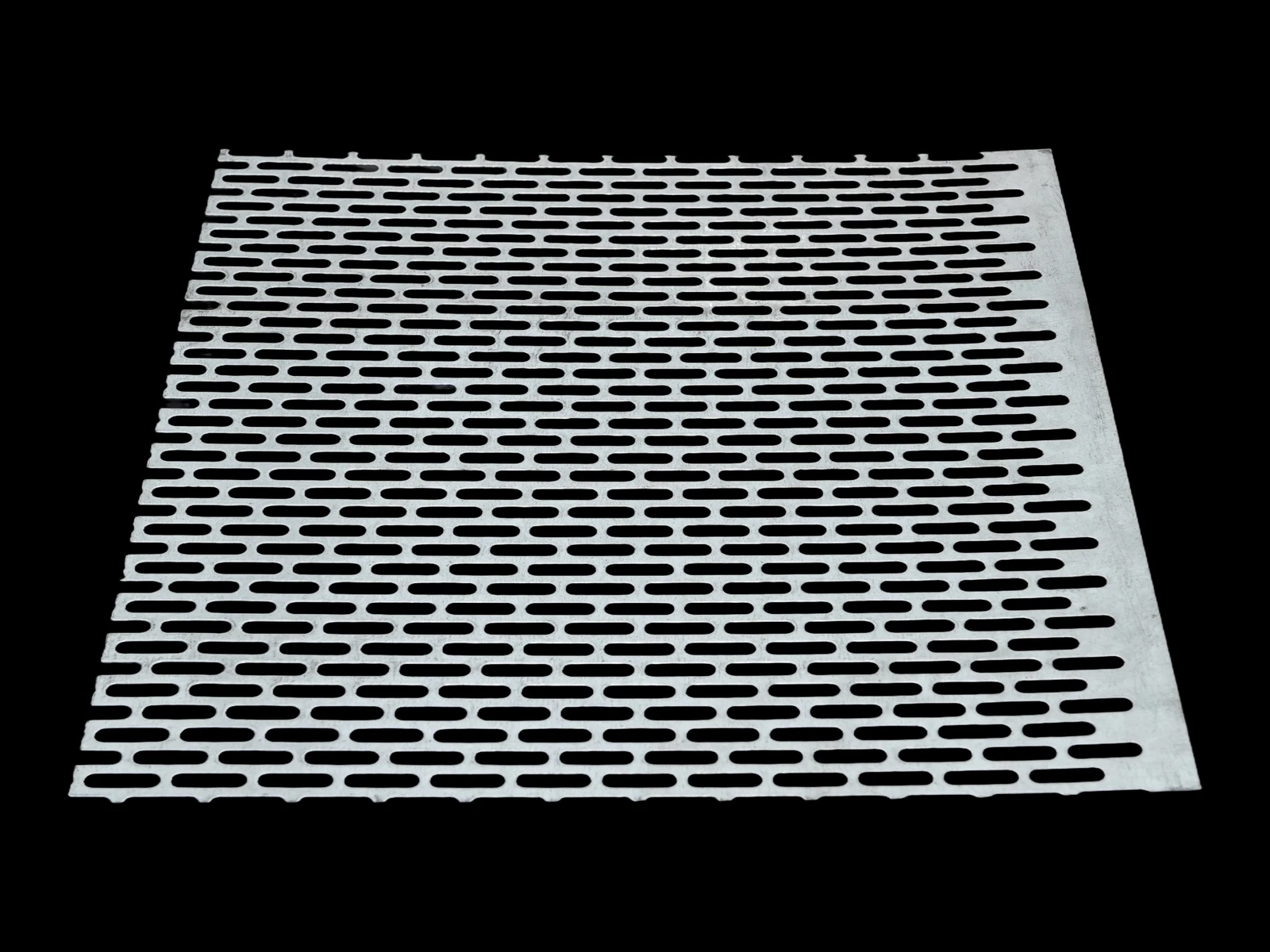
Silver-gray perforated metal sheet with staggered elongated slots on a white background

MATERIAL SELECTION

Why Specify Aluminum Perforated Metal?

Key Advantages

Reduced dead weight can simplify handling; perforations introduce visual rhythm and ventilation paths; a defined finish brief helps coordinate panels with adjacent elements.

Considerations

Large unsupported panels still need a stiffness review. Confirm alloy, temper, bend details and finish suitability before release; a lightweight sheet is not automatically a rigid assembly.

Best-fit Uses

Consider facade screens, ceiling panels, ventilation covers and interior feature panels where reduced weight is useful. Acoustic performance, if required, must be assessed with the complete backing and cavity arrangement.

TECHNICAL INFORMATION

Specifications & Custom Range

Final dimensions and compatible combinations are confirmed against the approved drawing or mesh specification before production.

Alloy & Temper

Reference alloys: 1060, 3003 and 5052. Confirm the temper and suitability for the required folds and finish.

Thickness & Stiffness

Provide the required thickness, unsupported span and fixing layout for a coordinated panel review.

Hole Geometry

State hole shape, size, pitch and open area, including any solid margins or fixing zones.

Panel Size

Give finished width, length, return depths and flatness requirements. Confirm the feasible format for the selected pattern.

Surface Finish

Request mill finish or a project-specific coated or anodized finish; confirm the process, color sample and exposure requirements.

Order Basis

Common specifications are regularly stocked, while non-standard sizes, materials and finishes can be produced to order. Final quantities and delivery schedules are confirmed with the quotation.

FROM SHEET TO FINISHED PANEL

From Flat Sheet to Lightweight Panel

01

Define the Panel

Agree margins, fixings and return folds before setting the hole layout.

02

Perforate the Layout

Confirm the approved pitch, opening and face orientation.

03

Form & Finish

Sequence folds and surface treatment to suit the specified finish.

04

Check the Fit

Review finished dimensions and the agreed visual sample before packing.

FREQUENTLY ASKED QUESTIONS

Aluminum Perforated Metal FAQ

Material, specification and commercial details are confirmed for the actual project.

Will a thinner aluminum panel perform like a steel panel?

Not necessarily. Panel geometry, support spacing and alloy condition must be reviewed rather than substituting thickness directly.

Can the hole layout continue through folded edges?

Show the fold lines on the drawing. Perforations close to bends need a forming review and may require solid margins.

Which finish should I request?

Start with the color sample, gloss level, environment and maintenance expectations; confirm the compatible finish system with the quotation.

Is open area the same as acoustic performance?

No. Open area is one input; the backing, air cavity and tested assembly determine the acoustic result.

What should I send for a panel quotation?

Send the drawing, alloy preference, thickness, hole layout, finished dimensions, finish and quantity. Include support details for larger panels.

Aluminum perforated sheet sample with elongated slotted openings

LET’S WORK TOGETHER

Plan Your Aluminum Panel Layout

Share your panel drawing, finish reference and installation priorities. Not sure of the specification? Send a photo, sketch or application description, and we can help identify the details needed for a quotation. Send photos or drawings by email to trade@hightopmetalmesh.com.