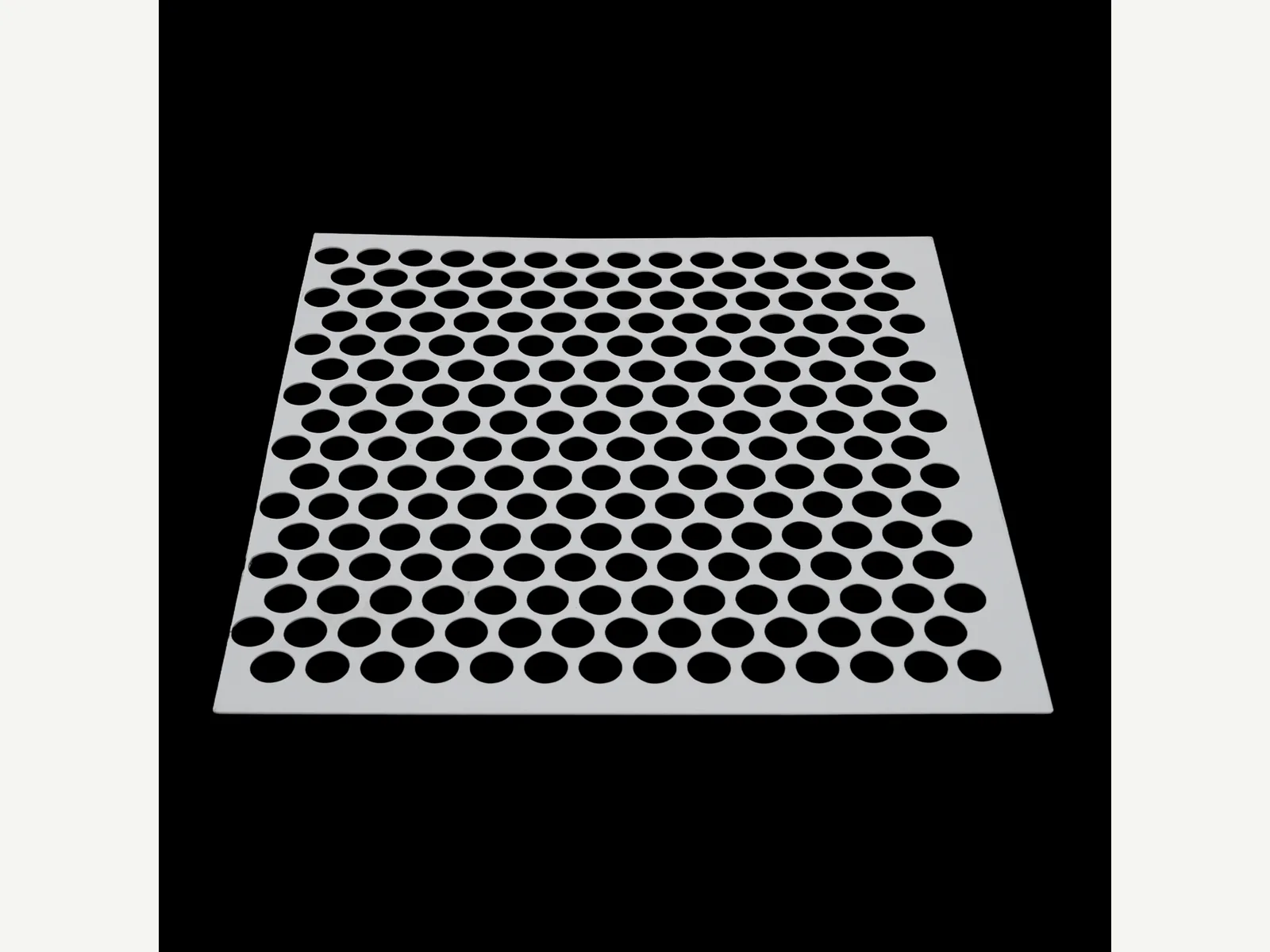
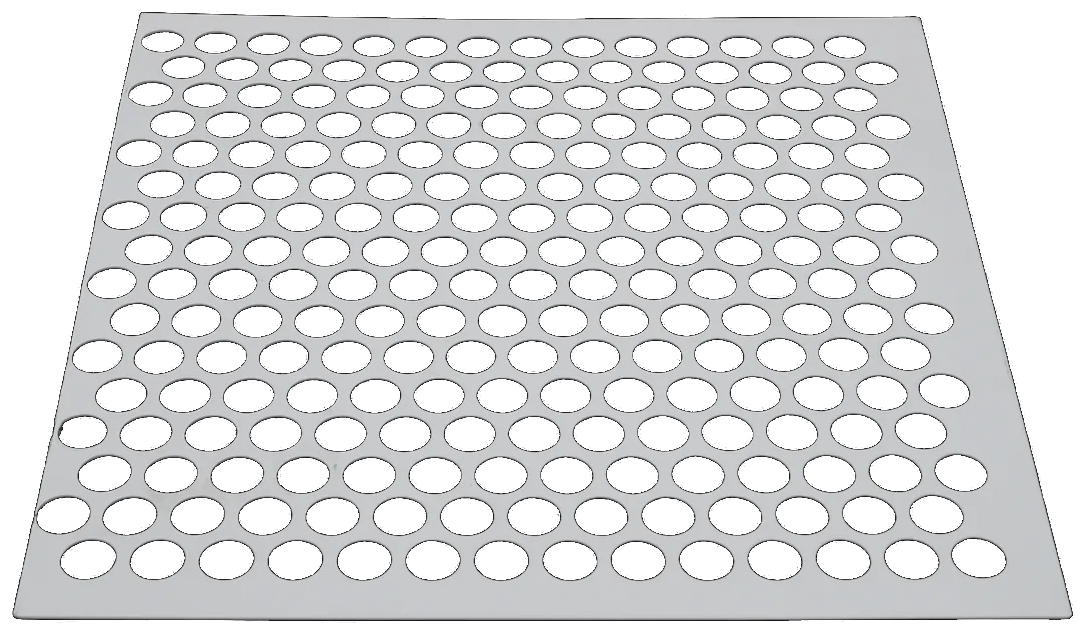
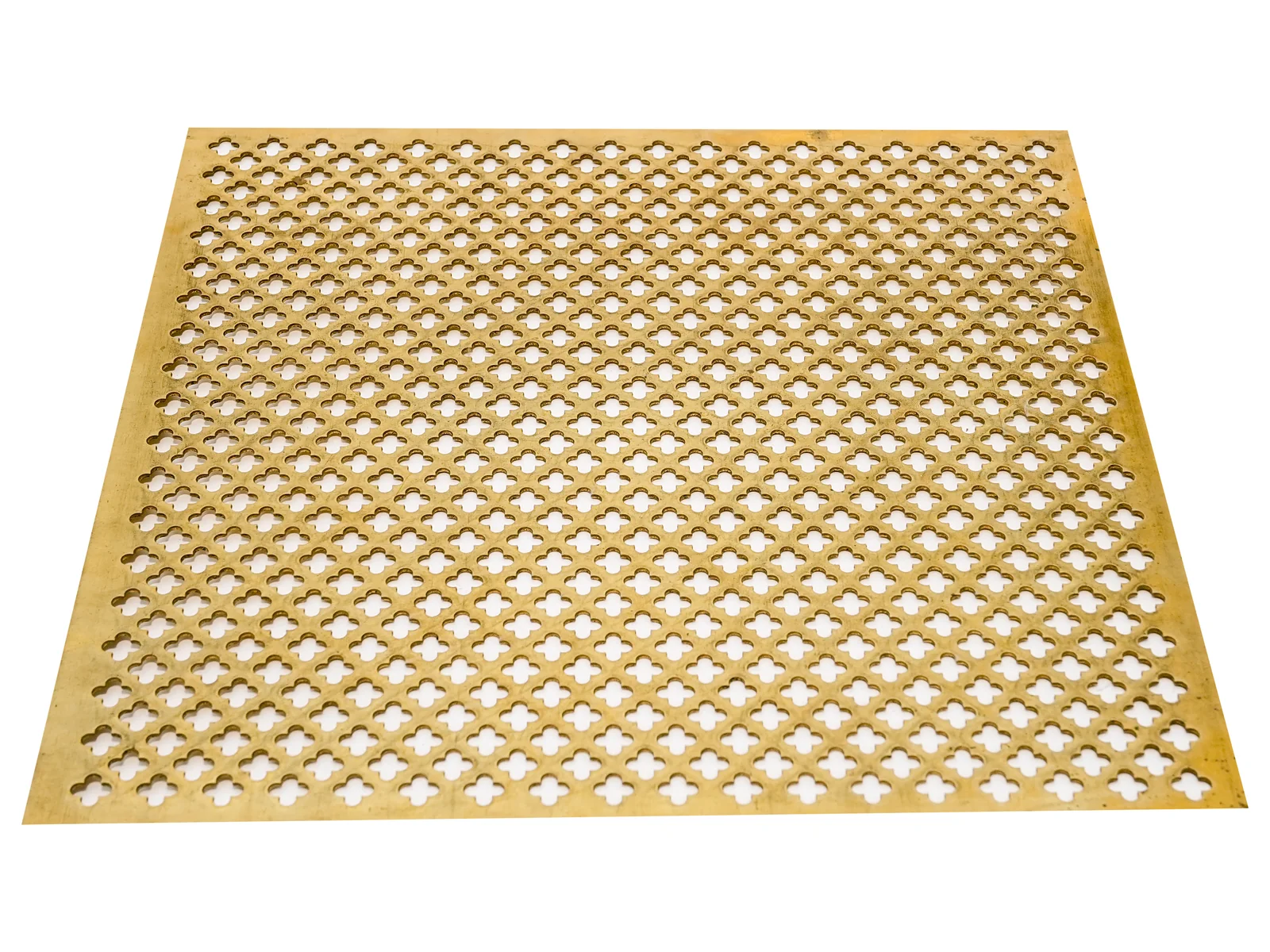
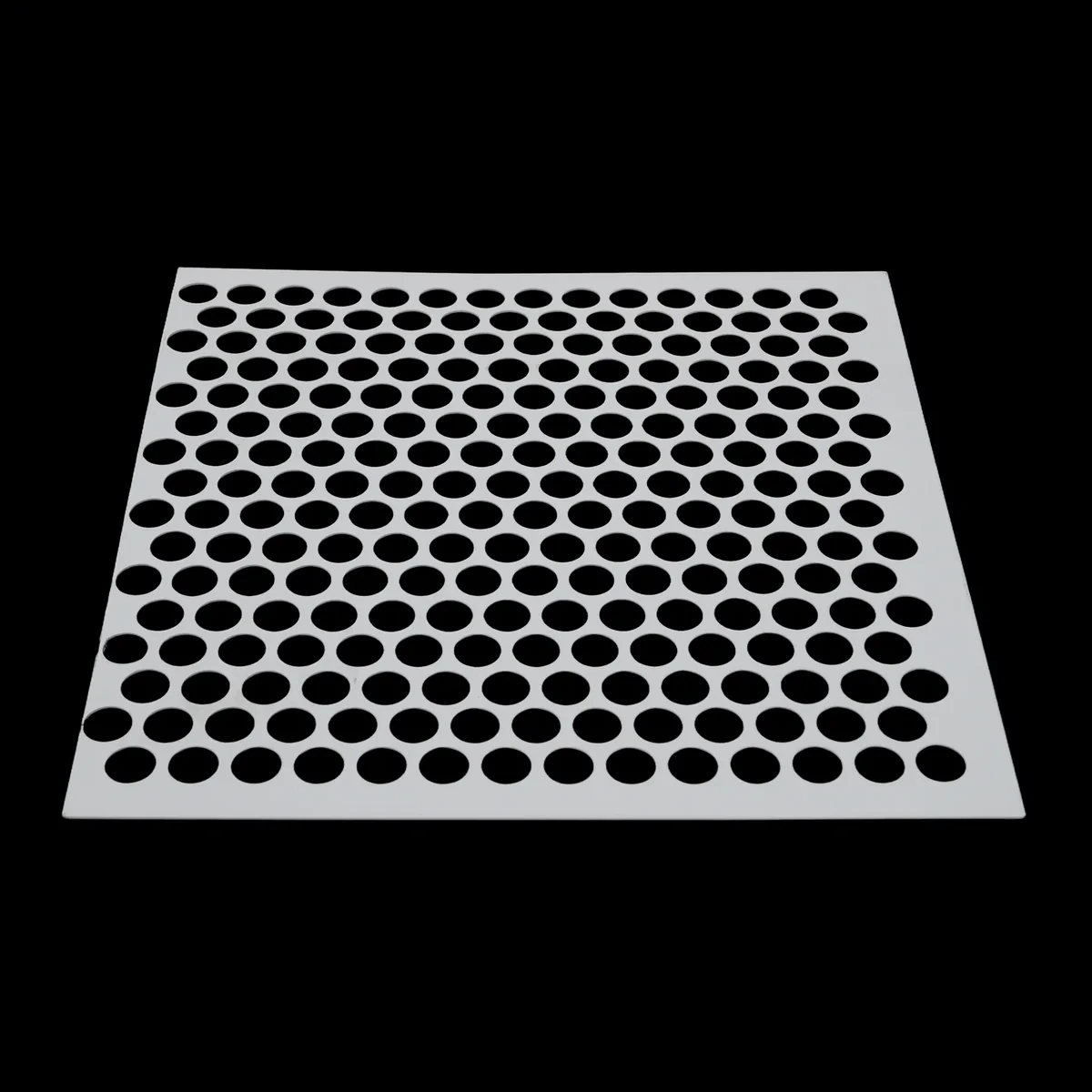
Stainless steel perforated metal combines controlled hole geometry with corrosion resistance, cleanability and a durable metallic appearance for architectural, ventilation, hygienic and industrial applications.
Surface OptionsNatural, polished, brushed, coated or passivated
PRODUCT OVERVIEW
Engineered for Architecture and Industry
Stainless steel combines controlled hole geometry with corrosion resistance, cleanability and durable metallic appearance. Grades 304 and 304L suit many general duties, while 316 or 316L can be considered for chloride exposure and demanding cleaning environments.
Compared with aluminum, stainless steel offers greater stiffness, wear resistance and temperature capability. It is often preferred where perforated panels must support hygienic, exterior or long-service requirements.
Durable Performance
Corrosion resistance and a stable perforated sheet structure.
Design Flexibility
Round, square, slotted and decorative opening options.
Long Service Life
Suitable for demanding architectural and industrial duties.
MATERIAL SELECTION
Why Specify Stainless Steel Perforated Metal?
Key Advantages
Controlled hole geometry with corrosion resistance, cleanability and a durable metallic appearance.
304 and 304L suit many general duties; 316 or 316L can be considered for chloride exposure and demanding cleaning.
Greater stiffness, wear resistance and temperature capability than aluminum.
Considerations
Heavier and more expensive than aluminum.
Hole sizes close to sheet thickness, narrow ligaments and very high open area require tooling and flatness review.
Do not specify from hole diameter alone; unreviewed 304 is not a universal coastal grade.
Consider aluminum for lightweight panels, galvanized steel for economical guards, or 316/316L where chloride exposure warrants an upgrade.
Best Fit Uses
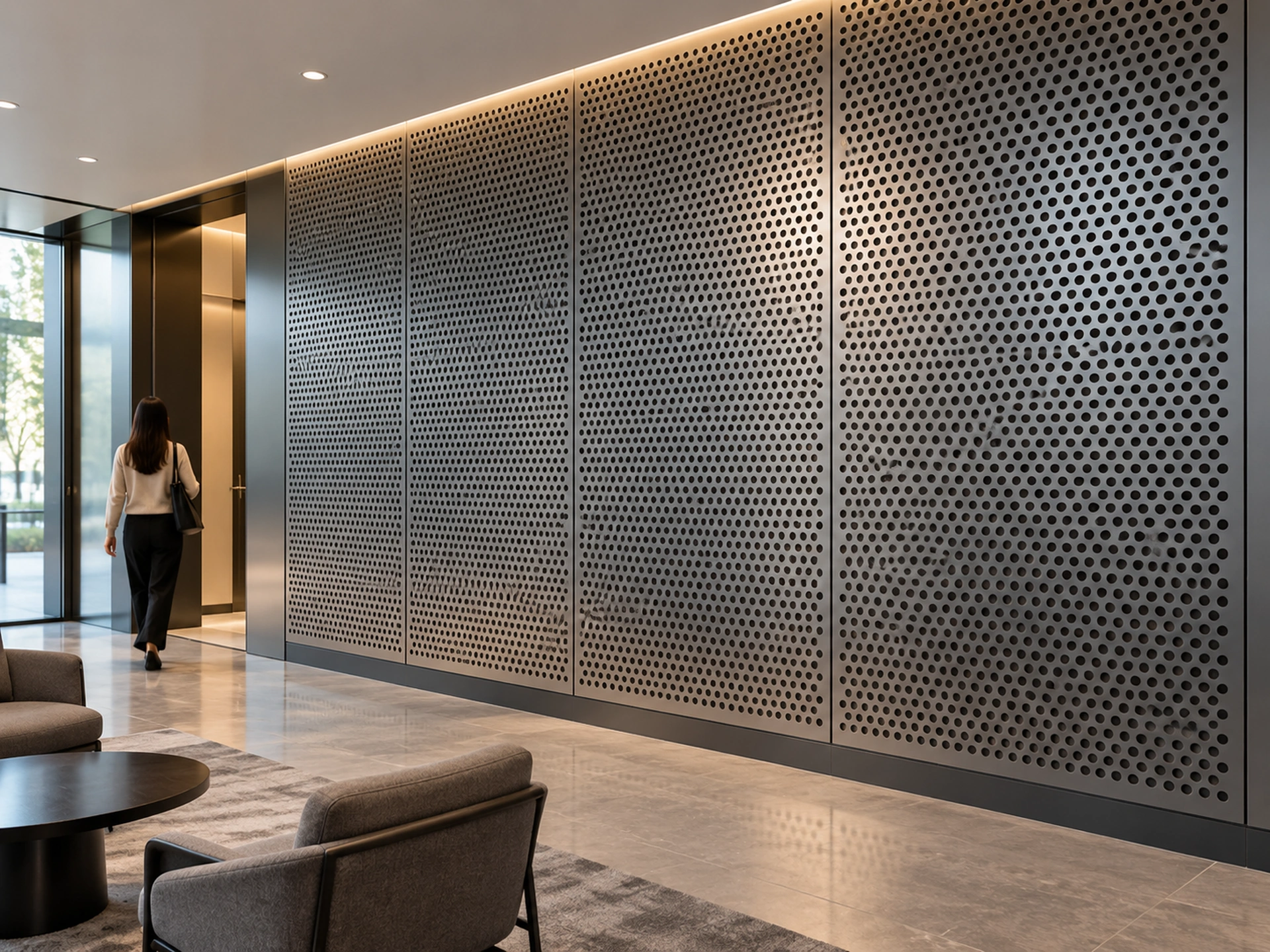
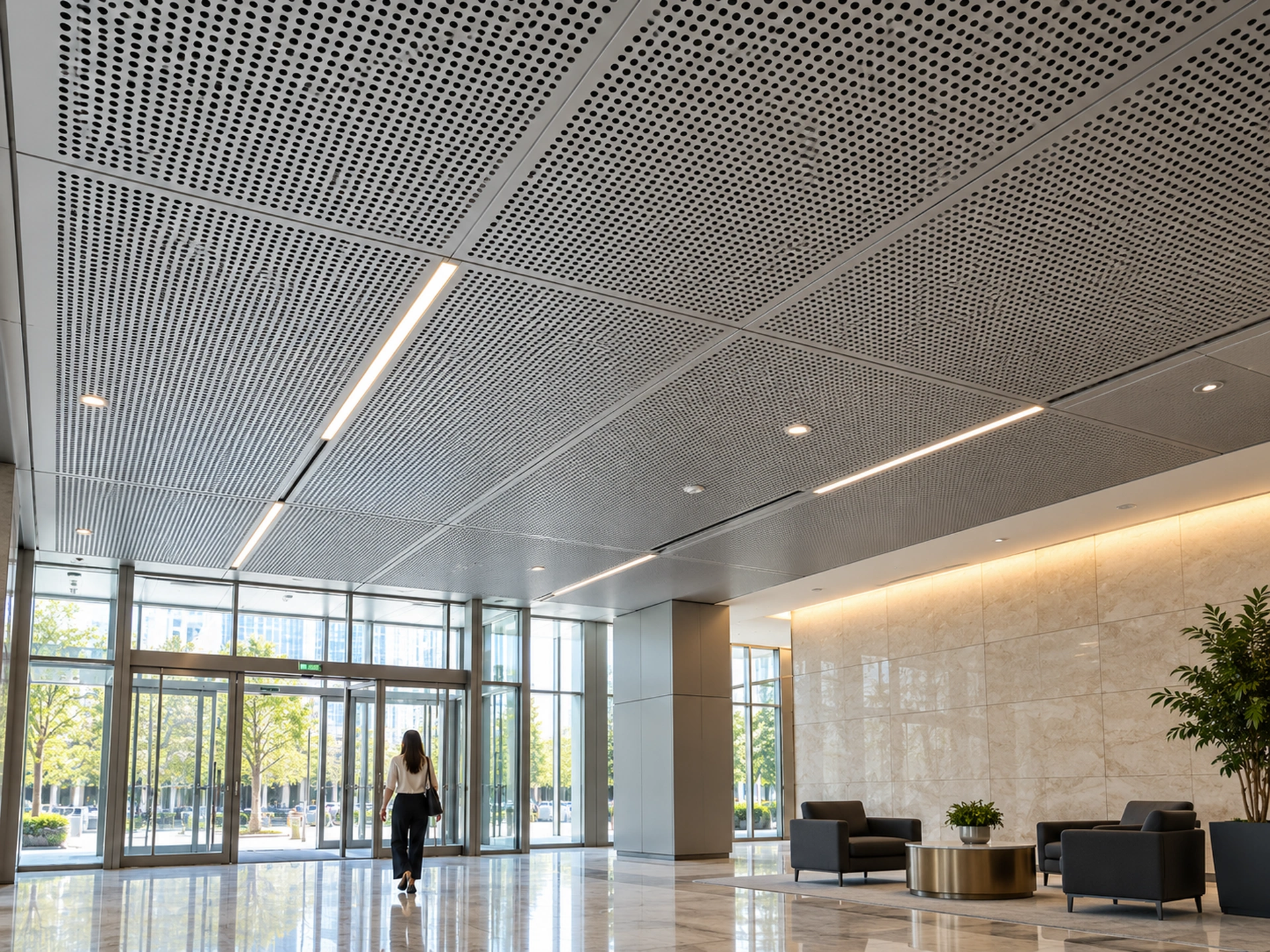
Facades and ceilings
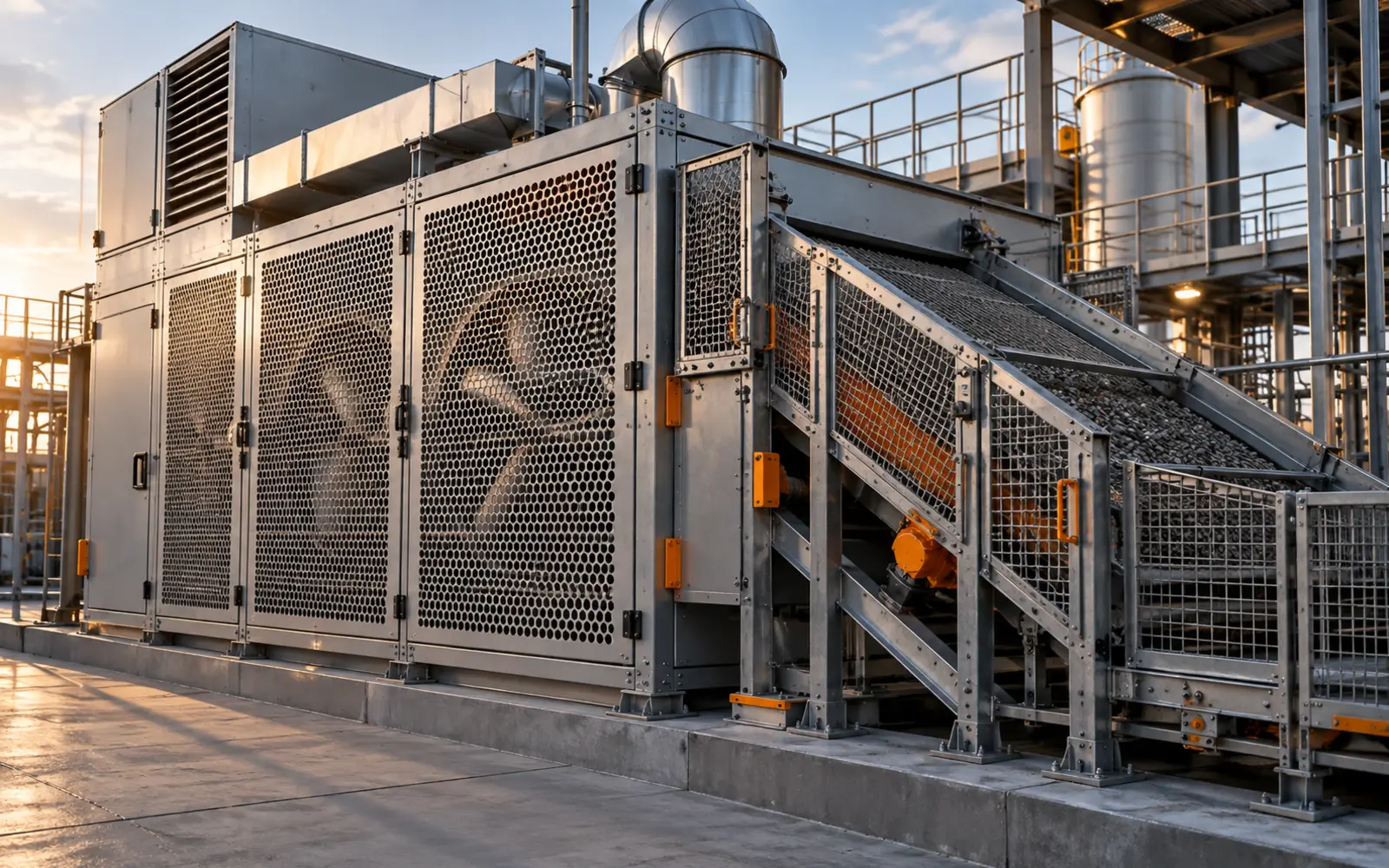
Acoustic panels and HVAC components
Filter supports and hygienic food equipment
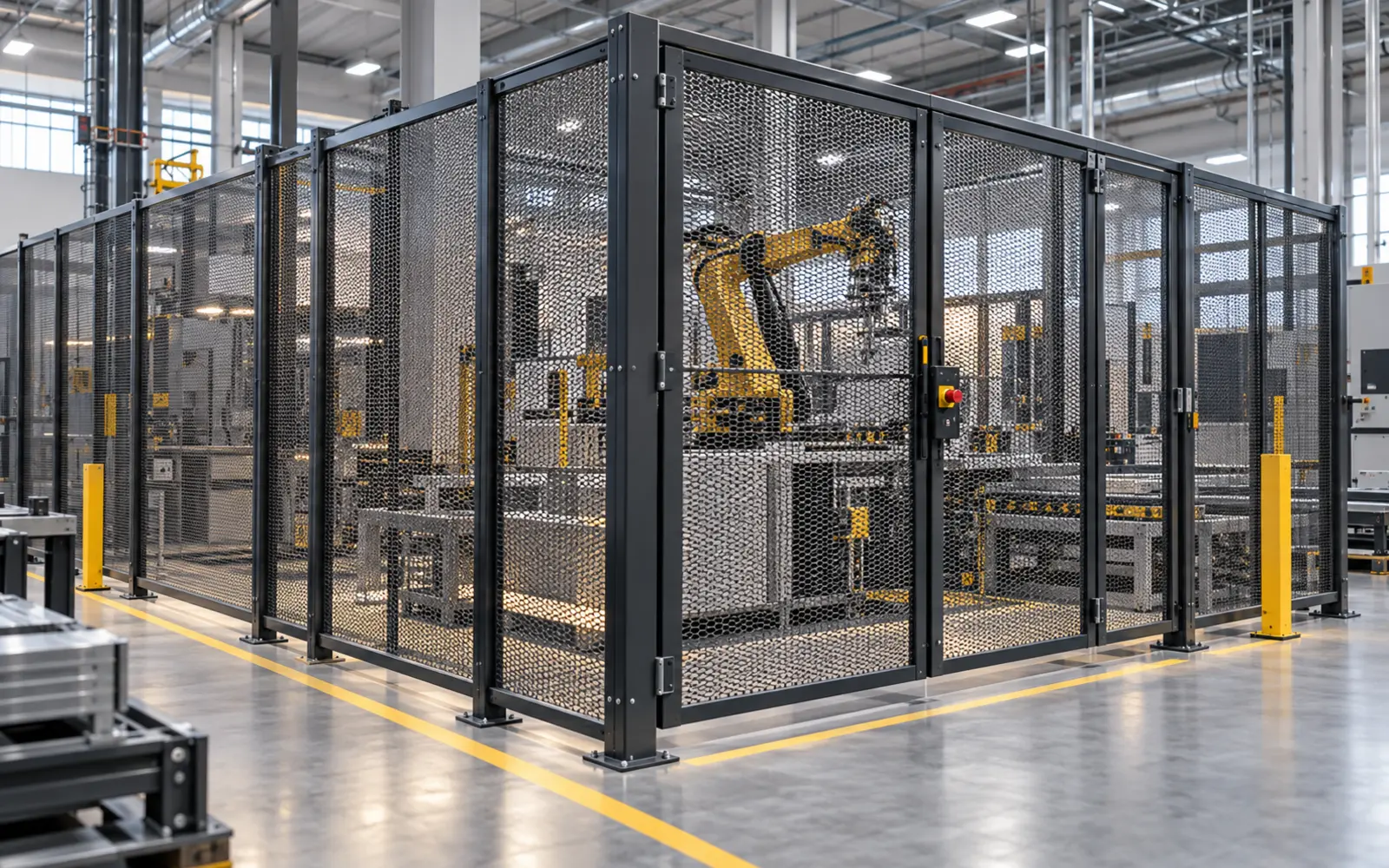
Exterior panels and protective guards
TECHNICAL INFORMATION
Specifications & Custom Range
Review grade, thickness, hole pattern and panel size together. Compatible combinations are confirmed against the approved drawing before production.
Material & Grade
302, 304, 304L, 316 and 316L stainless steel.
Thickness / Production Range
Approx. 0.4–6 mm sheet thickness and 0.5–100 mm hole size. Micro-perforation is reviewed separately.
Hole Types
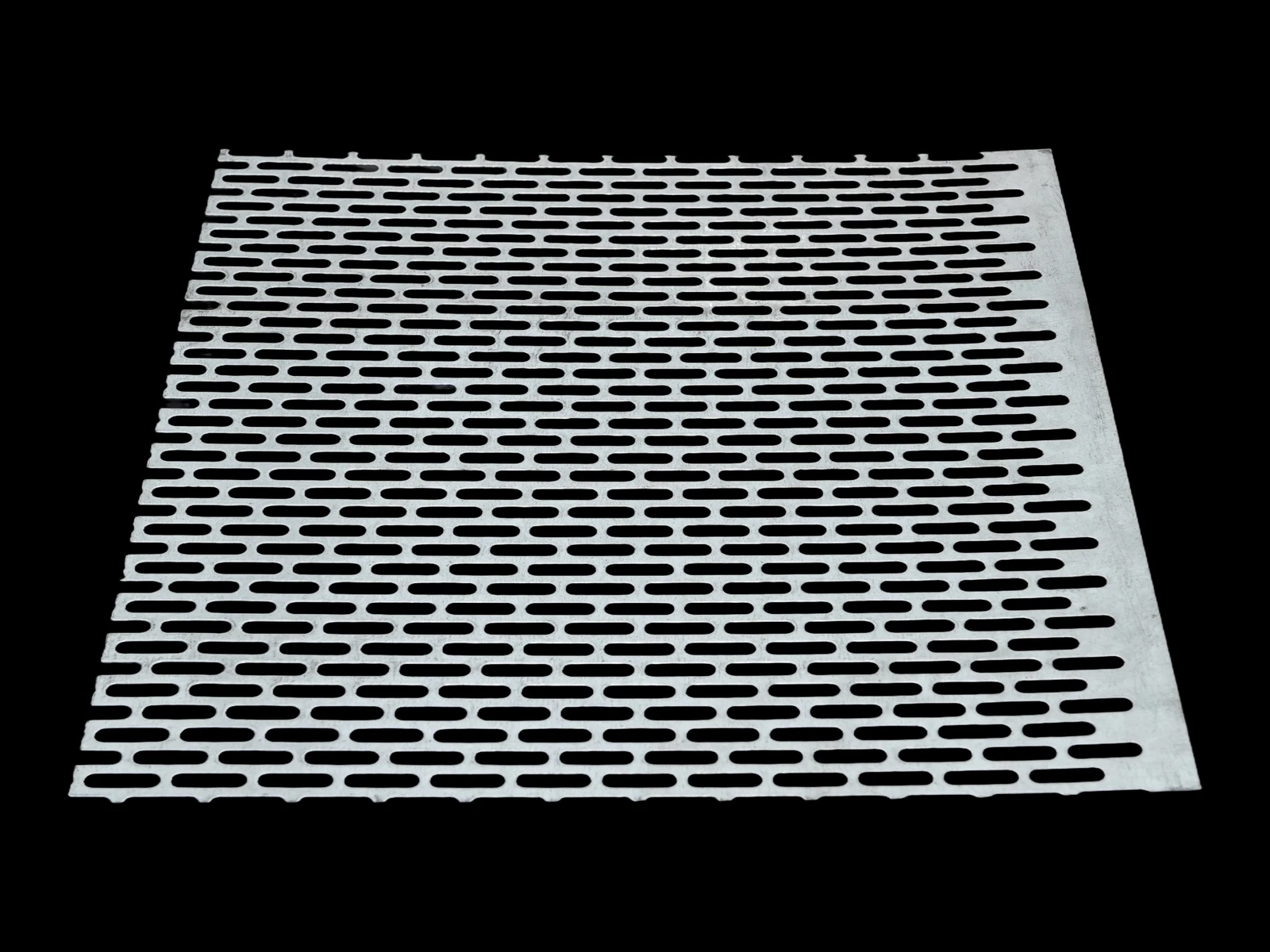
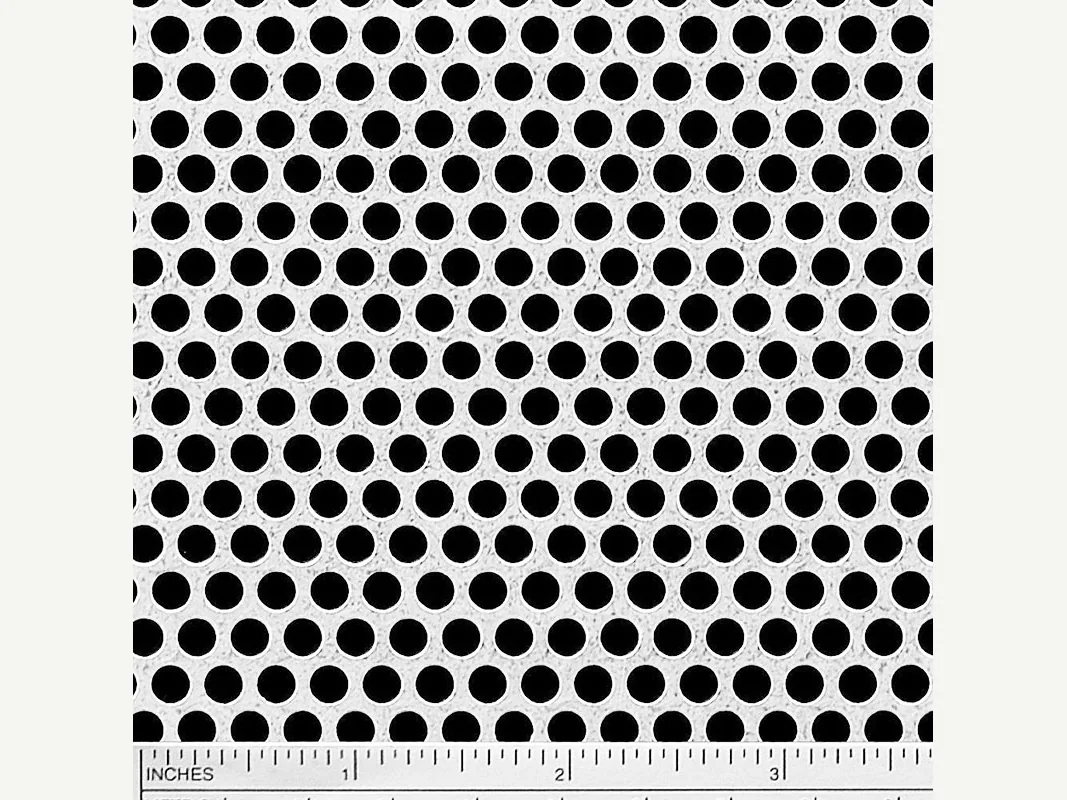
Round, square, slotted and decorative perforations.
Sheet Size
Common formats include 1000×2000, 1200×2400, 1220×2440 and 1250×2500 mm. Widths up to approx. 1829 mm may be available; larger formats require review.
Surface Options
Natural, polished, brushed, powder coated, painted or passivated.
MOQ / Stock
Standard sheets or samples can be quoted in small quantities. Custom tooling or layouts are subject to production MOQ. Finished stock and regular-production availability must be confirmed by inquiry.
ENGINEERING SOLUTIONS
Solutions for Common Perforated Metal Challenges
We review material, hole layout, open area, flatness and installation requirements before production to reduce avoidable fabrication and project risks.
01
Control Panel Distortion
CHALLENGE
High open area, narrow ligaments and unsuitable hole-to-thickness ratios can cause distortion.
AMBER RESPONSE
Review thickness, pitch, margins and punching layout, with flattening or sample confirmation where required.
02
Balance Open Area and Strength
CHALLENGE
Airflow, acoustic or screening targets may conflict with sheet strength and rigidity.
AMBER RESPONSE
Coordinate hole size, pitch, thickness and open area around the project’s actual performance target.
03
Select the Right Grade and Finish
CHALLENGE
The wrong stainless grade or finish can shorten service life in coastal, hygienic or chemical environments.
AMBER RESPONSE
Compare 304, 316 and 316L with the exposure, cleaning method and required surface appearance.
04
Maintain Pattern Alignment Across Panels
CHALLENGE
Misaligned borders, hole patterns or fixing positions become obvious across multiple installed panels.
AMBER RESPONSE
Use coordinated drawings, panel numbering, edge margins and installation references before fabrication.
Have a Drawing or Target Open Area?
Send us the sheet size, hole pattern, thickness and application. Our team will review manufacturability before quotation.
Material, specification and commercial details are confirmed for the actual project.
Why choose Stainless Steel Perforated Metal?
Stainless steel combines controlled hole geometry with corrosion resistance, cleanability and durable metallic appearance. Grades 304 and 304L suit many general duties, while 316 or 316L can be considered for chloride exposure and demanding cleaning environments.
What affects perforation feasibility?
Sheet thickness, hole size, pitch and the remaining ligament between openings are key inputs. Material grade, pattern layout, solid margins and panel dimensions also affect tooling and flatness. Send a drawing so we can review the proposed combination.
Which projects are the best fit for Stainless Steel Perforated Metal?
Facades, ceilings, acoustic panels, HVAC components, filter supports, food equipment and protective guards. It should not be specified from hole diameter alone, and unreviewed 304 should not be treated as a universal coastal grade.
What information is required for a quotation?
Provide material grade, sheet thickness, hole shape and size, pitch, arrangement, open area, margins, sheet dimensions, finish, quantity and service environment.
How are MOQ and stock confirmed?
Standard sheets or samples can be quoted in small quantities. Custom tooling or layouts are subject to production MOQ. Some common 304 or 316 sheet and patterns may be available, but finished stock must be confirmed by inquiry. Final availability and commercial terms are confirmed in the quotation.
LET’S WORK TOGETHER
Send Us Your Stainless Steel Perforated Metal Requirements
Share the grade, thickness, hole pattern, pitch, open area, sheet size, finish, quantity and service environment. Not sure of the specification? Send a photo, sketch or application description, and we can help identify the details needed for a quotation. Send photos or drawings by email to trade@hightopmetalmesh.com.