EXPANDED METAL
Stainless Steel Expanded Metal
An open metal network formed from stainless sheet. Specify the grade, strand geometry and edge detail together for screens and components where corrosion exposure and service conditions matter.

EXPANDED METAL
An open metal network formed from stainless sheet. Specify the grade, strand geometry and edge detail together for screens and components where corrosion exposure and service conditions matter.
PRODUCT OVERVIEW
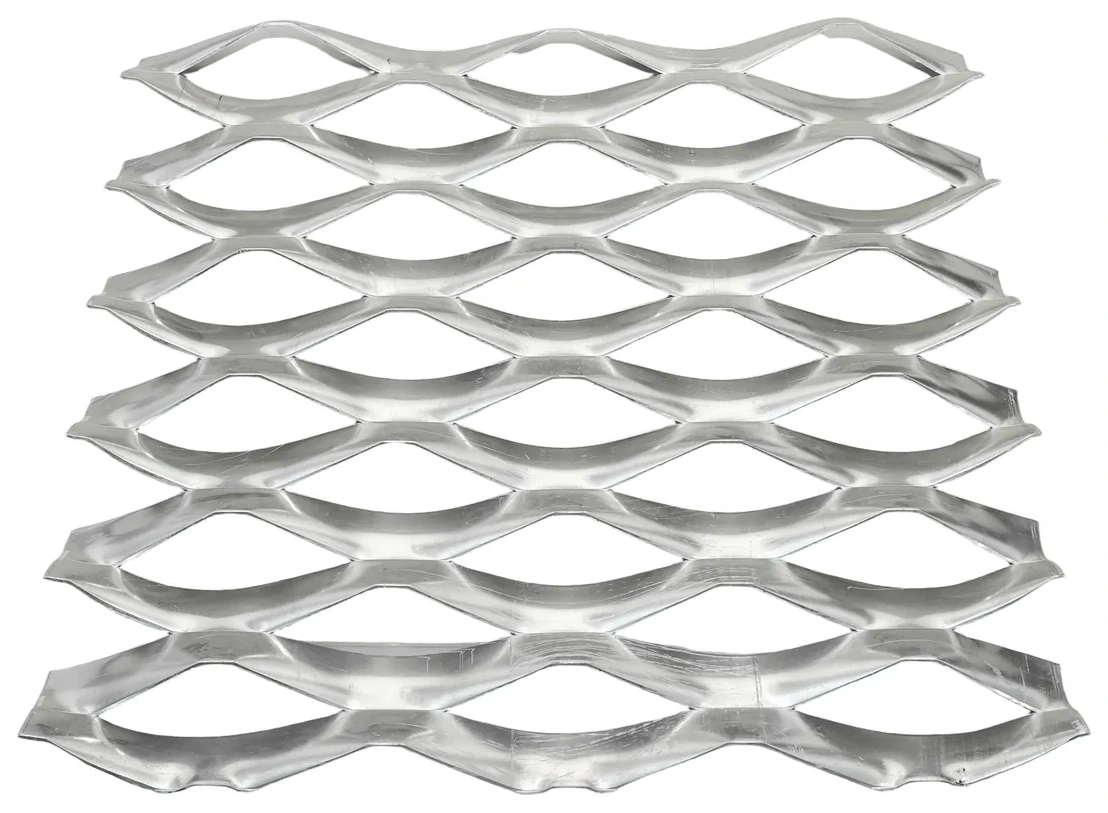
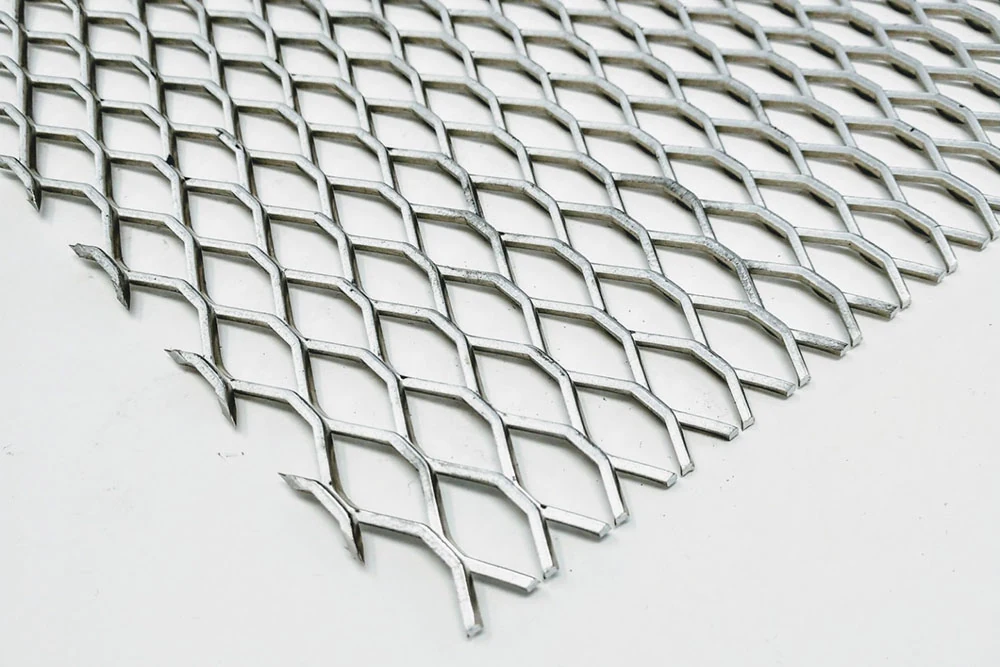
Stainless steel expanded metal is formed by slitting and stretching solid sheet into an open network of integral strands. Unlike woven mesh, it has no intersecting wires or welded joints within the expanded pattern. Grade, starting sheet thickness, strand width, SWD, LWD, opening direction and the raised or flattened profile should therefore be specified as one coordinated mesh geometry.
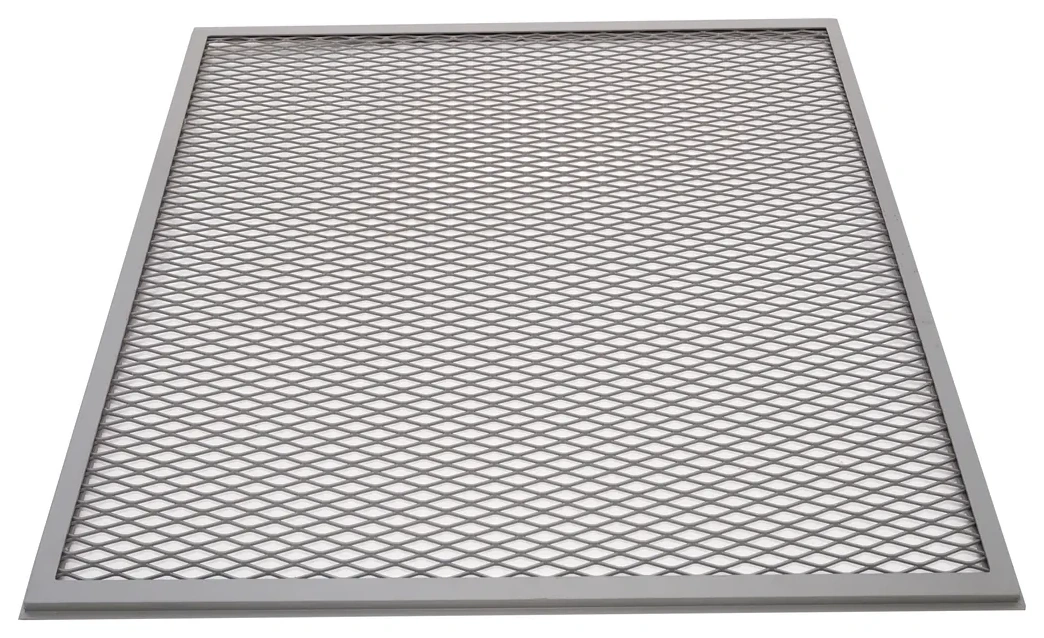
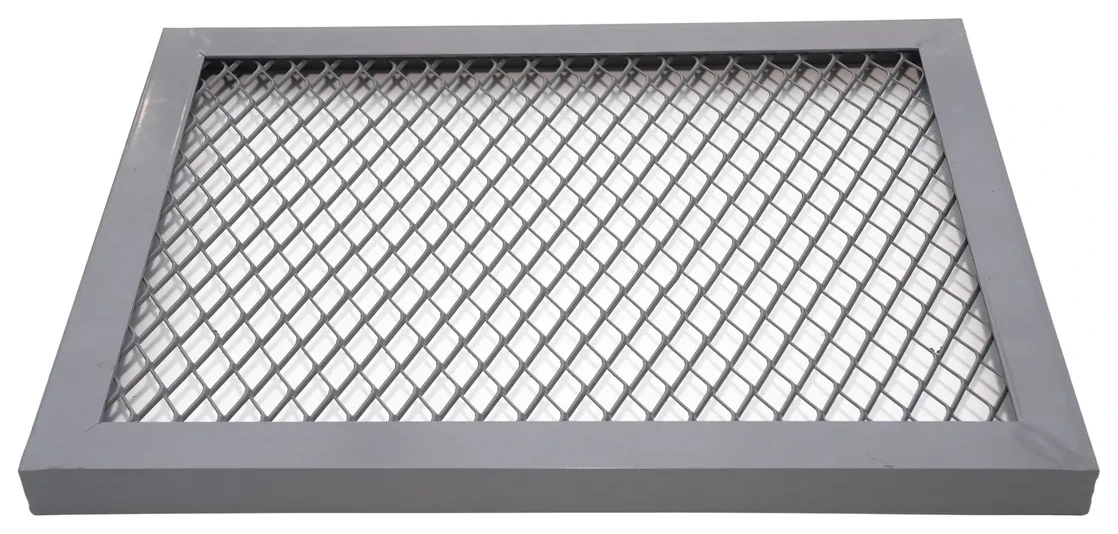
Common material choices include 304, 316 and 316L, with the final grade selected around exposure, cleaning and service conditions. Typical inquiries include ventilation covers, equipment screens, protective panels and industrial support components. Raised and flattened mesh are not automatically interchangeable, while walkway, structural or safety-related applications require separate review of loads, spans, supports, edges and the complete installed assembly.

MATERIAL SELECTION
An integral network provides an open surface without woven wire intersections. Grade selection lets the material review respond to the service environment.
Stainless steel is not immune to corrosion. Chlorides, deposits and cleaning conditions require review; grade alone does not establish a load rating or a safe walking surface.
Ventilated covers, equipment screens and support components. Hygiene-sensitive and structural uses need their own cleanability, edge and assembly assessment.
TECHNICAL INFORMATION
Final dimensions and compatible combinations are confirmed against the approved drawing or mesh specification before production.
Reference grades: 304, 316 and 316L. Confirm the ordered grade and sheet condition.
State starting sheet thickness and strand width; do not confuse either with overall mesh thickness.
Specify SWD and LWD, and whether dimensions refer to pitch or clear opening.
Choose raised or flattened and provide finished dimensions, tolerances and mesh orientation.
Define deburring, edge trimming and any cleaning or surface-treatment requirement.
Common specifications are regularly stocked, while non-standard sizes, materials and finishes can be produced to order. Final quantities and delivery schedules are confirmed with the quotation.
FROM SHEET TO FINISHED EXPANDED METAL
Agree the sheet grade, strands and opening orientation.
Set the required pitch and profile for the approved mesh.
Review flattening, trimming and edge treatment where specified.
Verify dimensions and agreed surface condition before packing.
RELATED PRODUCTS
Zinc-protected steel mesh for guarding, access and building uses.
View material-specific specifications and selection guidance for this product.
FREQUENTLY ASKED QUESTIONS
Material, specification and commercial details are confirmed for the actual project.
No. Exposure, deposits, cleaning and the full component design must be considered before selecting the grade.
No. Profile and overall thickness differ; confirm the required geometry and how it fits the assembly.
Only after the required loads, span, supports and relevant assembly criteria are reviewed. Standard sheet descriptions do not establish capacity.
The long and short mesh directions affect the appearance, cut layout and how the panel is supported.
Include alloy, profile, strand width, starting thickness, opening dimensions, edge detail and quantity.

LET’S WORK TOGETHER
Share the service environment and the geometry your assembly needs. Not sure of the specification? Send a photo, sketch or application description, and we can help identify the details needed for a quotation. Send photos or drawings by email to trade@hightopmetalmesh.com.