EXPANDED METAL
Brass Expanded Metal
A brass surface with depth, rhythm and openness. Coordinate mesh direction, profile and edge detailing to give an interior screen a deliberate architectural character.

EXPANDED METAL
A brass surface with depth, rhythm and openness. Coordinate mesh direction, profile and edge detailing to give an interior screen a deliberate architectural character.
PRODUCT OVERVIEW
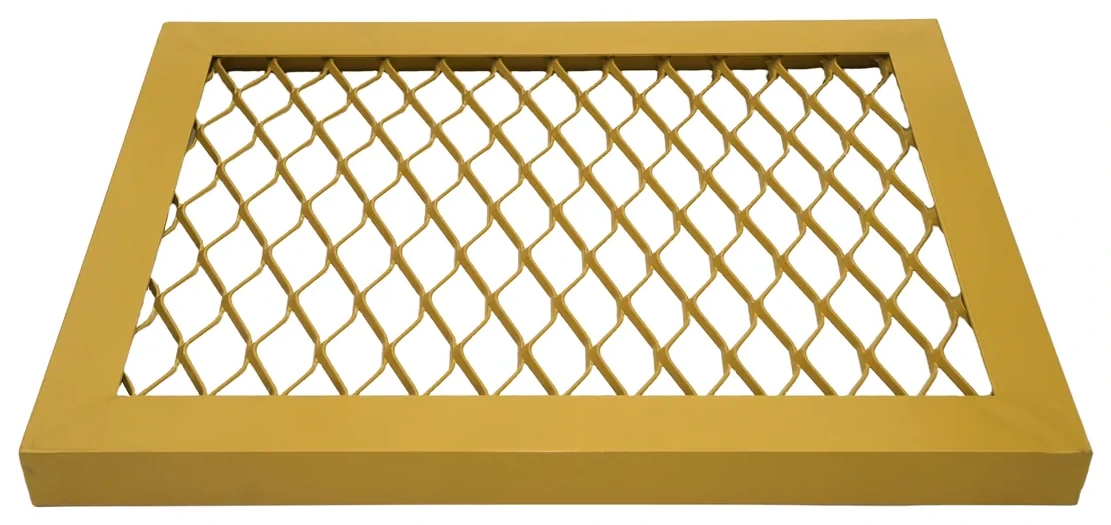
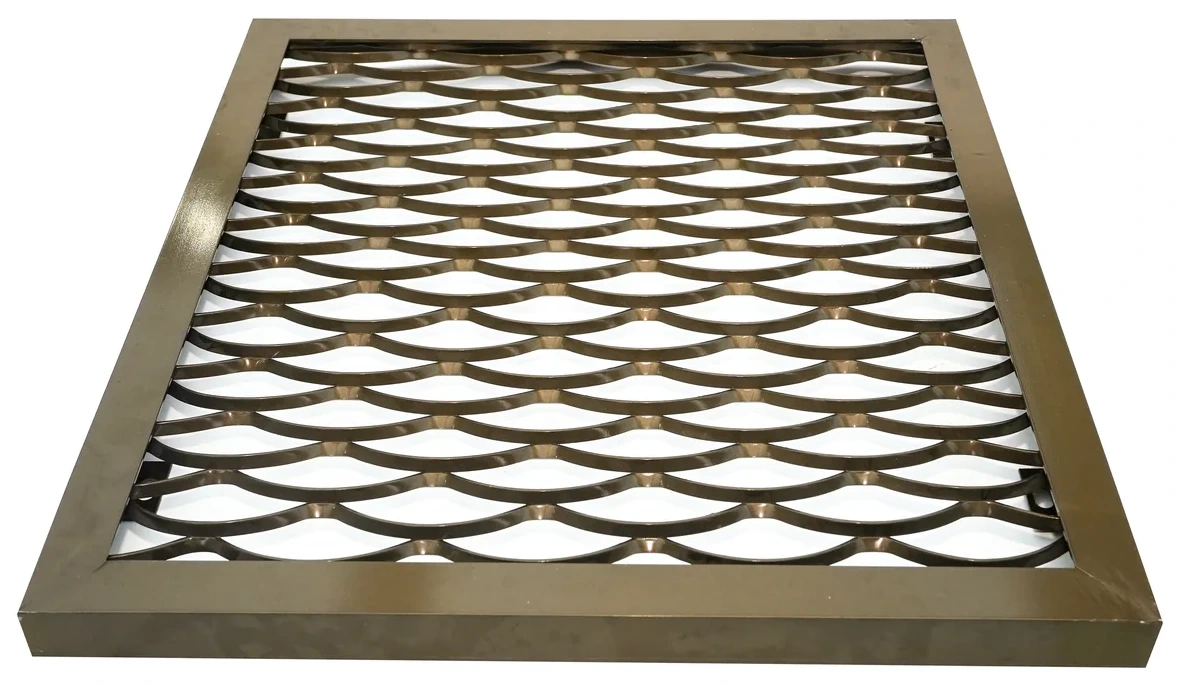
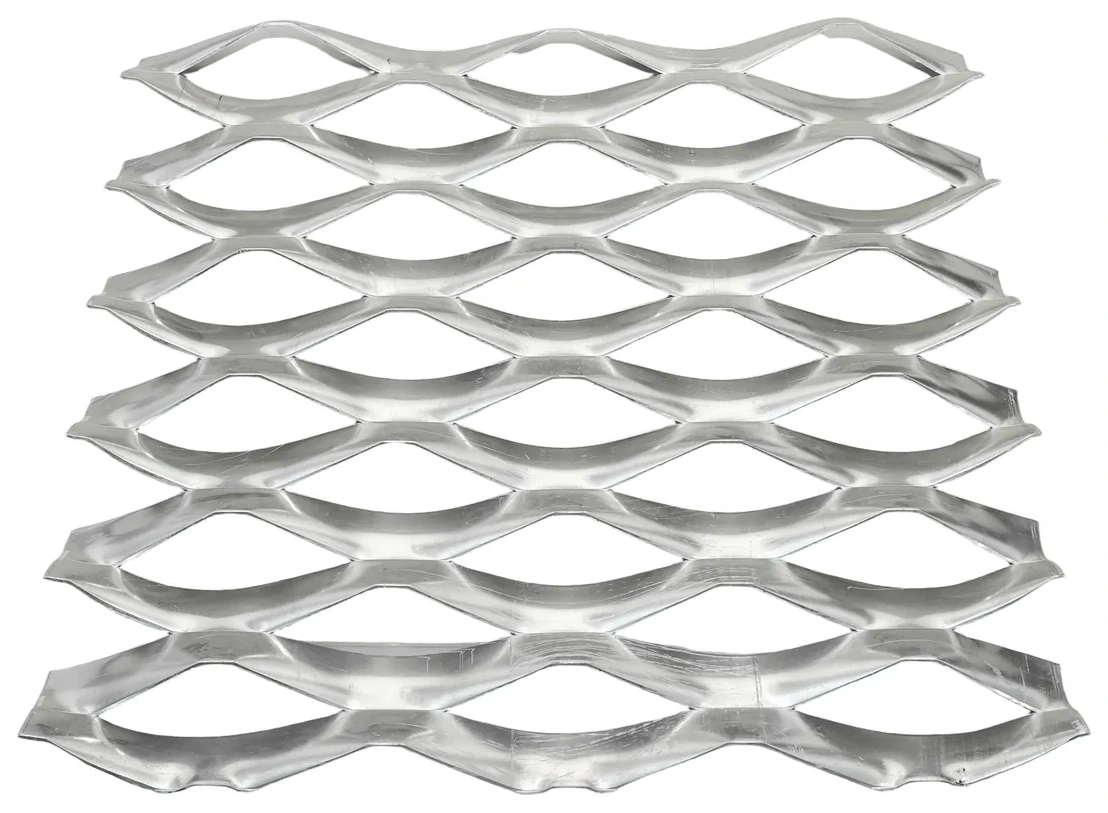
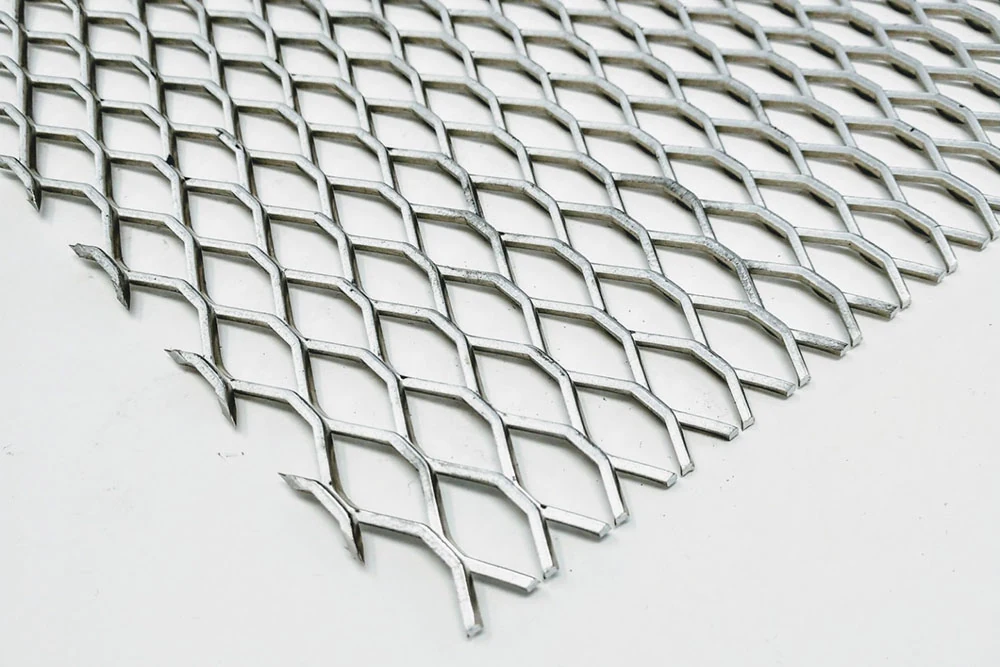
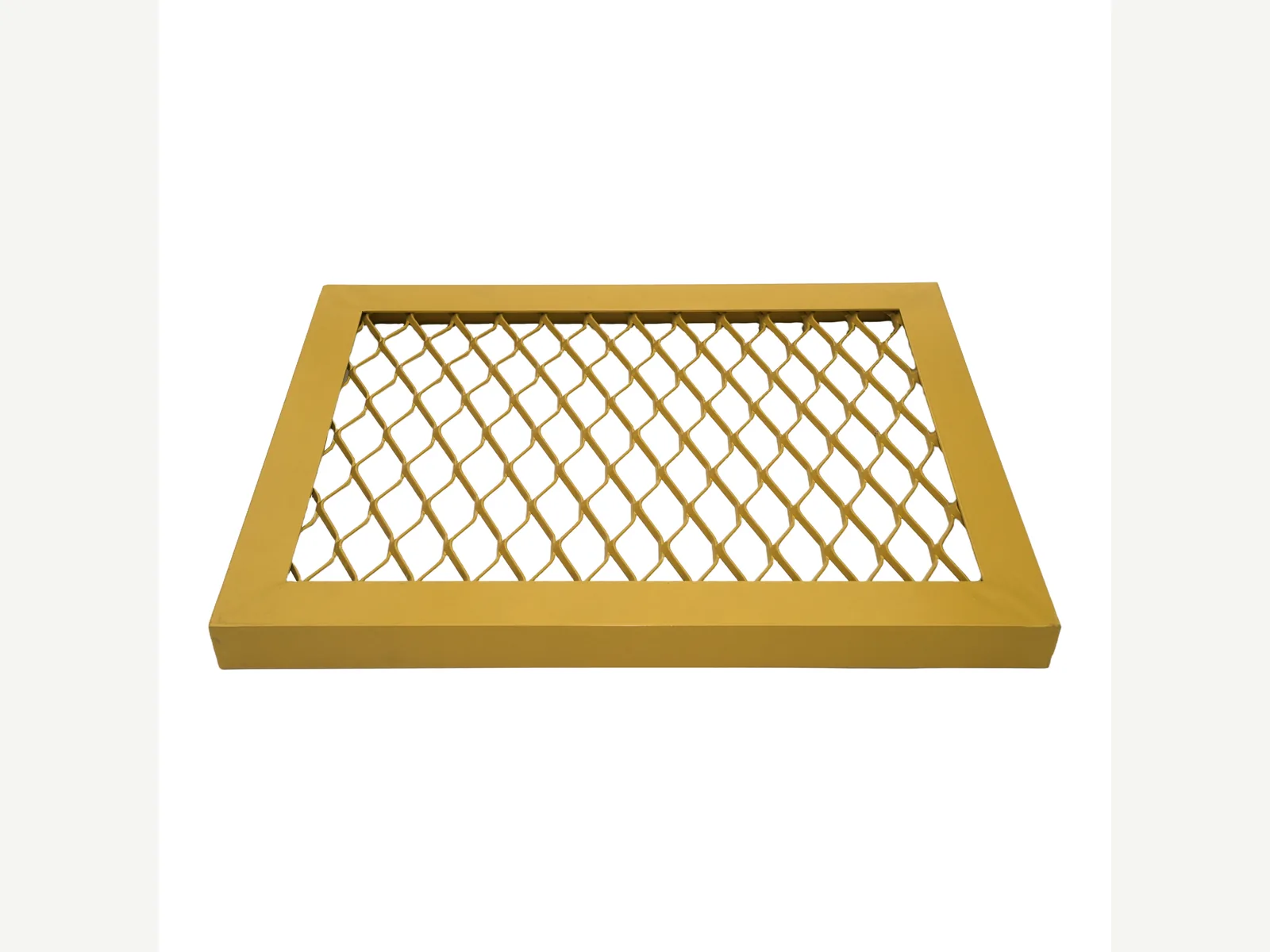
Brass expanded metal combines a warm golden tone with the depth and directional character created by an integral strand network. The brass grade, starting thickness, strand width, SWD, LWD and mesh orientation should be coordinated with the required raised or flattened profile. Viewing angle, backing color and lighting can significantly change how open, dense or reflective the finished screen appears.
Typical applications include interior partitions, cabinet fronts, ceiling features, ventilation panels and display backdrops where the metal texture is part of the design. Visible edges, frames, fixing points and acceptable finish variation should be defined before production. Brass composition and environmental exposure also require review, and decorative expanded mesh should not be presented as a verified load-bearing or safety component without an assessment of the complete assembly.

MATERIAL SELECTION
A shaped strand network creates depth without requiring a separate woven pattern. Brass tone can connect the screen to other warm-metal details.
Specify alloy, finish variation and edge protection. A decorative screen is not automatically suitable for load-bearing use, and environmental compatibility needs review.
Interior partitions, cabinet fronts, ceiling features and display backdrops where texture is part of the design. Check access and edge contact wherever people can reach the mesh.
TECHNICAL INFORMATION
Final dimensions and compatible combinations are confirmed against the approved drawing or mesh specification before production.
Provide the alloy designation and sheet condition; confirm the intended finish response.
Specify strand width, starting thickness and the visual density required.
State SWD/LWD and show the direction on every panel drawing.
Confirm raised or flattened form, panel dimensions and perimeter details.
Use an appearance sample to agree tone, texture and acceptable variation.
Common specifications are regularly stocked, while non-standard sizes, materials and finishes can be produced to order. Final quantities and delivery schedules are confirmed with the quotation.
FROM SHEET TO FINISHED EXPANDED METAL
Agree direction, backing and the main viewing angle.
Set strand geometry and the required raised or flattened form.
Review frames, borders and fixing details.
Compare the finish with the agreed sample and protect it for delivery.
RELATED PRODUCTS
FREQUENTLY ASKED QUESTIONS
Material, specification and commercial details are confirmed for the actual project.
Strand orientation changes the sightline through the openings. Review the installed direction, backing and lighting before approval.
Choose according to the desired depth, touch points and assembly detail; compare samples rather than relying on the name alone.
Only when the complete barrier design, openings, fixings and applicable requirements have been assessed. A decorative designation is not a safety rating.
Not necessarily. Confirm whether natural aging or a maintained finish is intended.
Specify mesh direction, panel sequence, visible faces and finish acceptance together.

LET’S WORK TOGETHER
Share the elevation, mesh direction and finish reference for review. Not sure of the specification? Send a photo, sketch or application description, and we can help identify the details needed for a quotation. Send photos or drawings by email to trade@hightopmetalmesh.com.