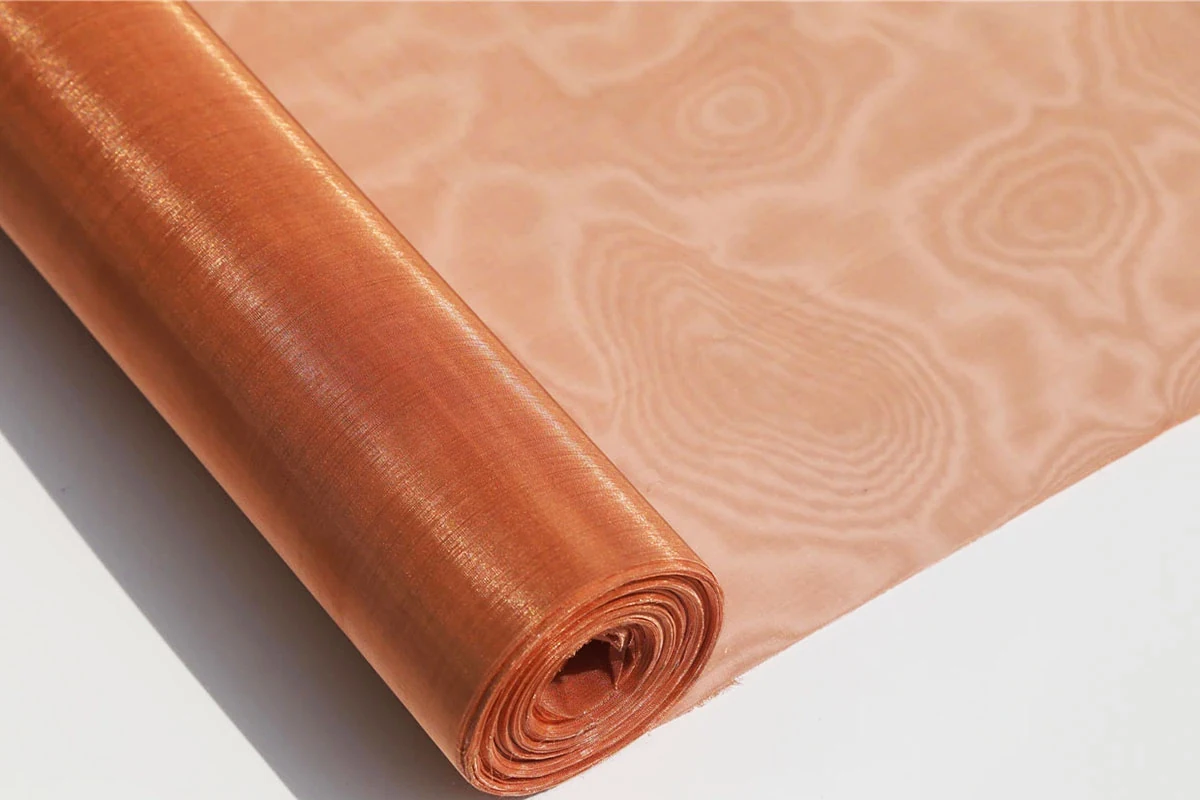
Mesh / Aperture RangeApprox. 1–635 mesh; combinations confirmed by specification
Wire DiameterApprox. 0.02–3 mm
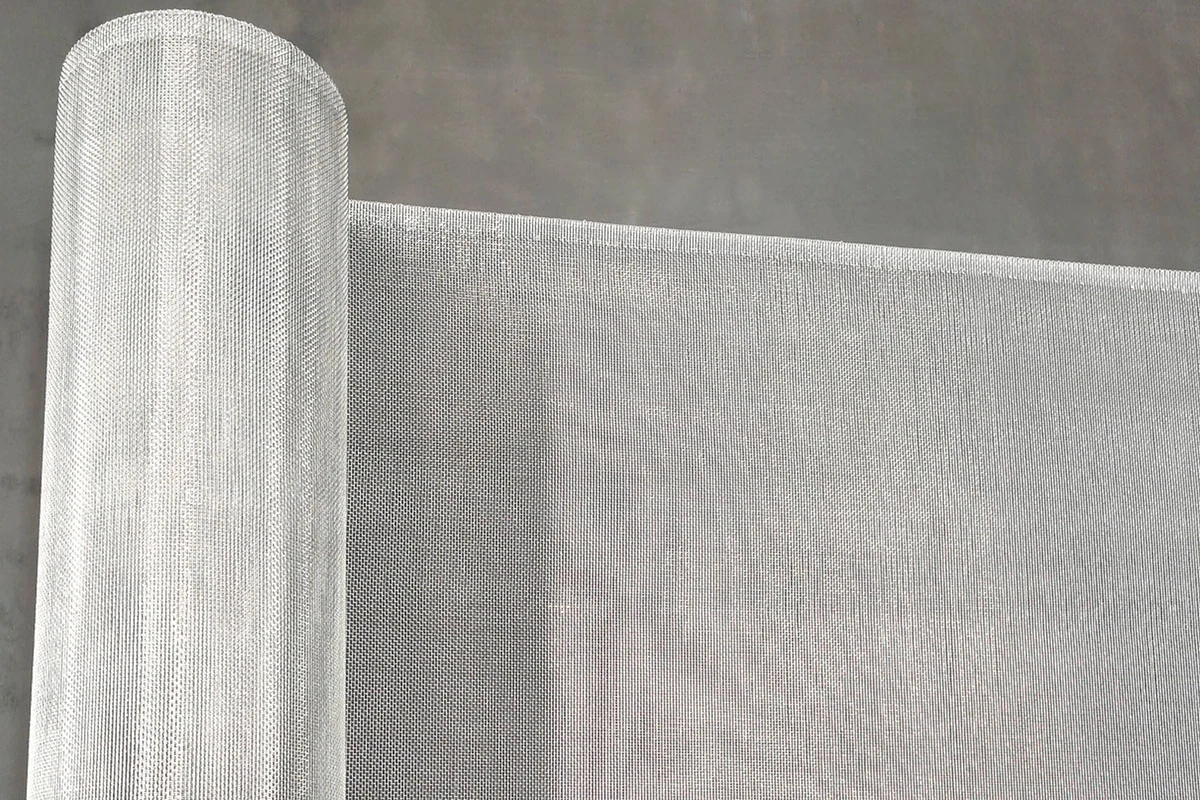
Roll Size / Edge OptionsApprox. 0.6–2.0 m width; roll, cut and fabricated formats
PRODUCT OVERVIEW
Precision Woven Mesh for Filtration, Screening and Architecture
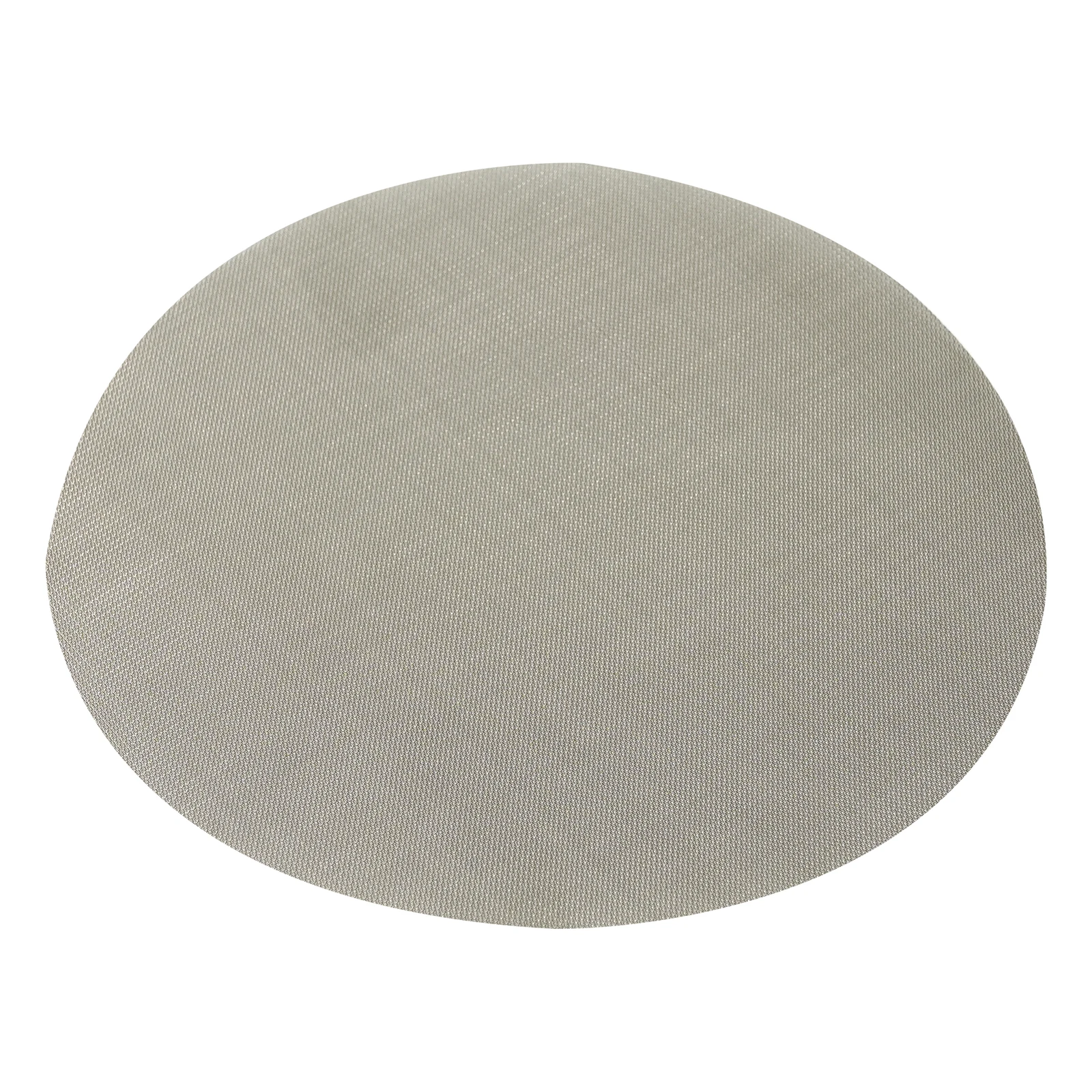
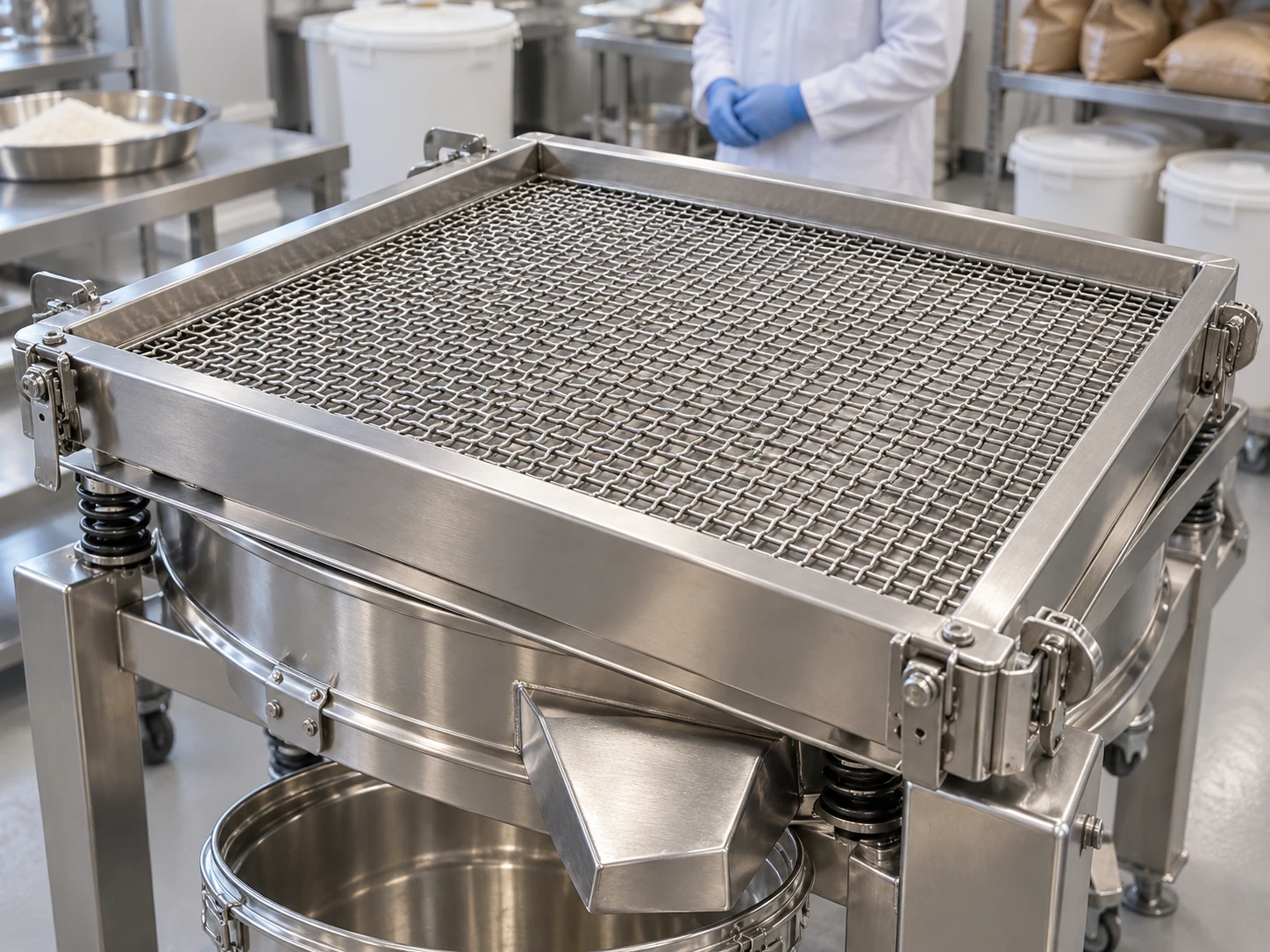
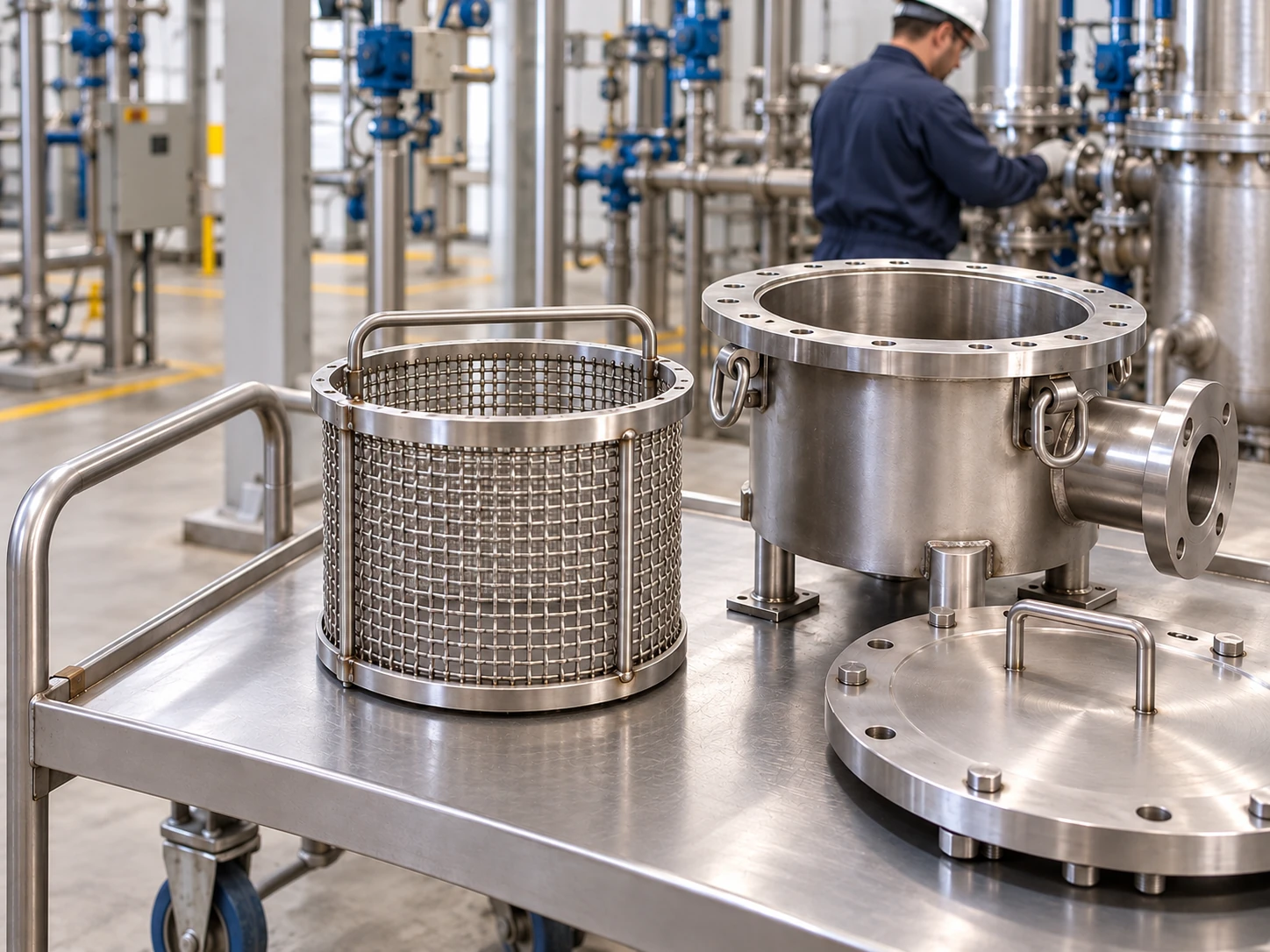
Stainless steel offers a practical combination of corrosion resistance, wire strength and stable opening geometry across coarse screens, protective mesh, fine filtration and Dutch weave. Grades 304 and 304L suit many general duties, while 316 or 316L can be considered for chloride exposure, hygiene and demanding cleaning environments.
Compared with aluminum, copper, brass and galvanized steel, stainless steel generally supports a wider range of demanding filtration and process duties. Mesh count, wire diameter, aperture, open area and weave structure must be reviewed together before production.
Aperture Control
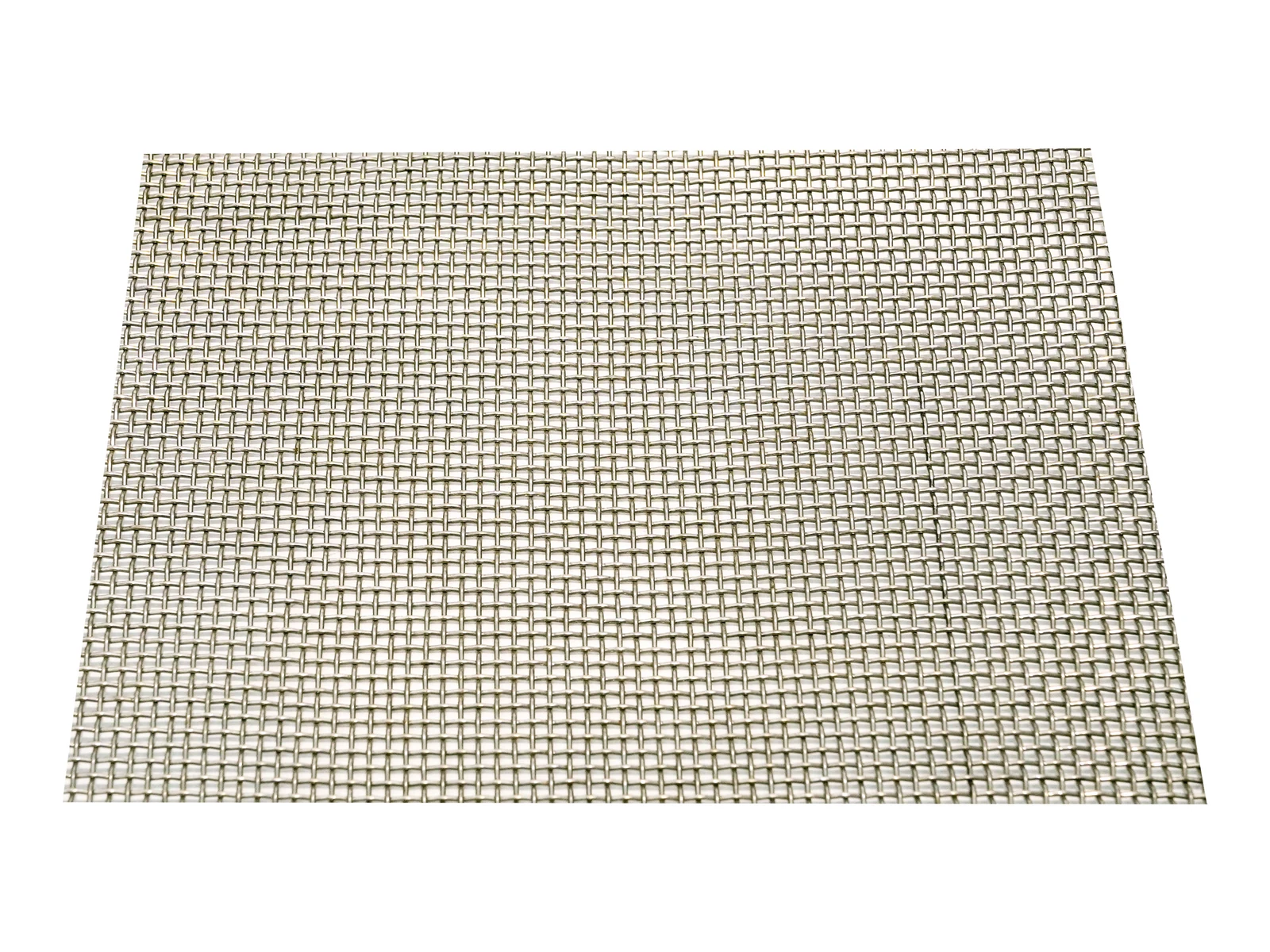
Mesh count and wire diameter are coordinated to the target opening and open area.
Structural Stability
Weave structure and wire tension support consistent openings and roll quality.
Corrosion Resistance
Stainless grades can be matched to general, hygienic and more demanding environments.
MATERIAL SELECTION
Why Specify Stainless Steel Woven Wire Mesh?
Key Advantages
Corrosion resistance, wire strength and stable opening geometry across coarse screens and fine filtration.
304, 304L, 316 and 316L options for different exposure, hygiene and cleaning requirements.
Plain, twill and Dutch weave structures support varied screening, retention and flow duties.
Considerations
Mesh count cannot be selected independently of wire diameter, aperture, open area and service load.
Very fine mesh is sensitive to weaving tension, flatness, edge damage and handling.
316L and specialized Dutch constructions cost more and require precise specification confirmation.
Consider aluminum for lightweight screens, copper for conductivity, brass for appearance or galvanized steel for economical general screening.
Best Fit Uses
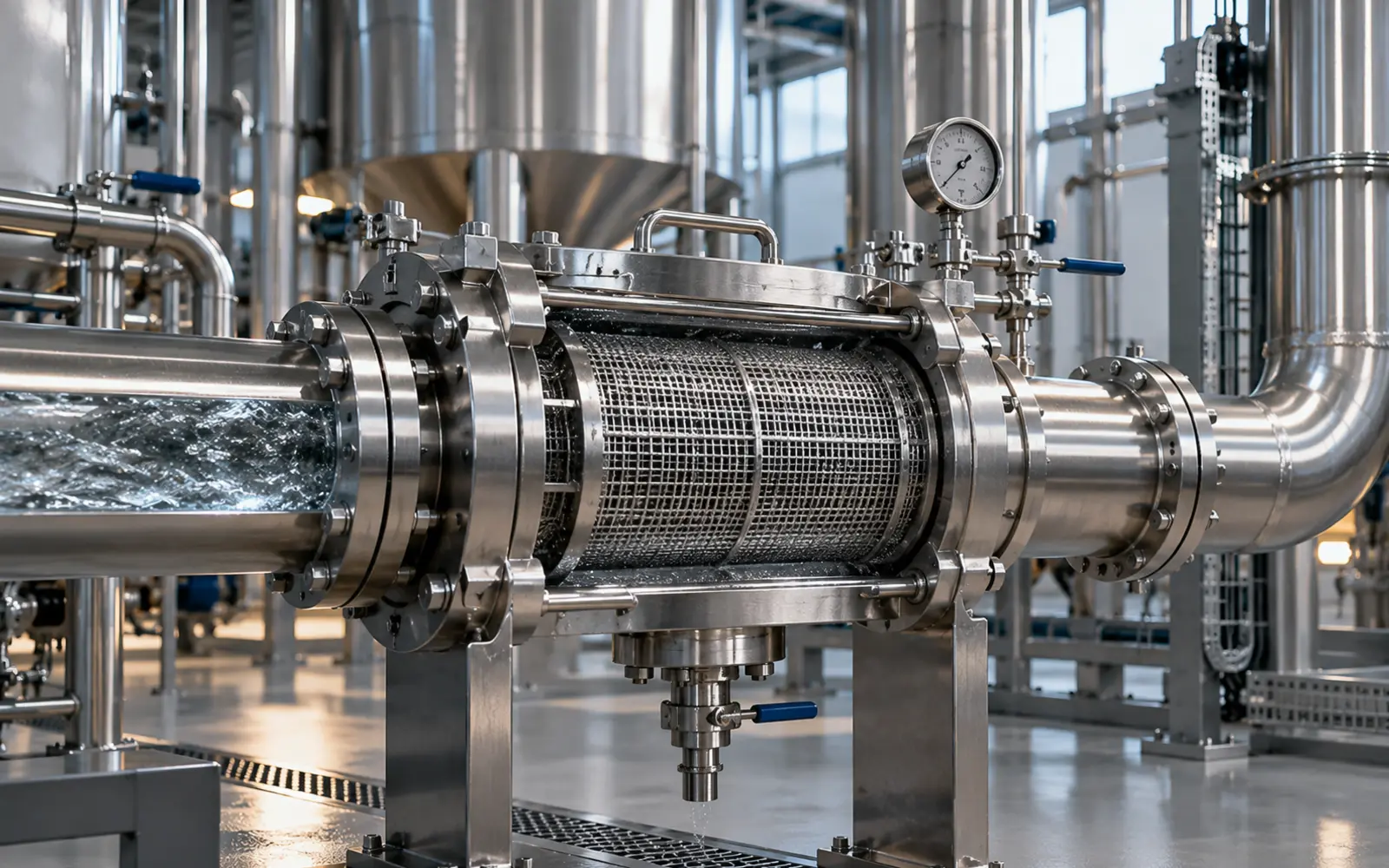
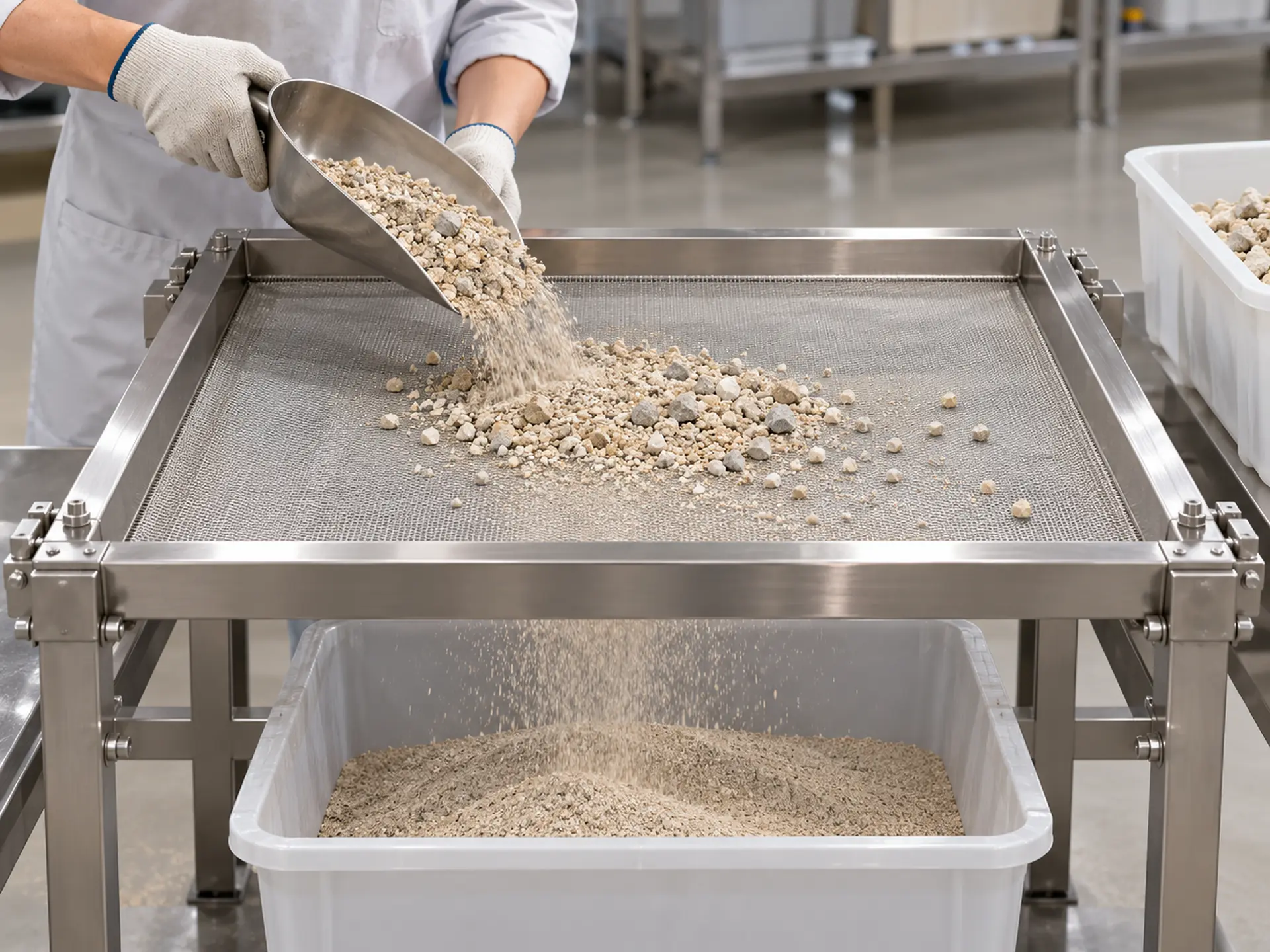
Industrial filtration and process screening
Food and pharmaceutical mesh
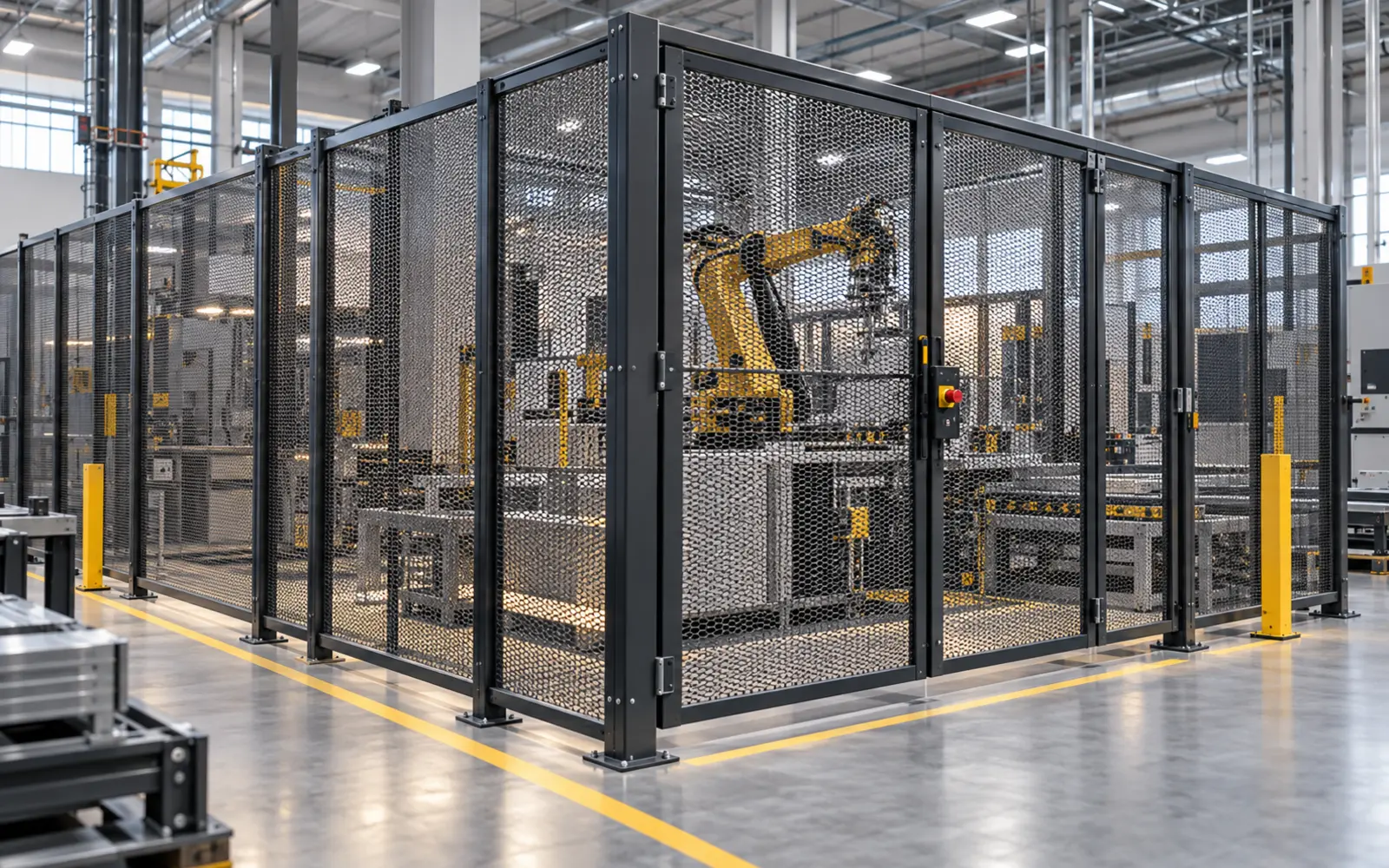
Safety guards and insect screens
Precision separation and architectural applications
TECHNICAL INFORMATION
Specifications & Custom Range
Review grade, weave, mesh count, wire diameter and aperture together. Compatible combinations are confirmed against the approved mesh specification before production.
Material & Grade
304, 304L, 316 and 316L. 310, 904L and duplex grades are available on request.
Mesh Count & Aperture
Typical reference range is approximately 1–635 mesh. Available aperture and open area depend on the selected wire diameter and weave.
Wire Diameter
Typical reference range is approximately 0.02–3 mm, subject to grade, mesh count and weave compatibility.
Weave Structure
Plain, twill, plain Dutch, twill Dutch, reverse Dutch and crimped weave. Available combinations depend on grade, wire diameter and mesh count.
Roll Size & Edge
Typical width is approximately 0.6–2.0 m. Common roll length is 30 m, with approximately 10–100 m available by specification. Cut pieces and fabricated formats depend on dimensions.
MOQ / Stock
Common specifications are normally quoted from one roll. Some common 304 and 316 specifications may be available; high mesh counts and special weaves are produced to order.
ENGINEERING SOLUTIONS
Solutions for Common Stainless Steel Woven Mesh Challenges
We review mesh count, wire diameter, aperture, weave structure, roll quality, grade and edge requirements before production to reduce avoidable selection and fabrication risks.
01
Balance Mesh Count, Aperture and Strength
CHALLENGE
Aperture, open area and mechanical strength change together as mesh count and wire diameter change.
AMBER RESPONSE
Review the target opening, retention requirement, open area, wire diameter and service load before confirming the mesh combination.
02
Select the Right Weave Structure
CHALLENGE
Plain, twill and Dutch weaves differ in stability, flow, particle retention, forming behavior and cleaning.
AMBER RESPONSE
Select the weave around the filtration target, pressure conditions, required flexibility and downstream fabrication.
03
Control Flatness, Tension and Roll Quality
CHALLENGE
Uneven tension, edge waves or telescoping rolls can complicate cutting, framing and automated processing.
AMBER RESPONSE
Confirm roll width, length, flatness expectations, edge condition, inspection points and packaging before production.
04
Specify Grade, Edge and Fabrication Details
CHALLENGE
The wrong grade, unfinished edges or unsuitable fixing details may cause corrosion, fraying or installation damage.
AMBER RESPONSE
Match the stainless grade to the environment and specify edge treatment, framed panels, forming and fixing requirements.
Have a Mesh Specification or Target Aperture?
Send us the application, mesh count, wire diameter, aperture, weave, stainless grade, roll width and edge requirement. Our team will review manufacturability before quotation.
Material, specification and commercial details are confirmed for the actual project.
Why choose Stainless Steel Woven Wire Mesh?
Stainless steel offers the broadest practical combination of corrosion resistance, wire strength and stable opening geometry across coarse screens, protective mesh, fine filtration and Dutch weave.
When should 316 or 316L mesh be selected?
Consider 316 or 316L when the exposure or cleaning conditions require a grade review beyond 304. Specify the process medium, chloride exposure, temperature, cleaning method and any welding requirements. The final grade should be selected for the complete service conditions.
Which projects are the best fit for Stainless Steel Woven Wire Mesh?
Filtration, screening, food and pharmaceutical processing, chemicals, mining, insect screens, safety guards and precision separation. No mesh count should be selected independently of wire diameter, aperture, open area and service duty.
What information is required for a quotation?
Provide material grade, weave type, mesh count or aperture, wire diameter, open area, roll or sheet dimensions, edge requirement, quantity and service environment.
How are MOQ and stock confirmed?
Common specifications are normally quoted from one roll. Cut pieces and fabricated formats depend on dimensions and quantity. Some common 304 and 316 specifications may be available. High mesh counts and special weaves are produced to order. Final availability and commercial terms are confirmed in the quotation.
LET’S WORK TOGETHER
Send Us Your Stainless Steel Woven Mesh Requirements
Share the grade, weave type, mesh count, wire diameter, opening size, delivery dimensions, edge requirement, quantity and service environment. Not sure of the specification? Send a photo, sketch or application description, and we can help identify the details needed for a quotation. Send photos or drawings by email to trade@hightopmetalmesh.com.