
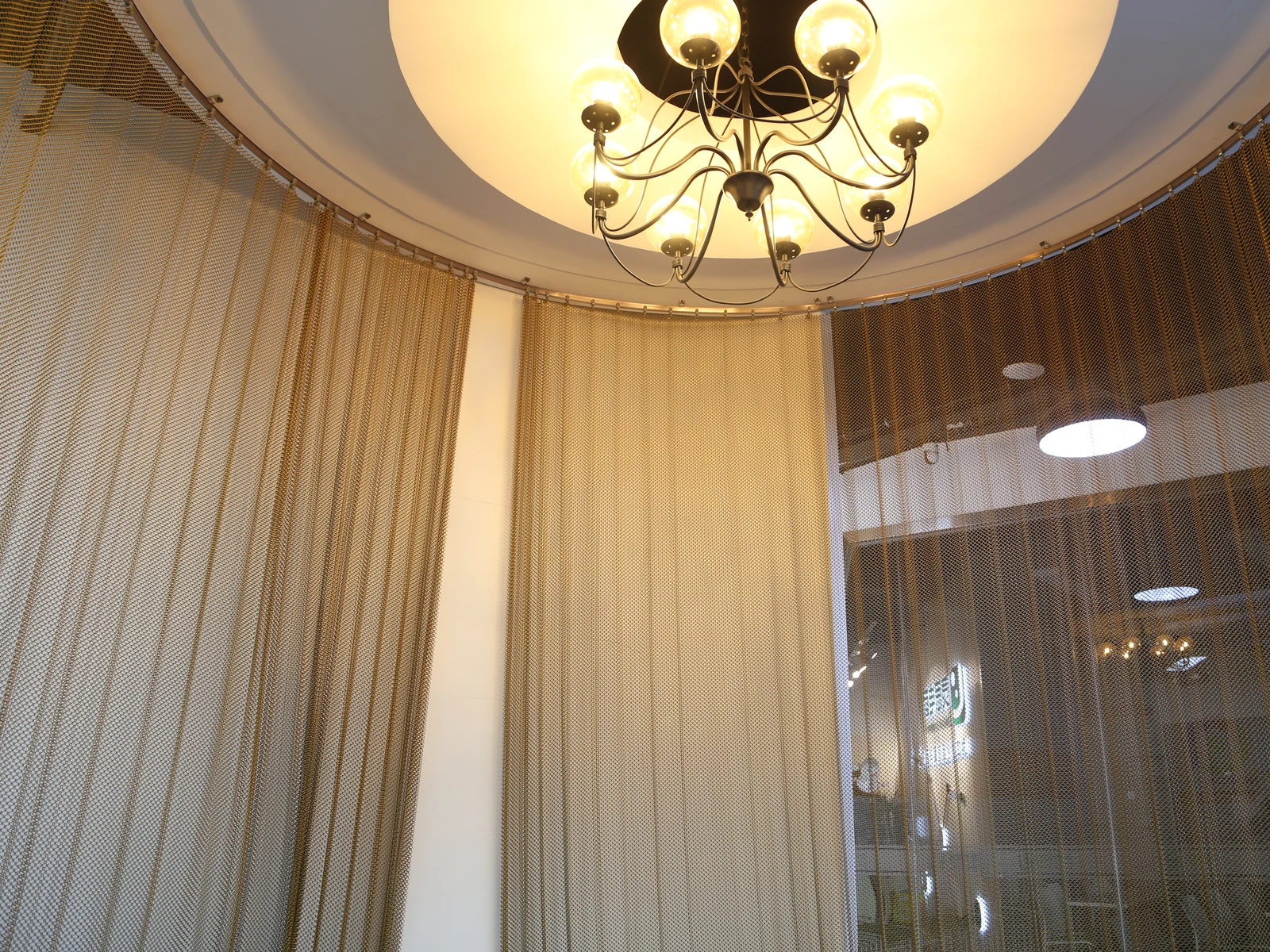
METAL COIL DRAPERY
Coil Drapery Interior Partitions
Suspended coil drapery forms a continuous curtain around an interior area.
DECORATIVE METAL CURTAINS
Two distinct ways to shape a space: linked metal chain curtains with individual hanging movement, and interlocked metal coil drapery with a flexible, continuous surface.
Linked chain strands or interlocked coil mesh.
Free-moving links versus a flexible mesh sheet.
Confirm the support and movement for each system.
Structure, dimensions and finish reviewed together.
PRODUCT OVERVIEW
Metal chain curtains use connected links or hanging strands to create a directional surface with visible individual movement. Metal coil drapery uses interlocked wire coils to form a continuous, flexible mesh sheet that can hang with controlled folds.
They can both shape light and divide space, but link geometry, suspension, fullness and edge requirements are not interchangeable. Identify the desired structure first, then confirm dimensions, finish and installation details for the project.
CONSTRUCTION 01 / LINKED STRANDS
Linked metal elements hang as individual strands or connected runs. The visible links, vertical drop and free movement give the curtain a distinctive directional character.
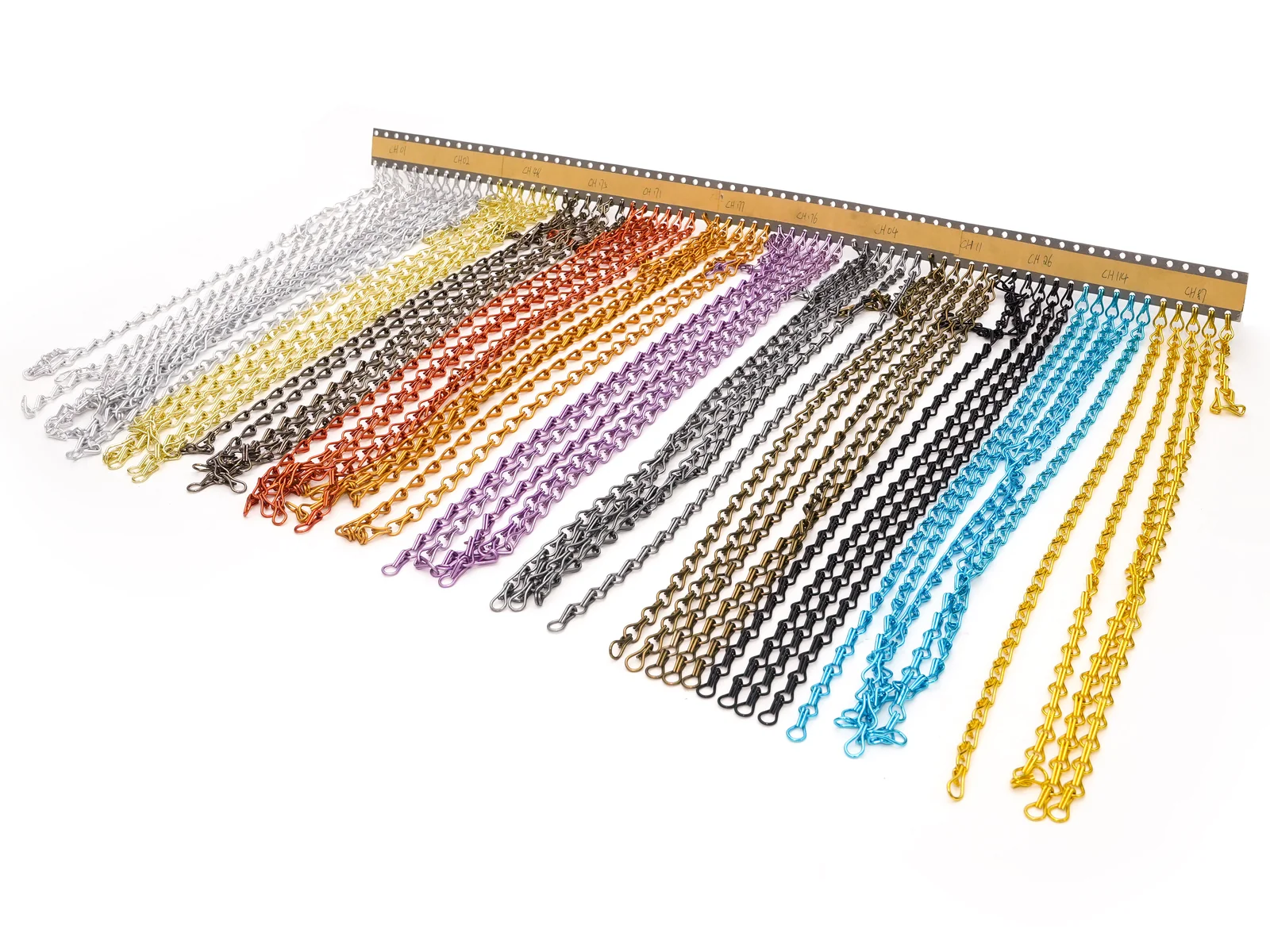
Separate linked strands show the chain construction and spacing.
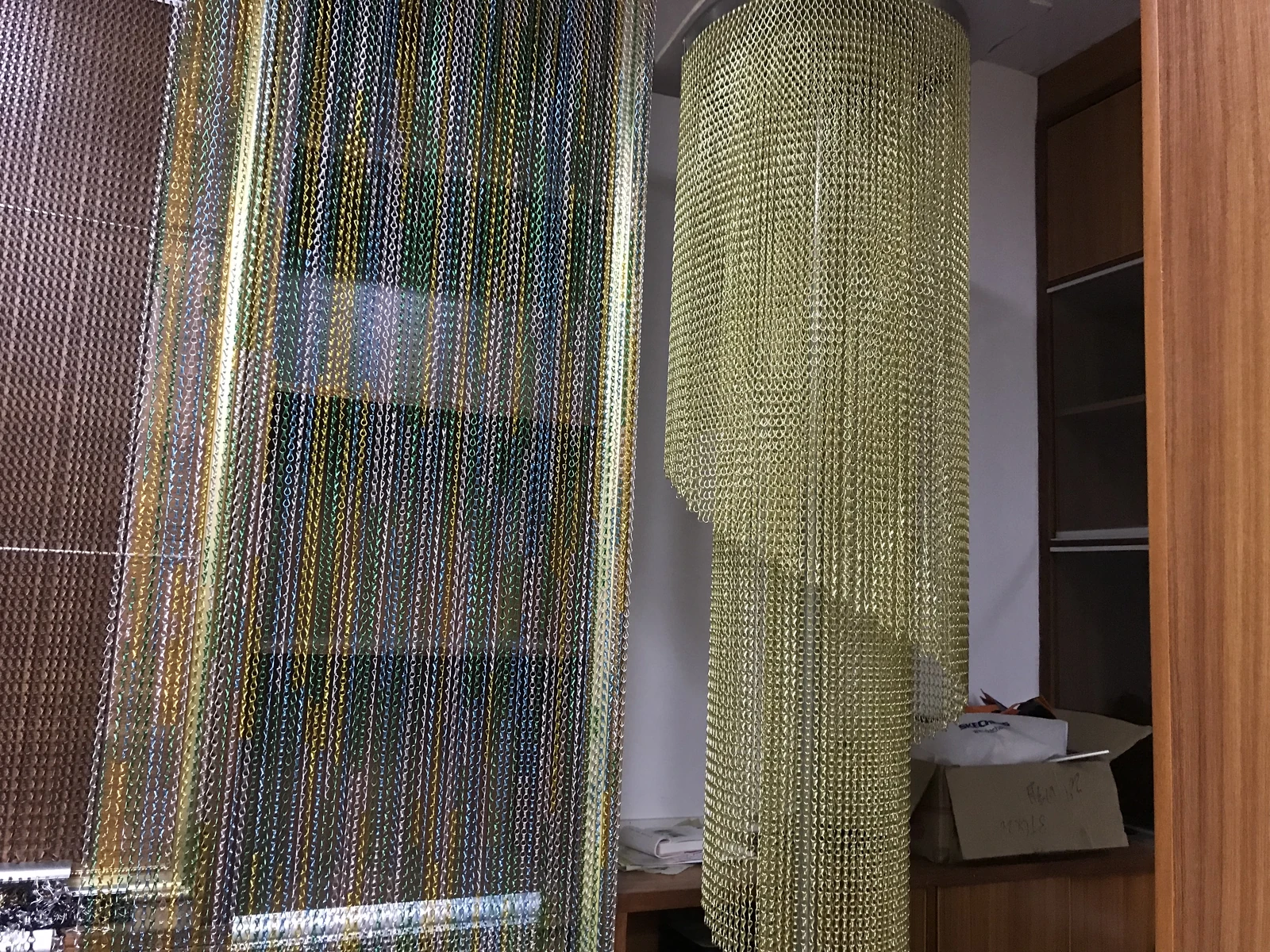
Linked chain strands are shown in hanging arrangements with different visible colors.
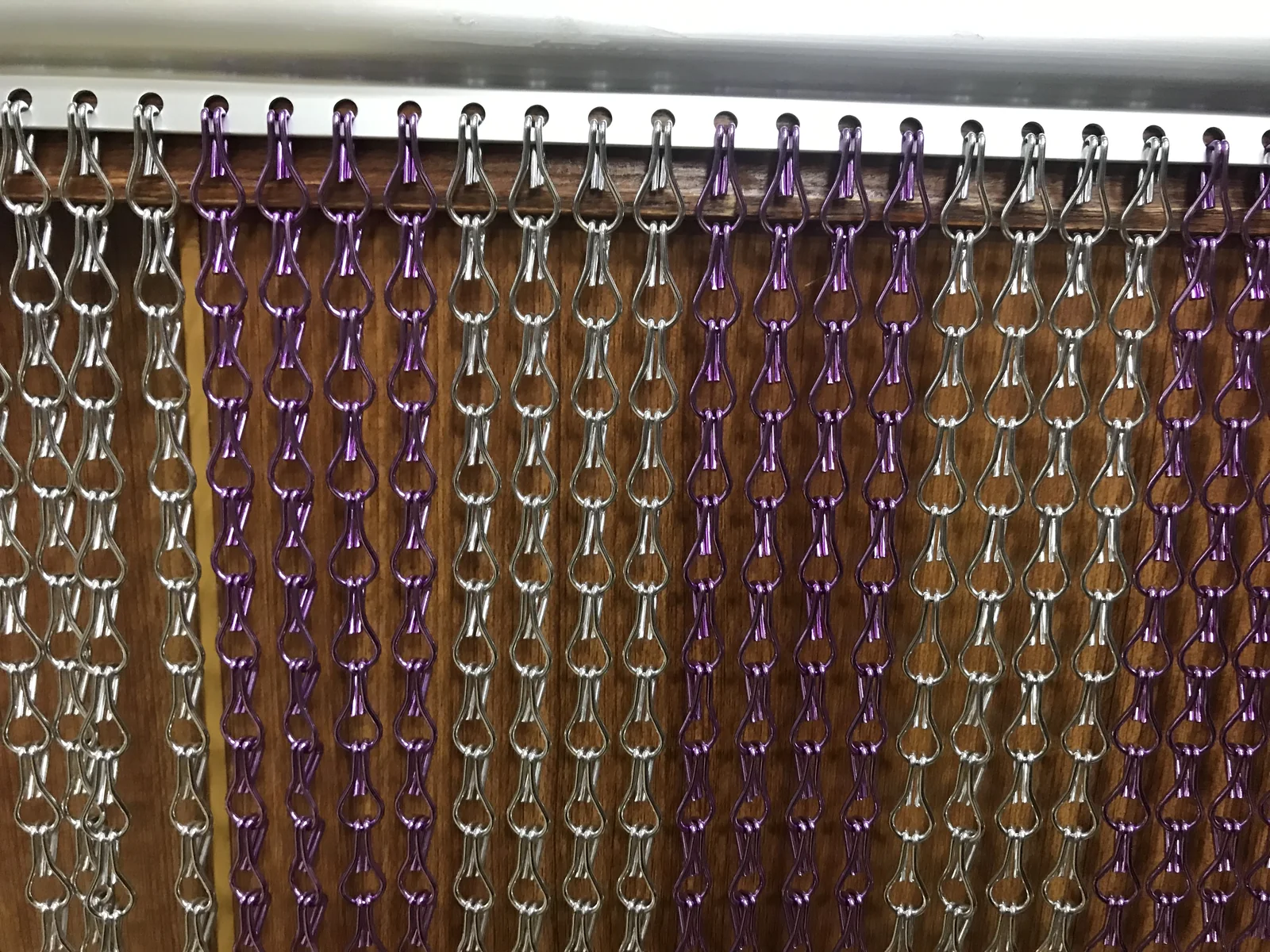
Chain strands are attached along a horizontal suspension bar.
Confirm the actual link profile, spacing, strand length and top support. The hanging rail or carrier and any bottom restraint must suit the opening and intended movement.
Consider linked screens for circulation openings, retail displays, lobby dividers and feature installations where individual strand movement is desirable. Review access and handling requirements before specifying.
CONSTRUCTION 02 / FLEXIBLE MESH SHEET
Interlocking wire coils create a continuous, flexible curtain face. Coil orientation, aperture, fullness and track behavior determine the finished drape.
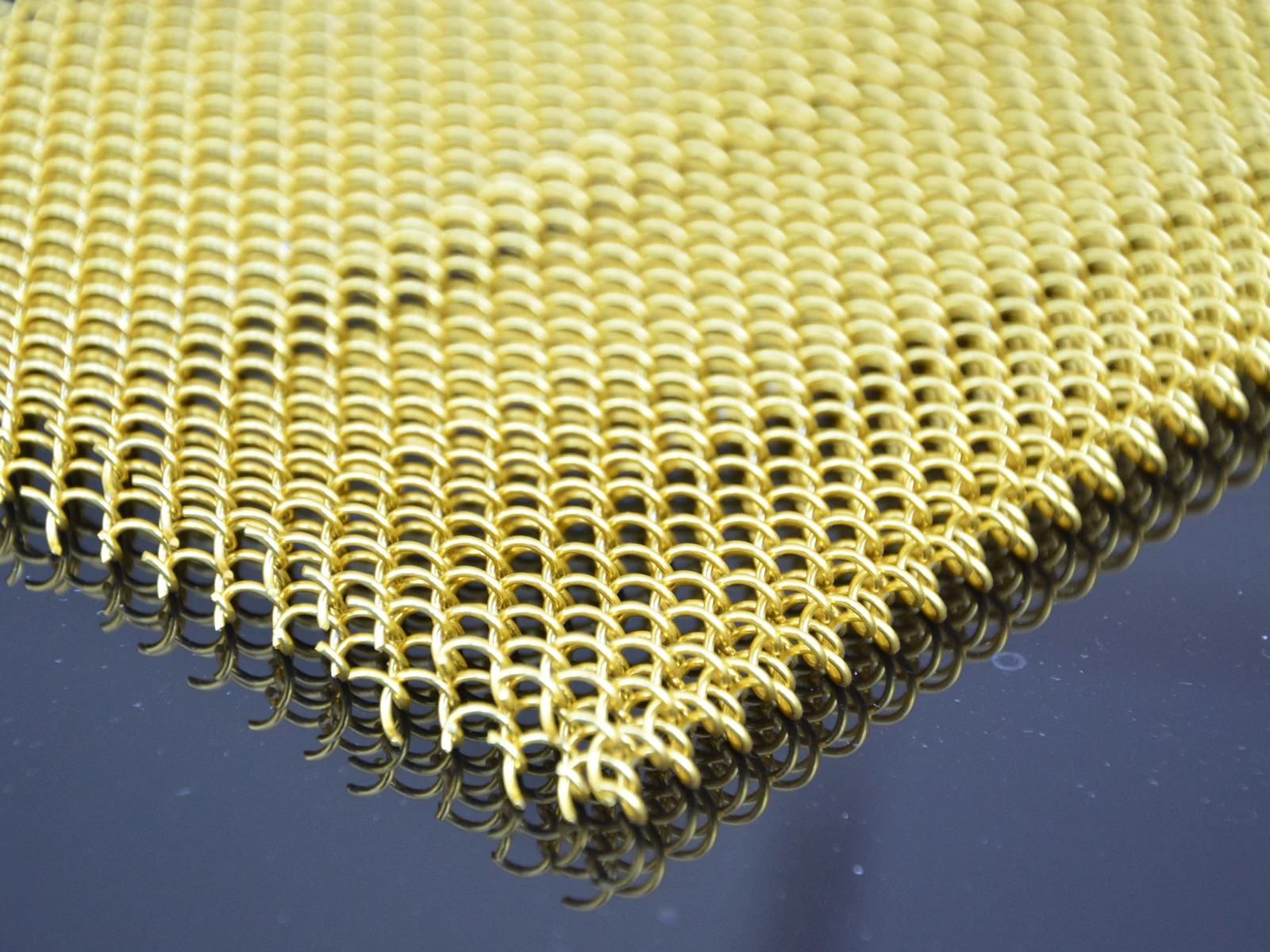
Interlocking coils show the repeating wire structure and aperture.
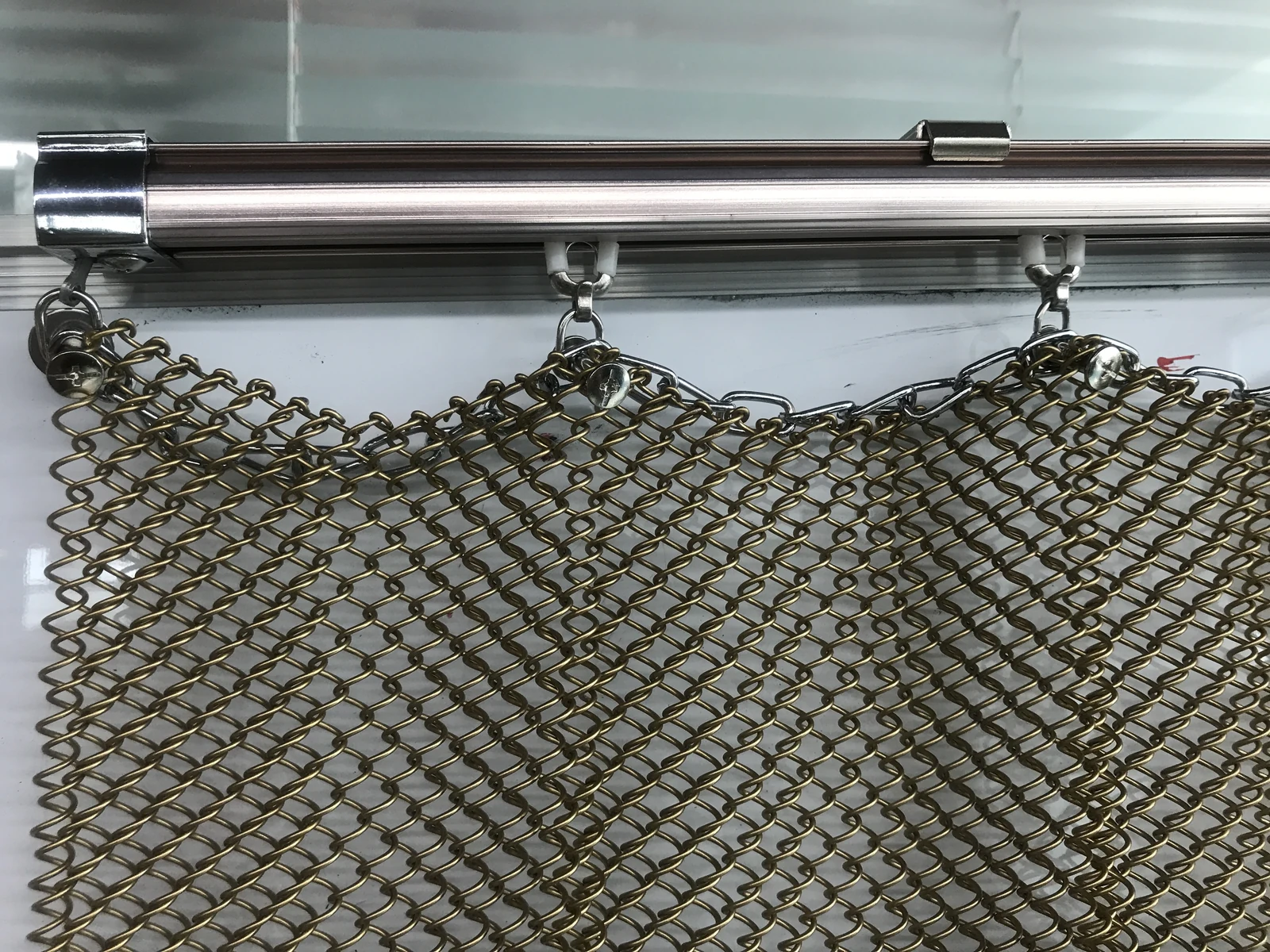
The upper coil curtain surface is shown together with its horizontal top rail.
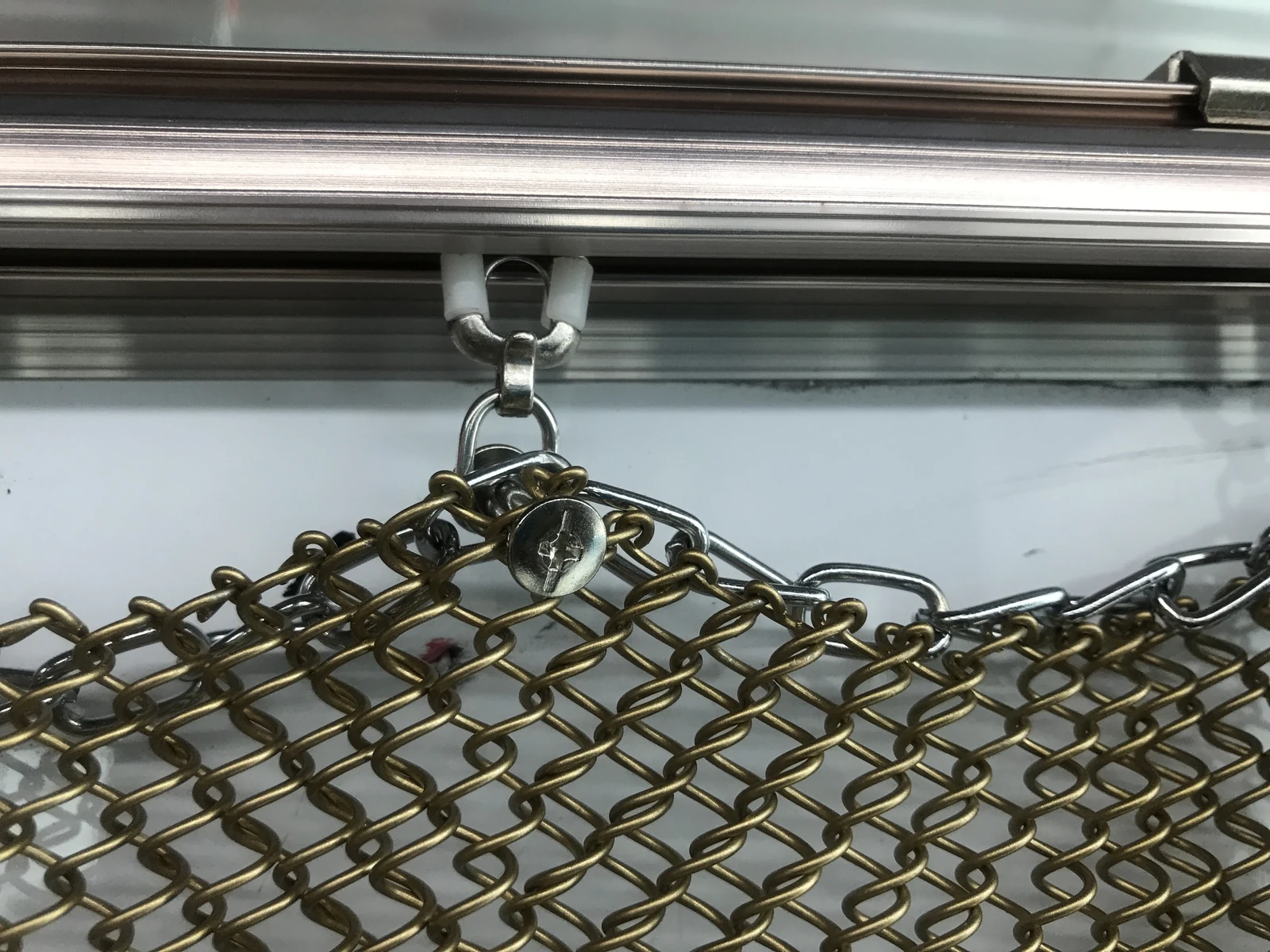
A carrier connects the coil curtain to the overhead track.
Confirm coil geometry, wire diameter, opening and panel size separately from chain specifications. Coordinate track, carriers, stacking direction, fullness and finished edges.
Consider flexible coil sheets for interior space dividers, wall layers, ceiling features and decorative screens. Select folds and movement around the actual supporting system and maintenance access.
SPECIFICATION & SELECTION
Provide the preferred construction and installation context. Sizes, materials, finishes and supply options are confirmed against the project rather than promised as fixed ranges.
APPLICATIONS / IMAGE POSITIONS
Three Chain and two Coil application positions remain unfilled until the image clearly shows the corresponding construction. These are not presented as completed AMBER projects.
Suspended coil drapery forms a continuous curtain around an interior area.
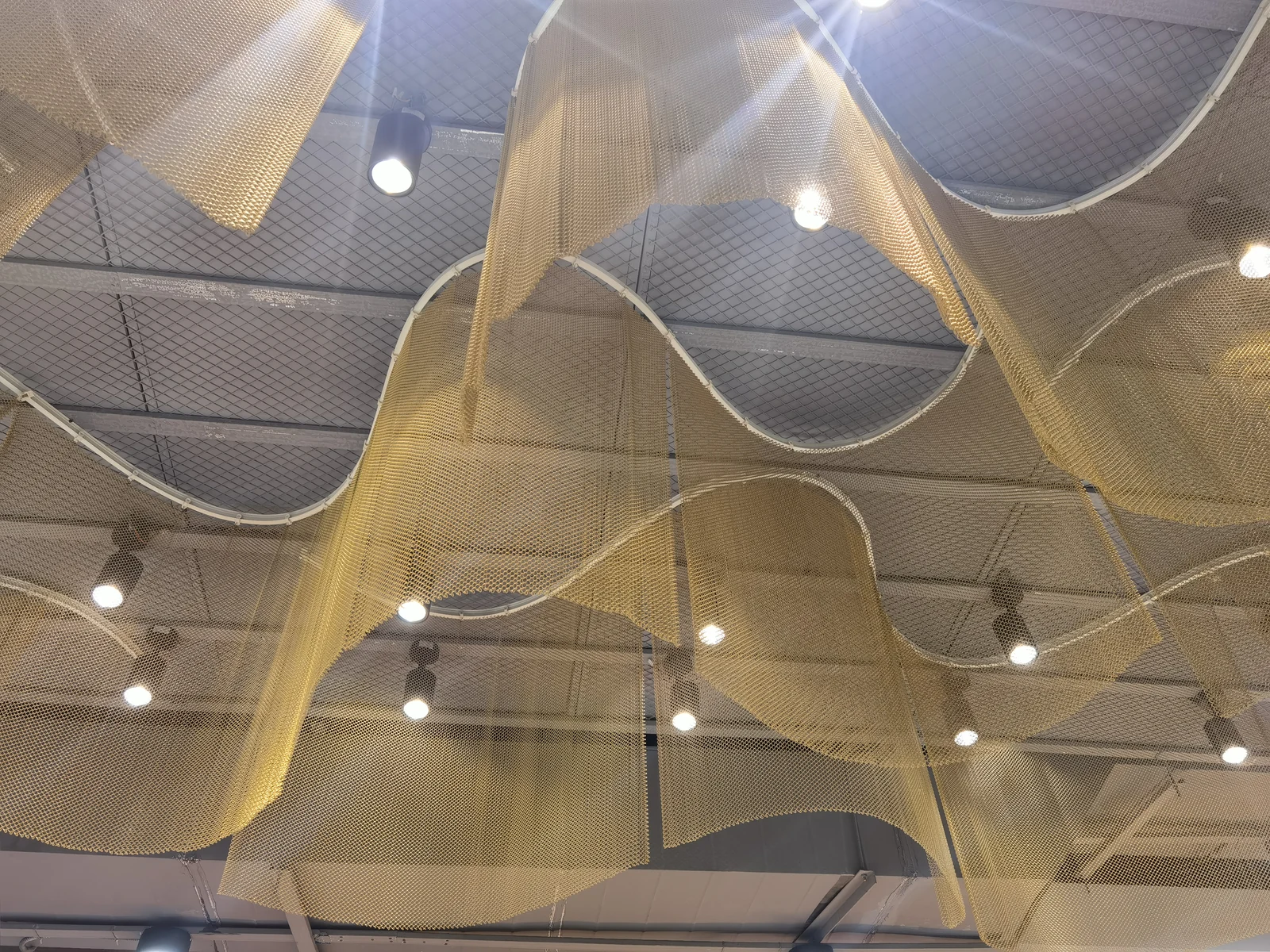
Coil mesh is suspended in curved forms as a decorative ceiling feature.
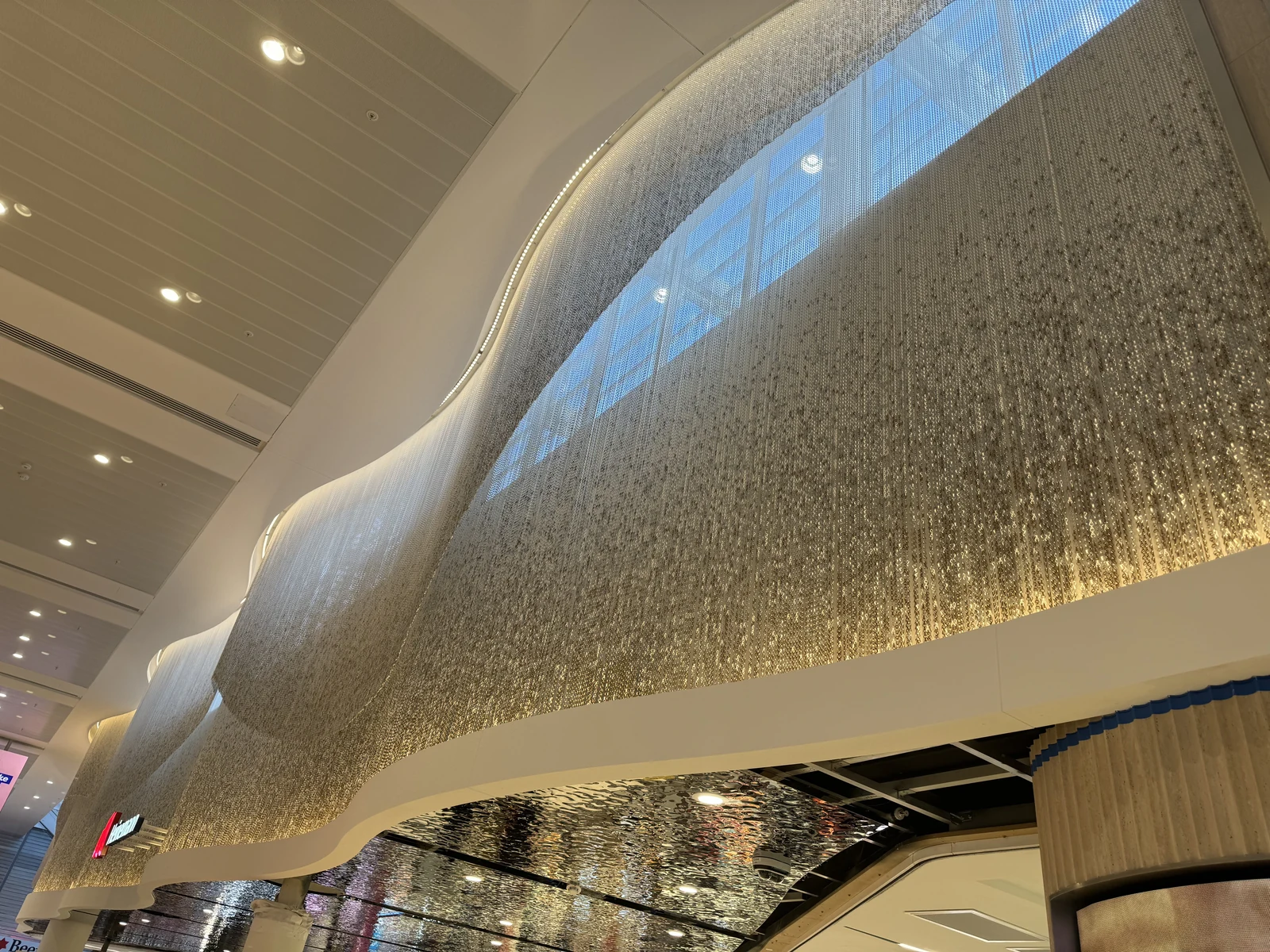
Suspended chain curtains create a flowing decorative feature within an interior space.

Chain curtains define seating areas while retaining light and views between spaces.
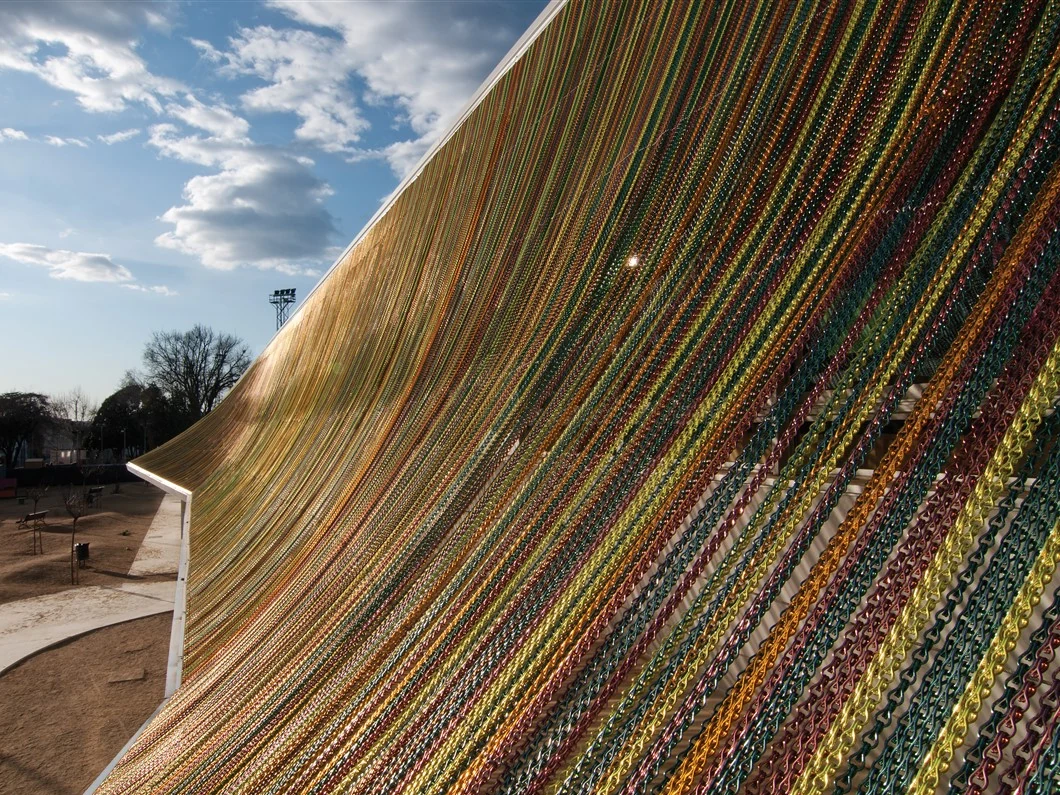
Draped chains introduce color and texture to an outdoor decorative installation.
FREQUENTLY ASKED QUESTIONS
Start with Chain or Coil, then confirm the dimensions and suspension system.
Chain curtains are made from linked or suspended metal strands with individual movement. Coil drapery is an interlocked wire-coil sheet that can form continuous folds.
Not automatically. The top attachment, carrier and movement requirements must be checked for the selected structure and installation.
Provide the opening width and drop, link or strand reference, spacing, finish, intended movement, top support and any lower-edge requirement.
Provide coil or sample reference, aperture or openness target, panel width and drop, desired fullness, track and stacking direction, edge treatment, finish and application.
Yes. Share a drawing, sample or installation requirement so the proposed material, finish and fixing method can be reviewed for the project.
LET’S PLAN THE RIGHT CURTAIN
Send the preferred Chain or Coil structure, dimensions, finish, top fixing, quantity and intended space for a project-specific review.