Skip to content
Get a Quote

DECORATIVE EXPANDED METAL

Decorative Expanded Metal

A continuous metal sheet becomes a directional pattern of openings, strands and shadows. Select the mesh profile, diamond orientation and finish together to create panels that work with the surrounding architecture.

Construction

Slit and expanded from one sheet

Profile

Raised or flattened options

Visual Effect

Directional texture and shadow

Panel Detail

Orientation and edges by drawing

PRODUCT OVERVIEW

One Connected Pattern, Multiple Ways to See It

Decorative expanded metal is made by slitting and stretching a sheet into a connected network of strands and bonds. Its openings are formed through expansion rather than individual punched holes. This creates a recognisable diamond geometry with a direction that remains visible across the finished panel.

The mesh can appear open and light from one viewpoint, then denser from another. Strand profile, diamond direction, backing and lighting all influence the result. A panel drawing should identify the visible face, orientation, edges and fixing method before a pattern is selected for a larger installation.

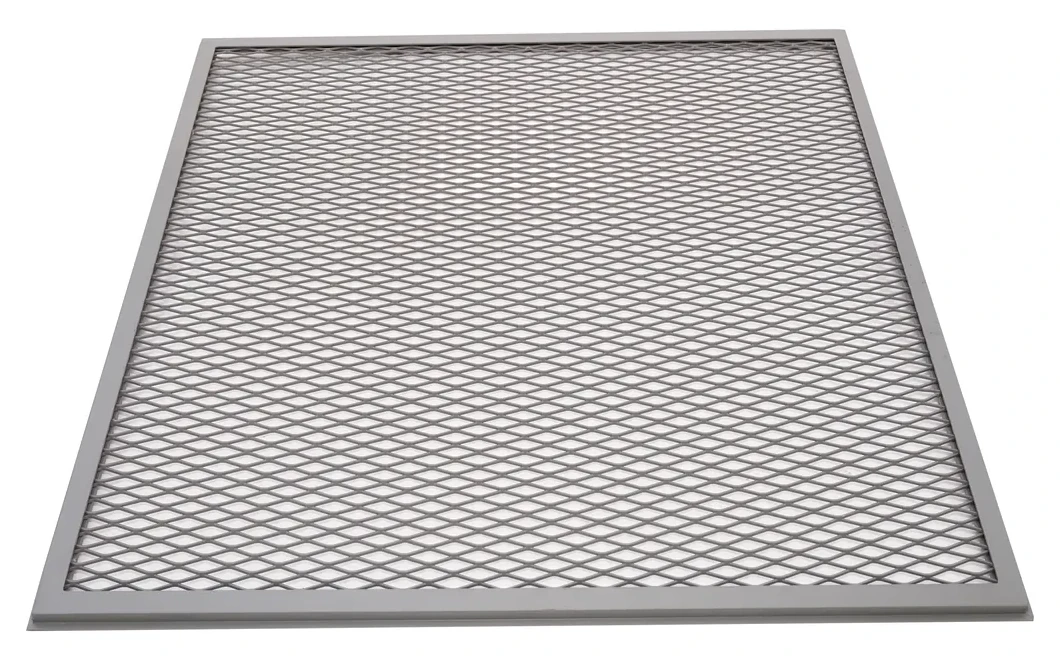
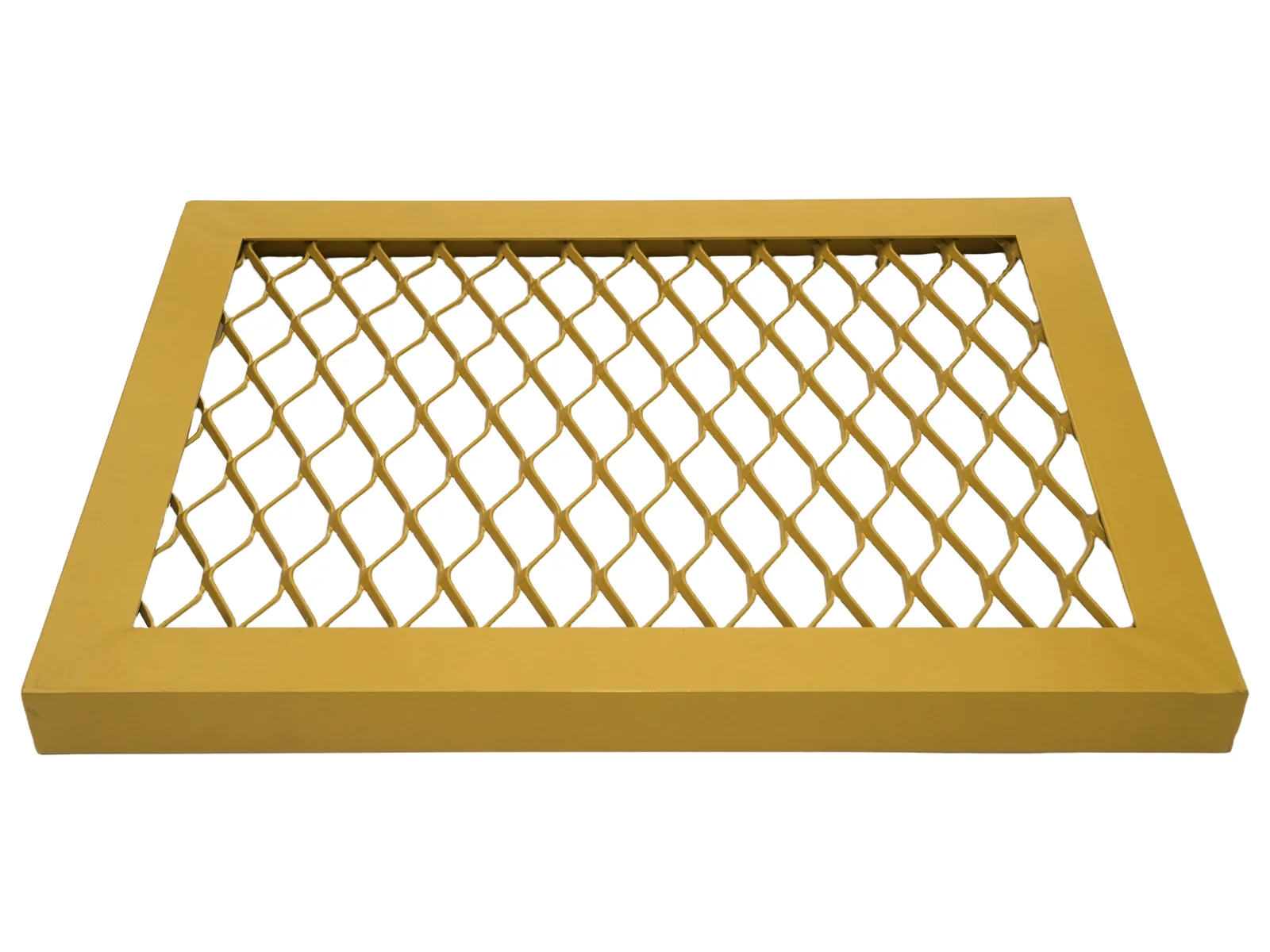
Framed raised expanded mesh with continuous diamond-shaped strands

MESH PROFILE

Two Profiles, Different Visual Effects

Framed raised expanded mesh with continuous diamond-shaped strands

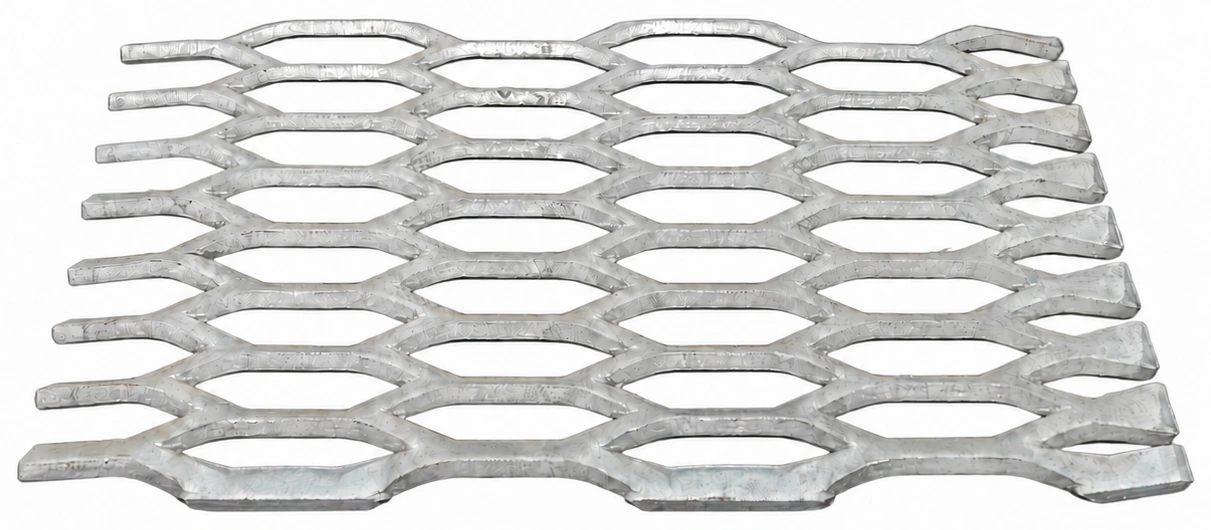
Raised Expanded Metal

The expansion process leaves angled strands and a three-dimensional surface. Viewed across the panel, this profile can create pronounced texture and directional shadow. Review the actual sample, overall thickness and edge treatment for the intended installation.

Expanded metal sample with connected diamond-shaped openings on a white background

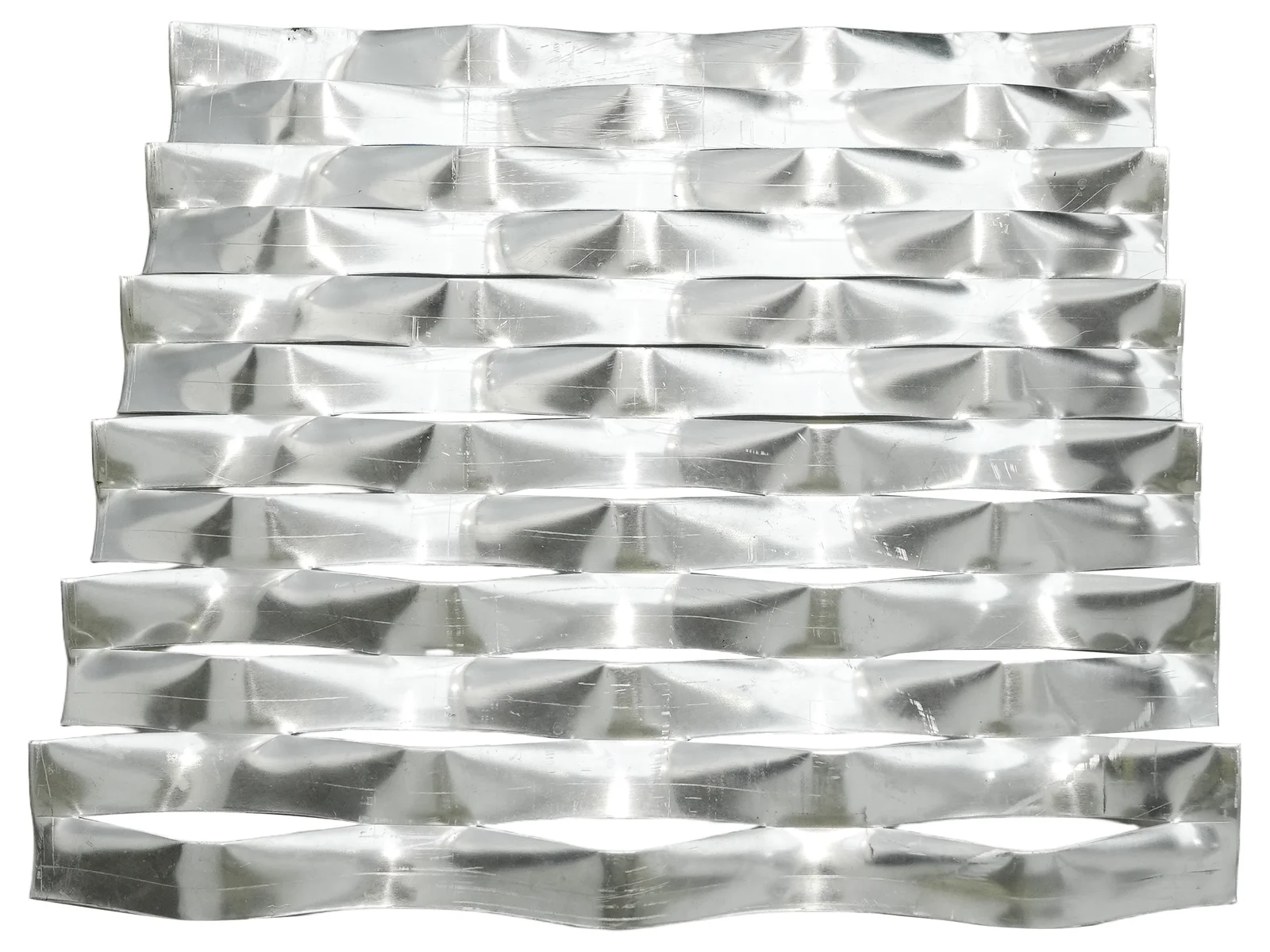
Flattened Expanded Metal

A subsequent rolling process produces a lower, smoother profile. It changes the mesh geometry and finished thickness, so a flattened sample should be specified and approved in its own right rather than treated as an interchangeable version of raised mesh.

The appropriate profile depends on appearance, contact with the surface, framing and fabrication requirements. Confirm the selected pattern and material combination before quotation.

DESIGN THE VIEW

Turn the Diamond, Change the View

Direction, viewing angle and background make one mesh read differently across a space.

01

Set the Direction

Show the long-way diamond direction on every panel drawing. Turning the mesh changes its visual rhythm and may make adjoining panels appear inconsistent if their orientations differ.

02

Review the Angle

Angled strands can reveal more or less of the space behind them as the viewing position changes. Examine a physical sample from the directions people will actually approach the installation.

03

Test the Backdrop

Daylight, a solid backing and artificial light produce different impressions of the same mesh. Review the selected profile and finish against the intended background.

Framed raised expanded mesh with continuous diamond-shaped strands

Complete Raised panel

A full view of the raised diamond pattern and panel orientation.

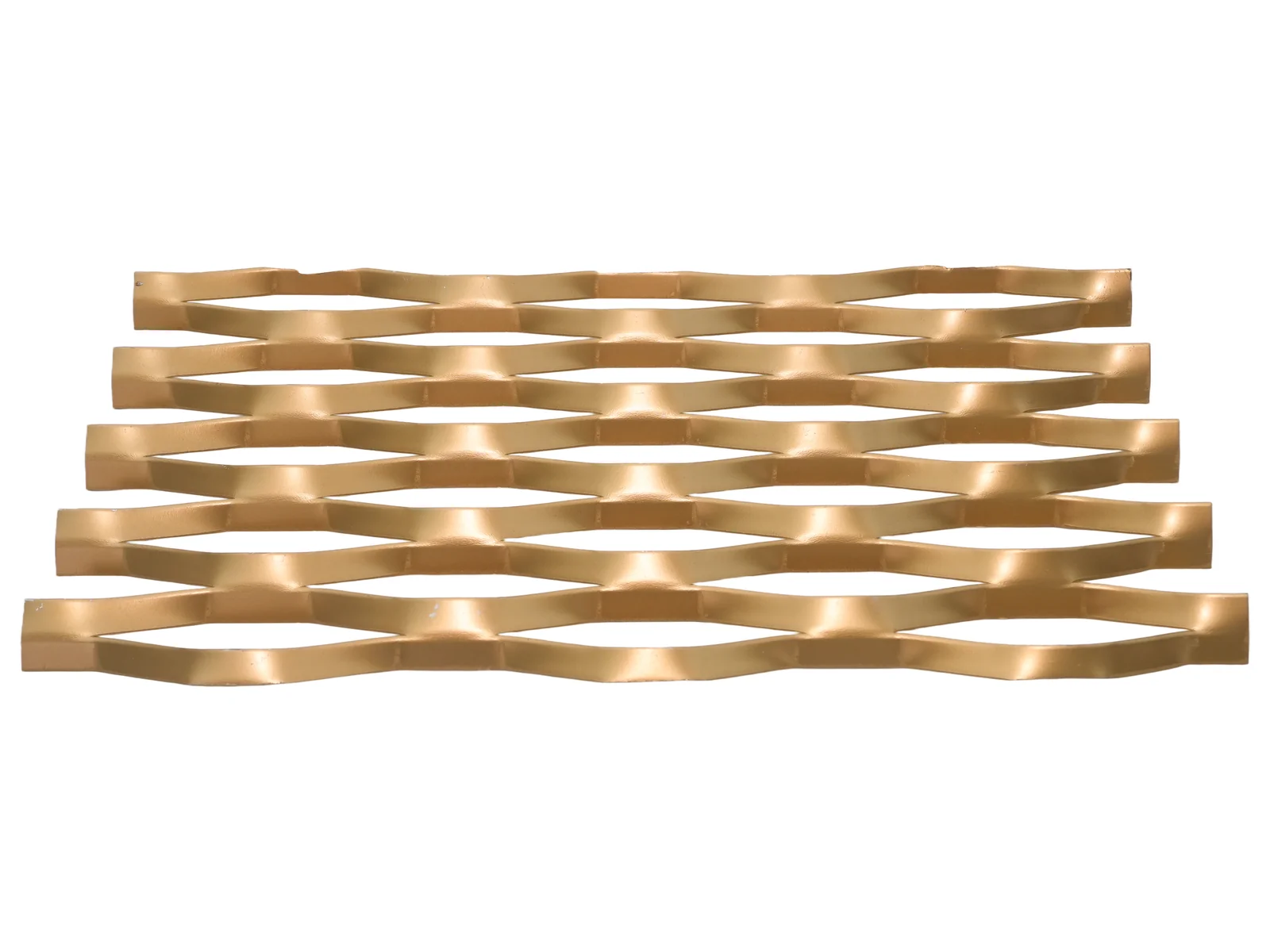
Raised expanded mesh seen from an oblique angle

Raised angled close-up

An oblique view shows the depth and directional shadows of the raised strands.

Expanded metal sample with connected diamond-shaped openings on a white background

Complete flattened sample

A complete sample shows the diamond openings and finished panel orientation.

Expanded metal sample with connected diamond-shaped openings on a white background

Flattened sample detail

Detail of the same flattened sample shown above, not a separate mesh model.

Expanded mesh detail showing connected strands and bonds

Strand and bond detail

Connected strands meet at the bonds in the expanded sheet.

Expanded metal mesh panel retained within a complete perimeter frame

Finished edge and frame

The expanded mesh panel is retained within a defined perimeter frame.

SPECIFICATION GUIDE

Define the Diamond and the Finished Panel

Identify the profile, measurement basis and panel direction before approving the design.

Material & Finish

Select the base metal and finish for the intended appearance and exposure. Confirm the chosen combination for the pattern.

Raised or Flattened

Identify the required profile; rolling changes the finished geometry and thickness.

Diamond Dimensions

State SWD and LWD using an agreed measurement basis, and distinguish them from the clear opening.

Strand & Base Sheet

Define strand width and original sheet thickness alongside the diamond dimensions.

Panel Orientation & Size

Show the long-way direction, visible face and finished panel dimensions on the drawing.

Edges & Fixings

Confirm trimming, folds or frames, fixing points, joints and the supporting structure.

A diamond size alone does not define panel weight, strength, visibility or the performance of a complete installation. Compatible dimensions and fabrication details are confirmed for the selected pattern.

APPLICATION IDEAS

Directional Texture for Built Spaces

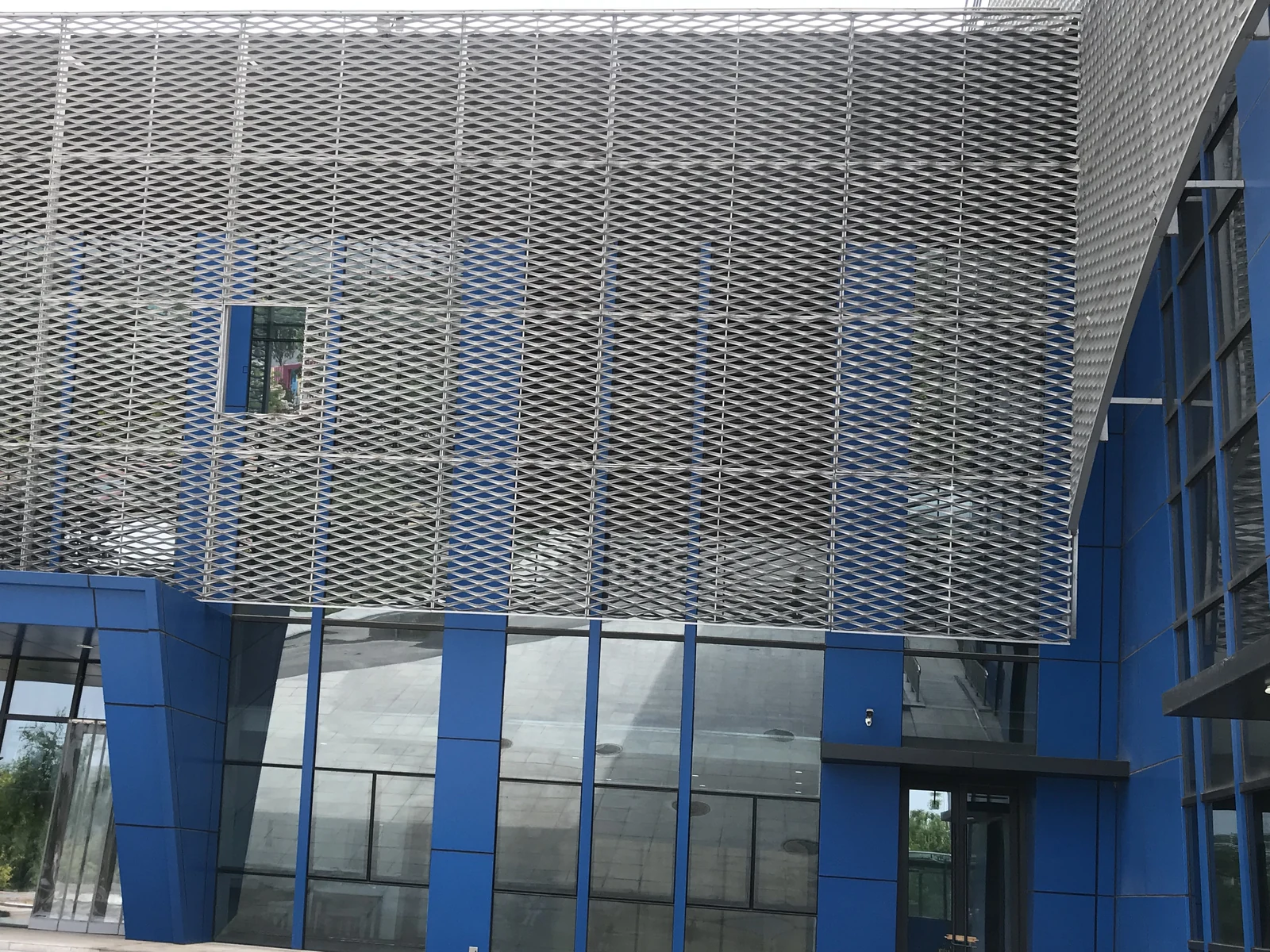
Photographic examples show the mesh within its architectural setting.

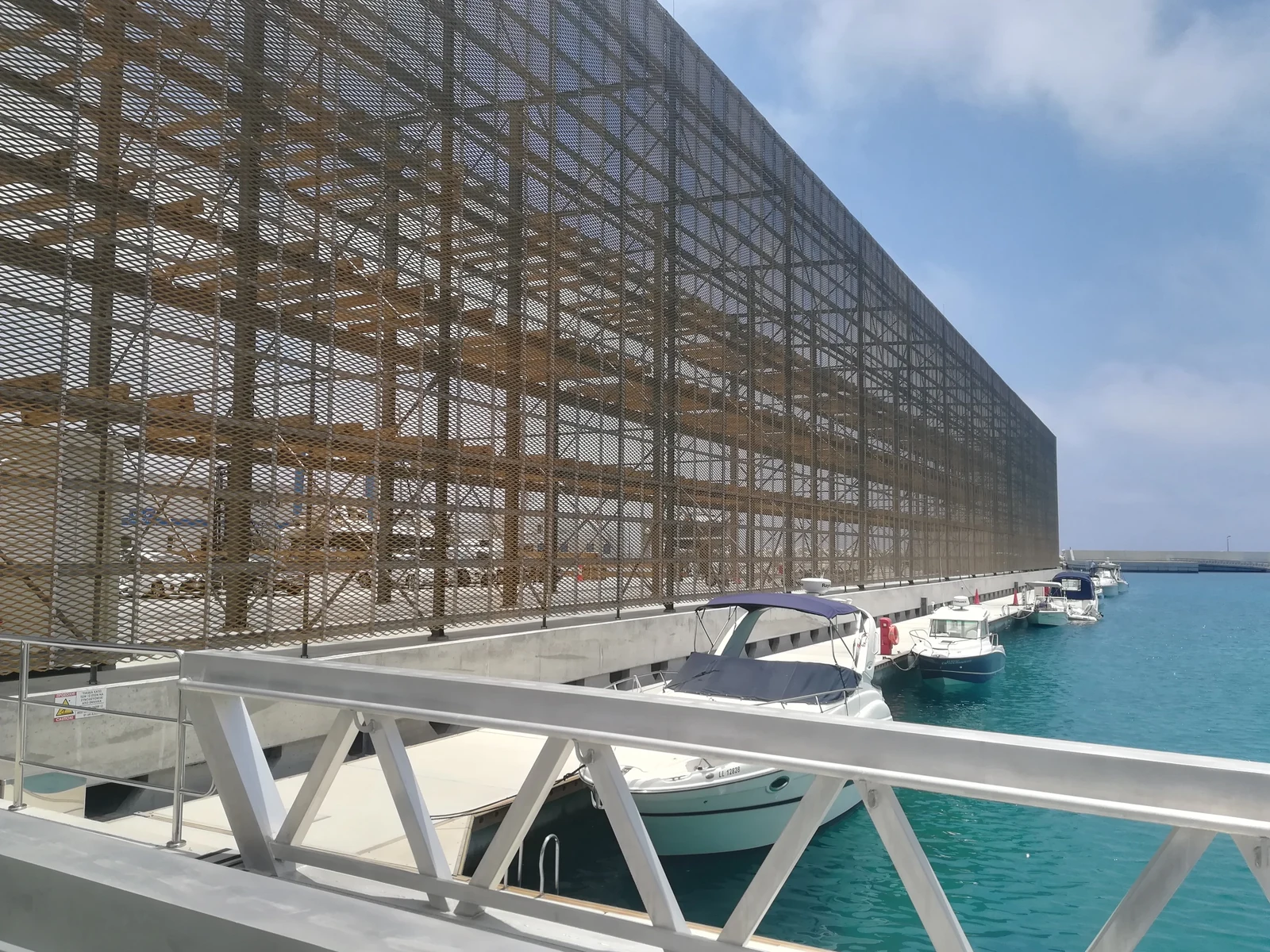
Expanded metal mesh screen over a glazed facade beside a waterfront

Waterfront Facade Screens

Expanded metal creates an open facade screen beside a waterfront setting.

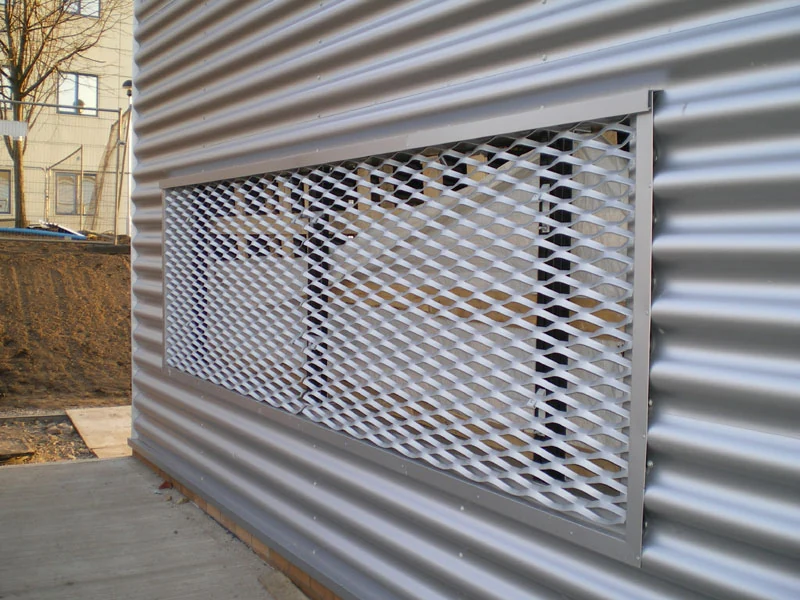
Framed expanded metal panel set into a corrugated exterior wall

Framed Screening Panels

A framed expanded metal panel introduces diamond openings into an exterior wall.

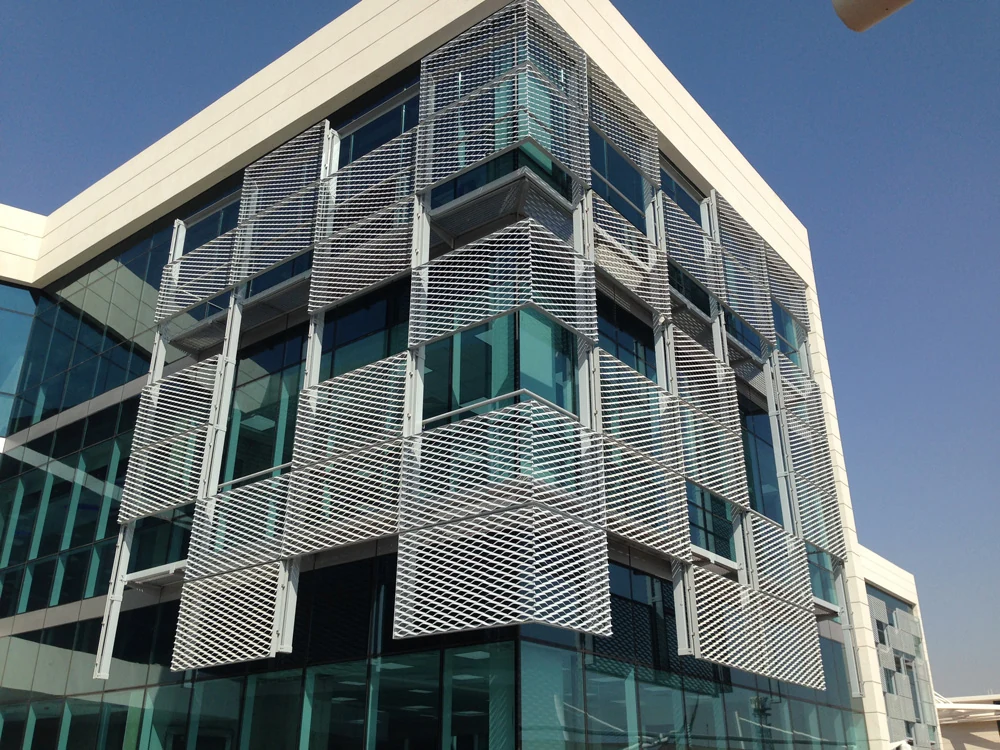
Expanded metal screens enclosing projecting balconies on a building

Balcony Screens

Expanded metal panels form screening elements around projecting balconies.

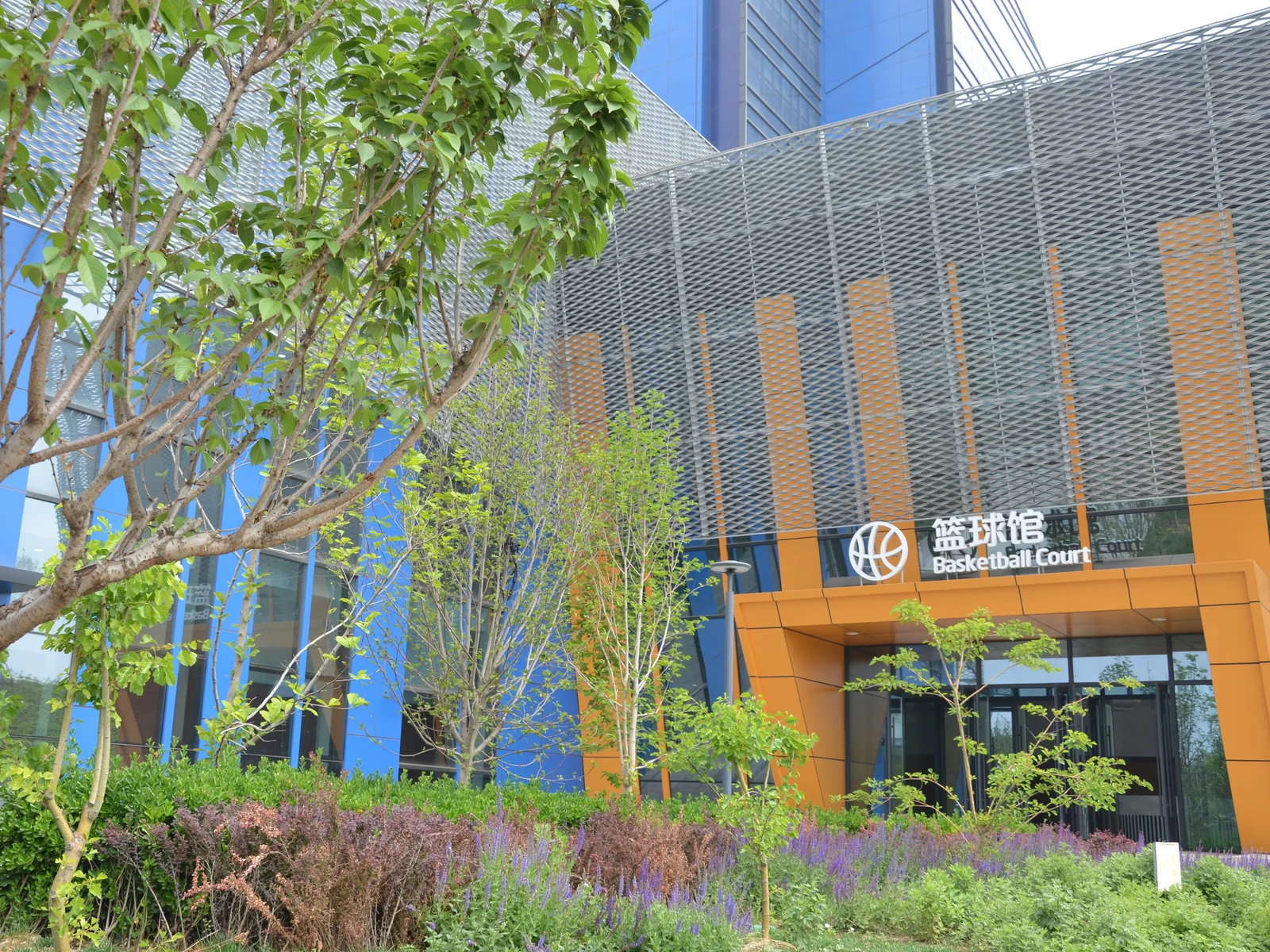
Expanded metal screening panels above a commercial entrance with a tree in the foreground

Commercial Facade Screens

Expanded metal screens add a patterned outer layer to a commercial frontage.

Expanded metal panels above and beside a glazed building entrance

Entrance Facade Screens

Expanded metal panels form an open screen above and beside a building entrance.

Photographic application examples are not presented as completed AMBER projects.

FREQUENTLY ASKED QUESTIONS

Decorative Expanded Metal FAQ

Mesh profile, pattern direction, measurements and project information.

What is the difference between raised and flattened expanded metal?

Raised mesh retains the angled profile formed during expansion. Flattened mesh is rolled afterward for a lower, smoother profile. Rolling also changes dimensions and appearance, so the two types should be specified separately.

Why does the direction of the diamond matter?

The mesh looks different when its long-way direction is rotated. Direction also affects how patterns align across neighbouring panels, so it should be shown on the approved drawing.

Are SWD and LWD the same as the clear opening?

No. SWD and LWD describe the diamond pattern using a defined measurement basis; the clear opening is the space available between strands. State which measurement your drawing uses.

Can decorative expanded metal be used outdoors?

Exterior use can be reviewed when material, finish, panel geometry, edges and support are selected for the project environment. The complete assembly requires its own design review.

What should I send for a quotation?

Send the application, material and finish, raised or flattened preference, diamond dimensions, strand and sheet details if known, panel sizes, quantity and drawings showing orientation and fixings.

LET’S SHAPE THE DETAILS

Define the Profile. Align the Pattern.

Share a sample image or drawing. We can review the diamond geometry, panel orientation, finish and edge details with your design intent in mind.

Contact Us →