
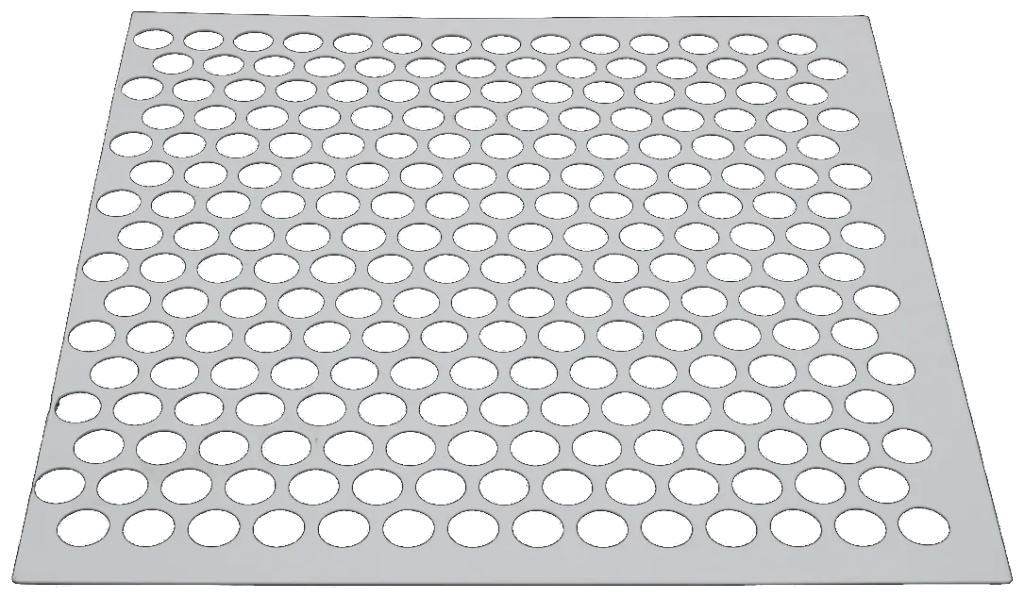
Round Hole Perforated Metal
A versatile pattern for ventilation, screening, facades and equipment enclosures.
Discuss this type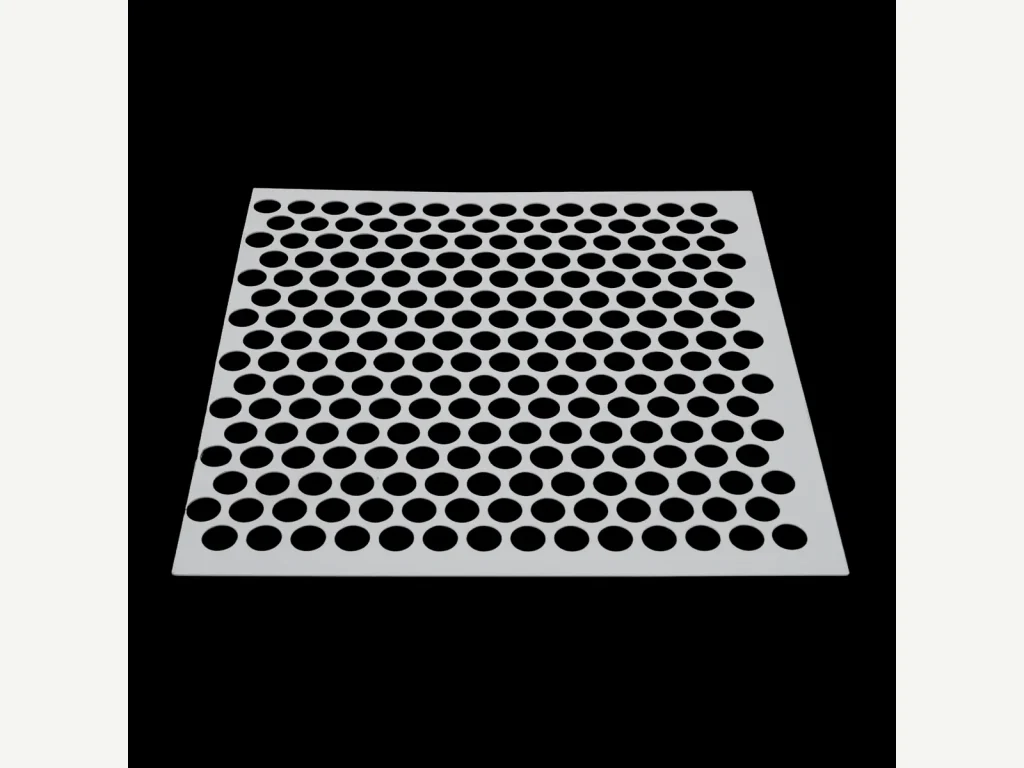
PRECISION PERFORATED SHEET
Engineered opening patterns bring controlled airflow, light transmission and visual rhythm to architectural and industrial metalwork.
Request a Quote →PERFORATED METAL SOLUTIONS
Perforated metal balances airflow, daylight, acoustic performance and structural utility in one precise sheet material. AMBER reviews hole pattern, open area, sheet thickness, panel size and finish against your drawings so the final product is practical to fabricate and install.
Discuss Your Requirements →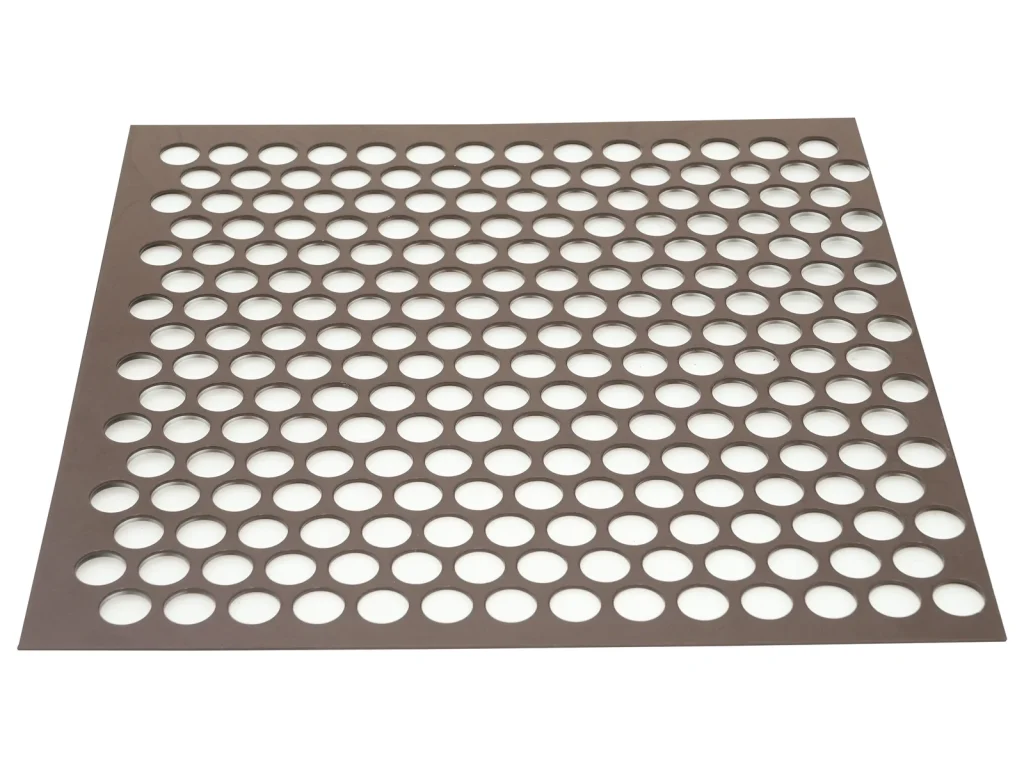
MAIN PRODUCT TYPES
Select a proven opening geometry or start with a project-specific pattern. Each option can be reviewed around the required open area, strength and fabrication route.
A versatile pattern for ventilation, screening, facades and equipment enclosures.
Discuss this type →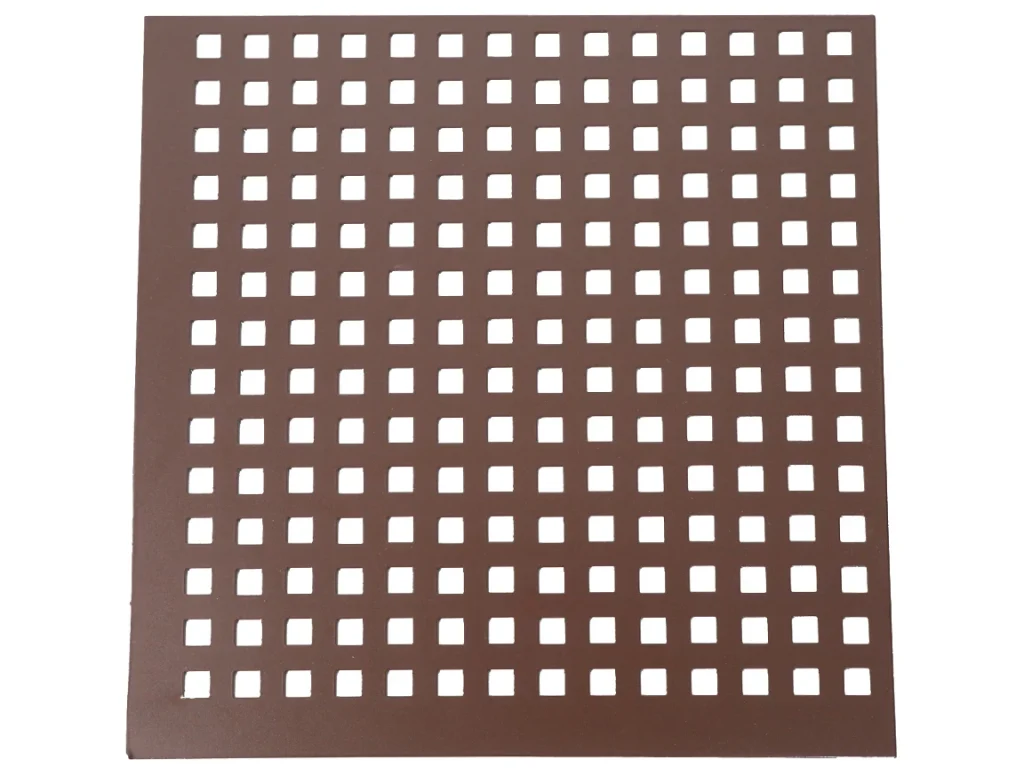
A geometric pattern with a regular appearance for screens, ventilation panels and architectural details.
Discuss this type →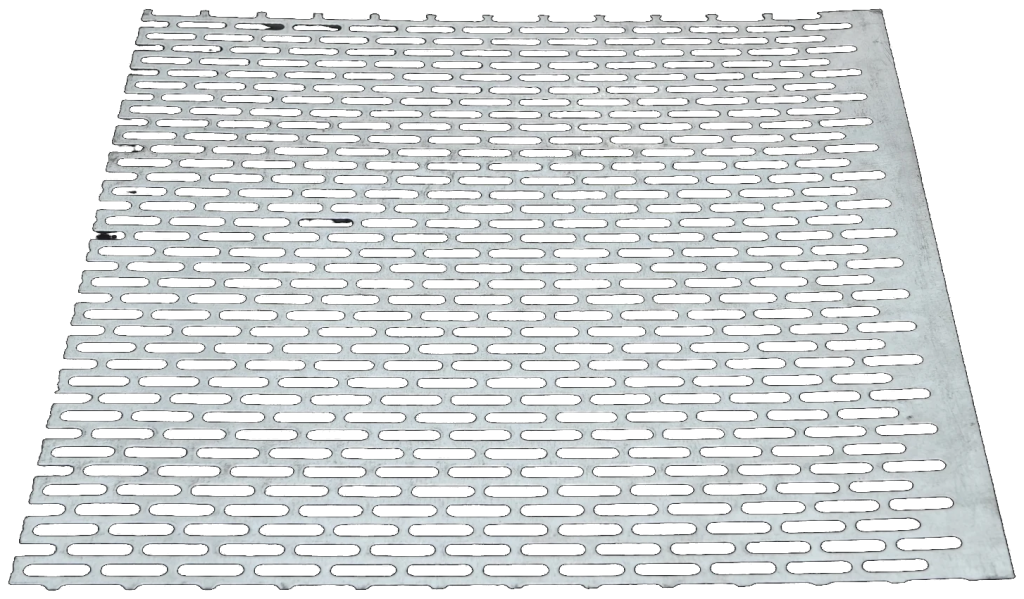
Elongated openings support directional airflow, drainage, grading and distinctive architectural lines.
Discuss this type →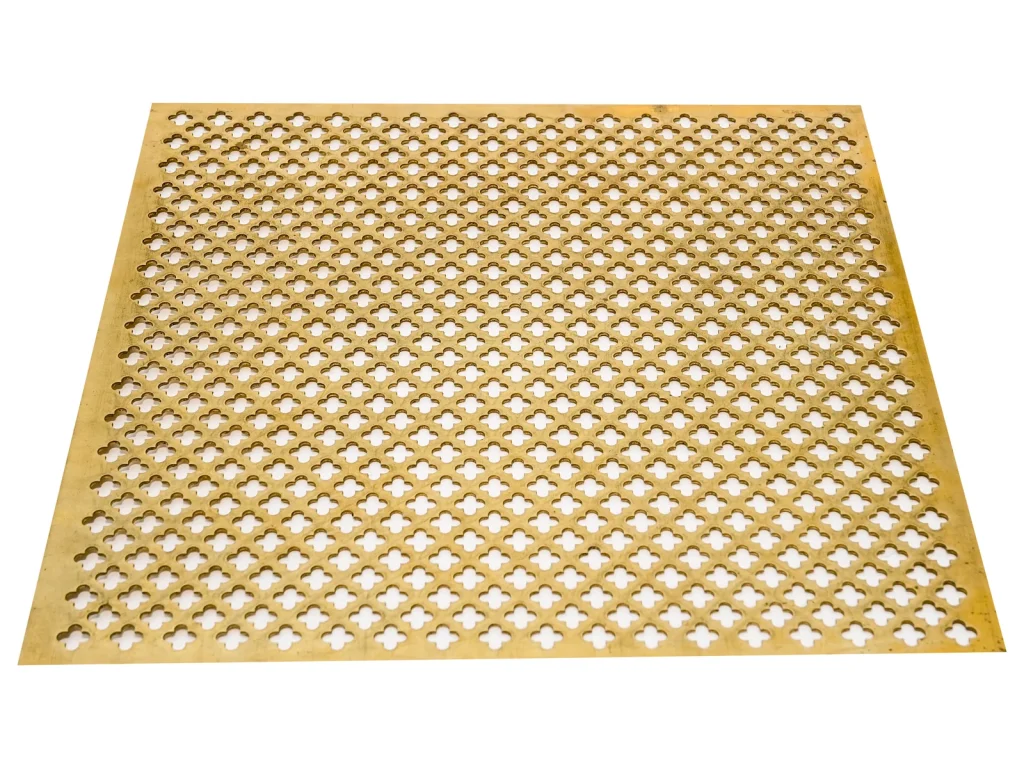
Custom geometric layouts create branded screens, feature panels and expressive building envelopes.
Discuss this type →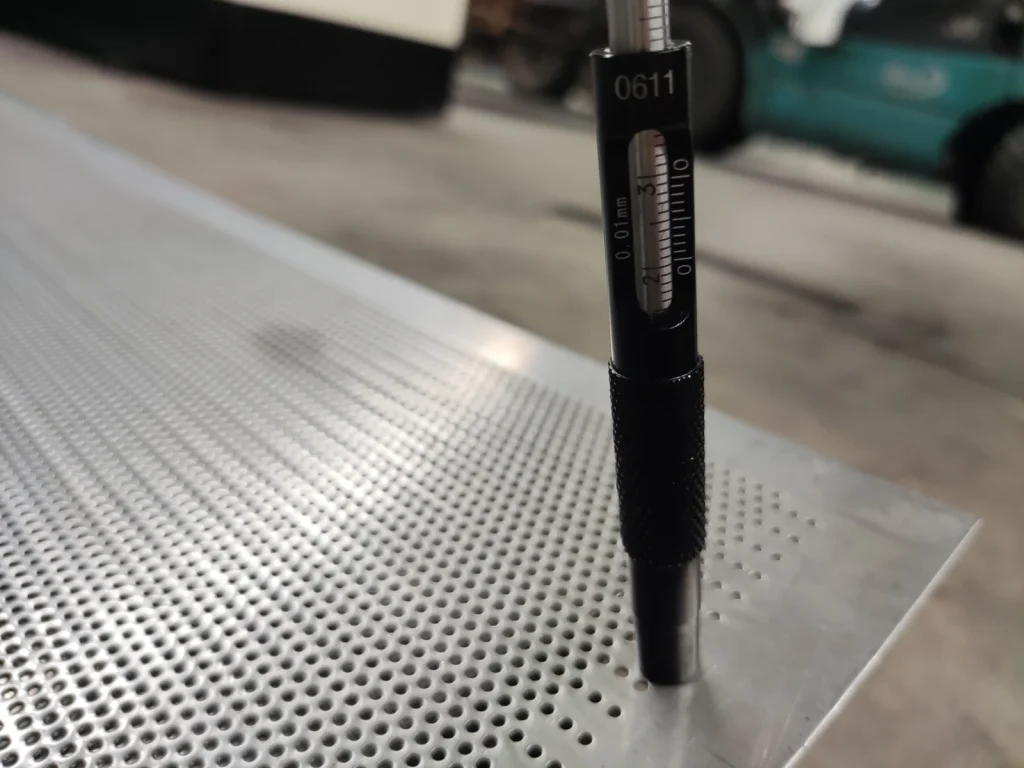
Fine openings suit acoustic layers, filtration components and applications requiring controlled passage.
Discuss this type →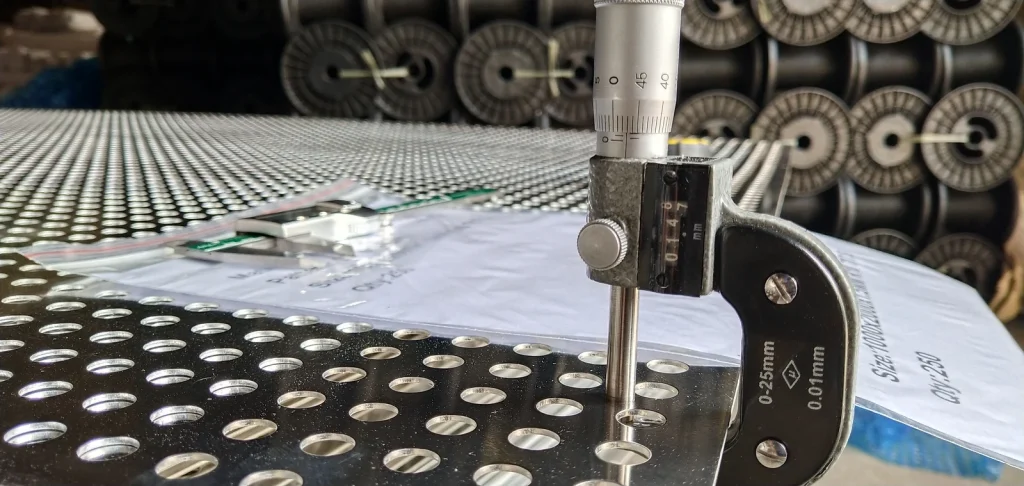
Robust plate formats support guards, walkways and industrial assemblies where rigidity matters.
Discuss this type →KEY ADVANTAGES
A well-specified perforation pattern can manage performance and appearance without adding unnecessary layers.
Coordinate airflow, light, visibility and material use through the opening ratio.
Maintain an ordered visual rhythm across batches, panels and modular assemblies.
Combine hole shape, pitch, margins, material and finish for architectural or industrial intent.
Plan cutting, forming, framing and fixing details as part of the production route.
PERFORATED METAL PRODUCTS
Select the base metal around corrosion exposure, weight, appearance, fabrication and budget. Hole patterns remain specified independently.
Material 01
Corrosion-resistant perforated sheet for architectural, food, chemical and demanding service environments.
Material 02
Lightweight perforated panels for facades, ceilings, ventilation and transport applications.
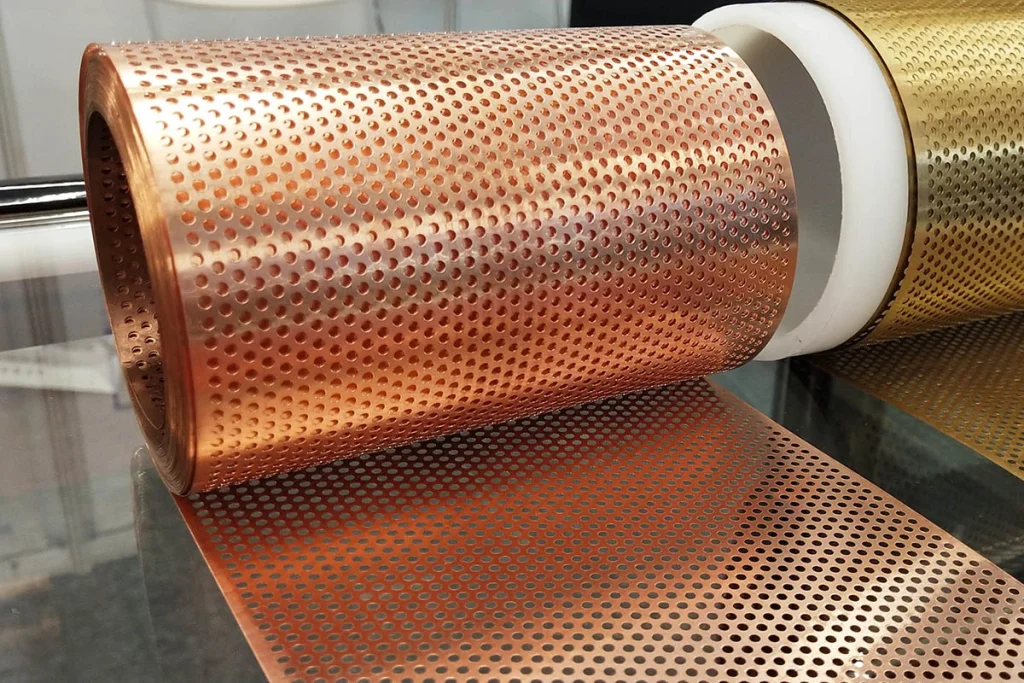
Material 03
Warm, naturally ageing perforated metal for premium screens, interiors and specialist components.
Material 04
Distinctive golden perforated sheet for interior features, displays and refined architectural details.
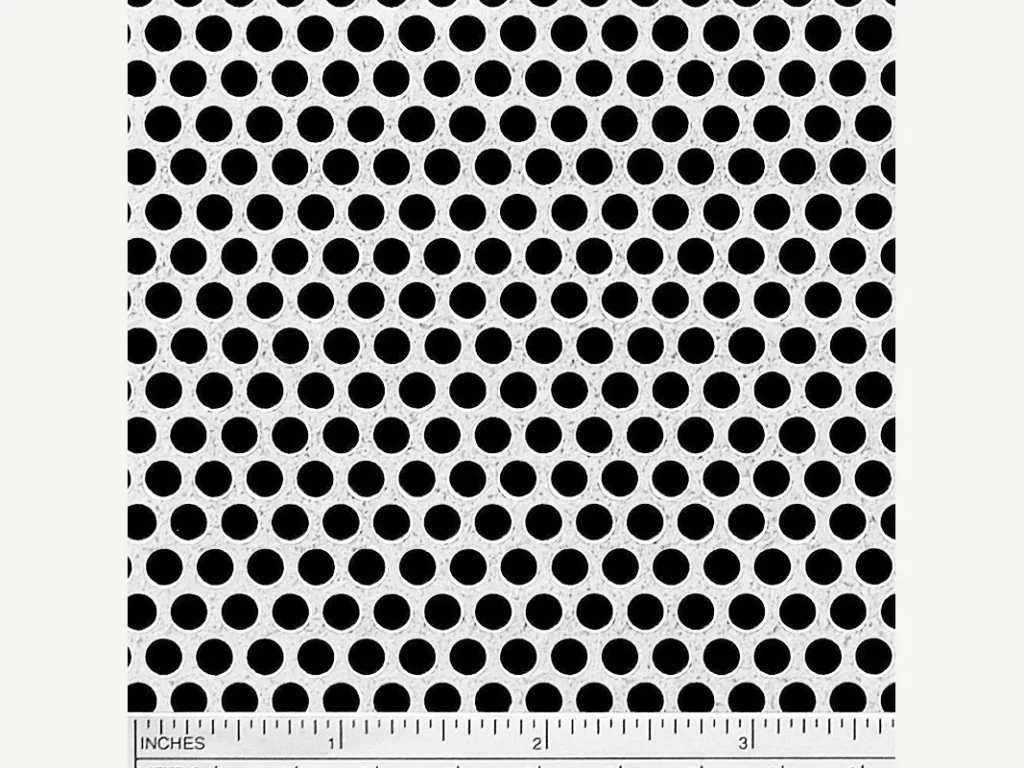
Material 05
Zinc-coated perforated steel for economical corrosion protection in suitable environments.
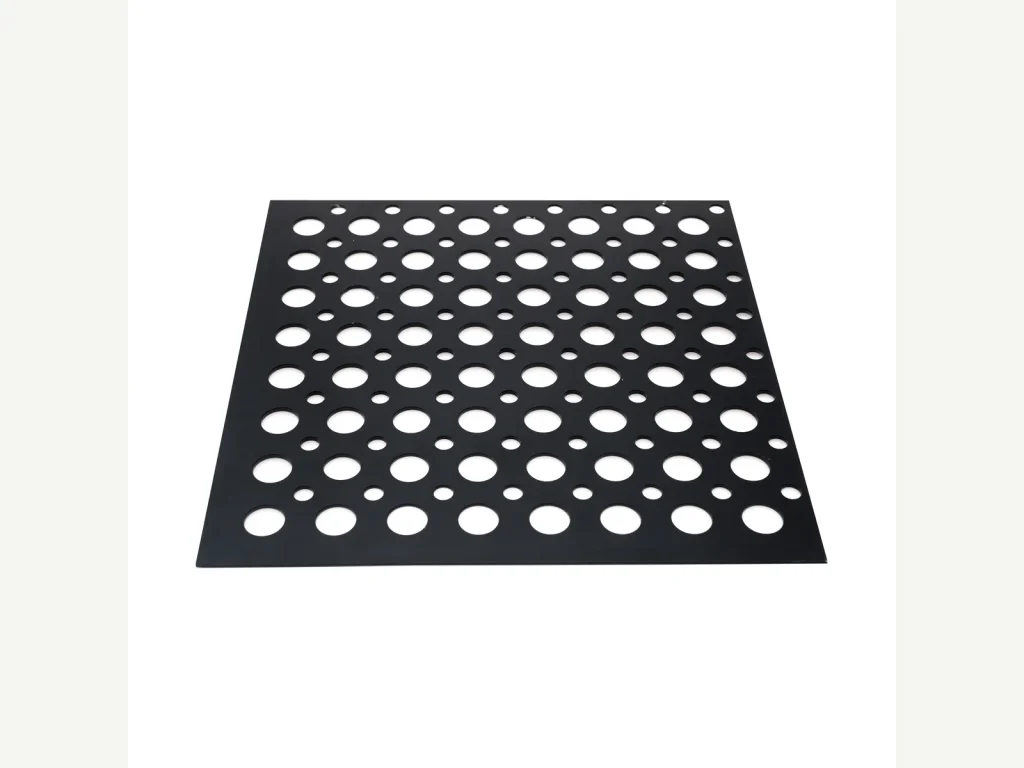
Material 06
Carbon steel, bronze and project-specific alloys reviewed against performance and finish requirements.
MANUFACTURING CAPABILITIES
AMBER coordinates perforation with downstream fabrication so hole layout, blank margins, edges and fixing zones work together before production is released.
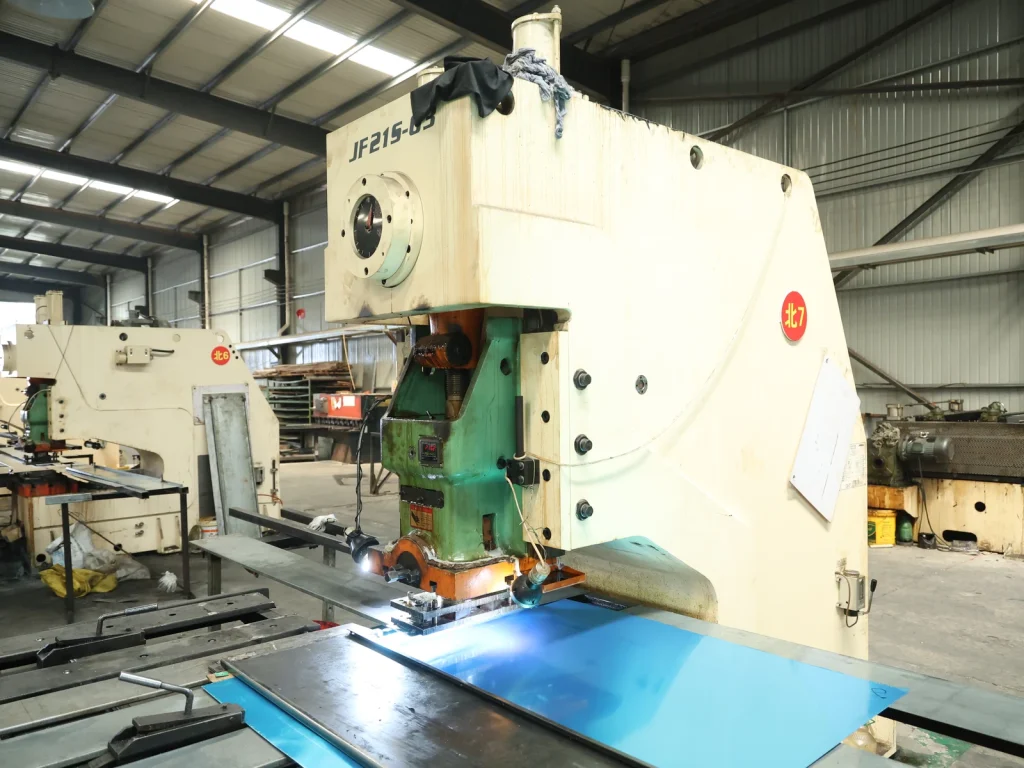
Assess opening geometry, pitch, margins and practical tooling direction.
Plan repeatable layouts around the selected material and sheet format.
Coordinate panel sizing, cut-outs, edge condition and deburring requirements.
Review folds, returns, frames and fixing details with the perforation layout.
Prepare parts for suitable brushing, anodizing, coating or project-defined finishes.
Confirm visible quality points, identification and packing requirements before dispatch.
APPLICATIONS
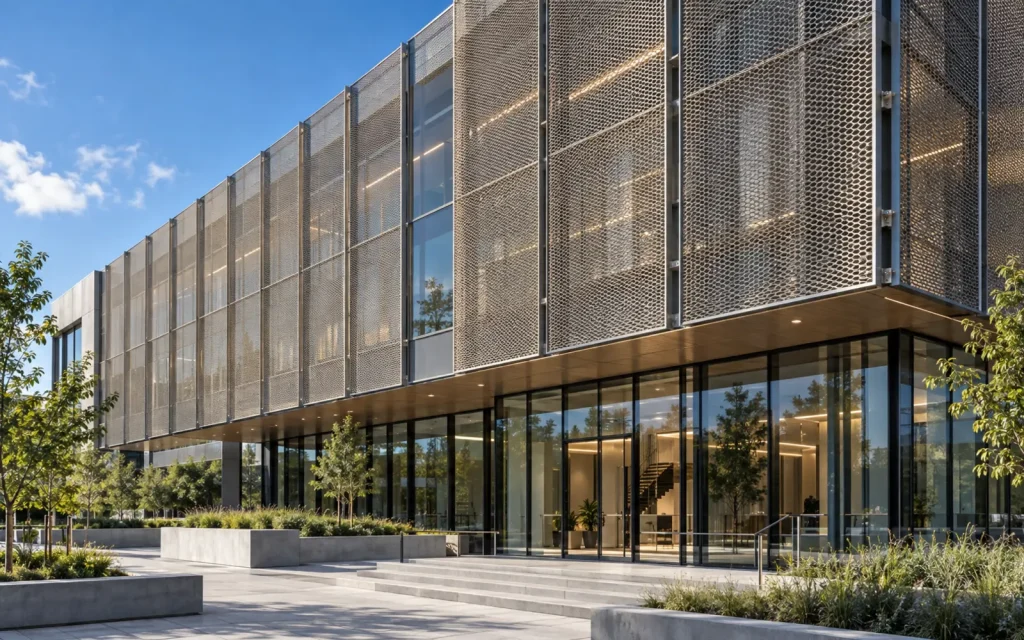
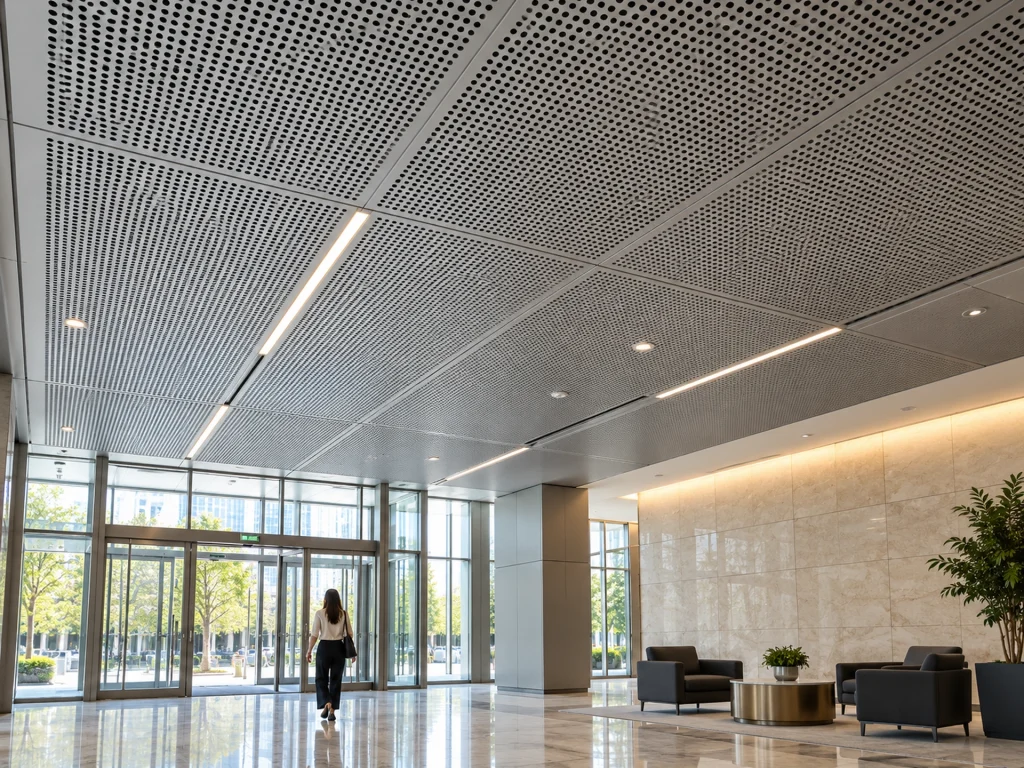
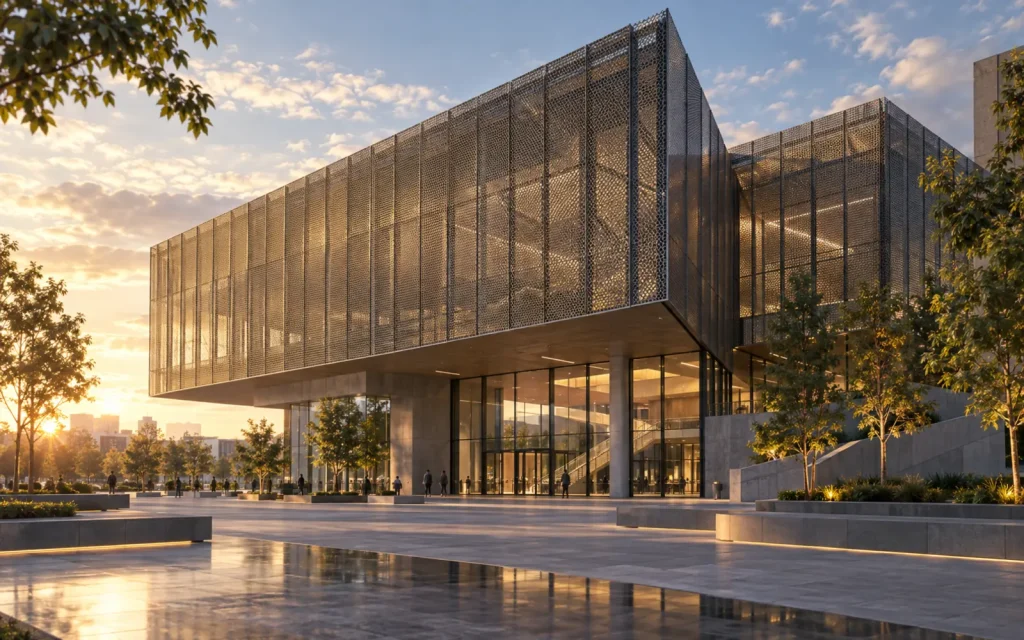
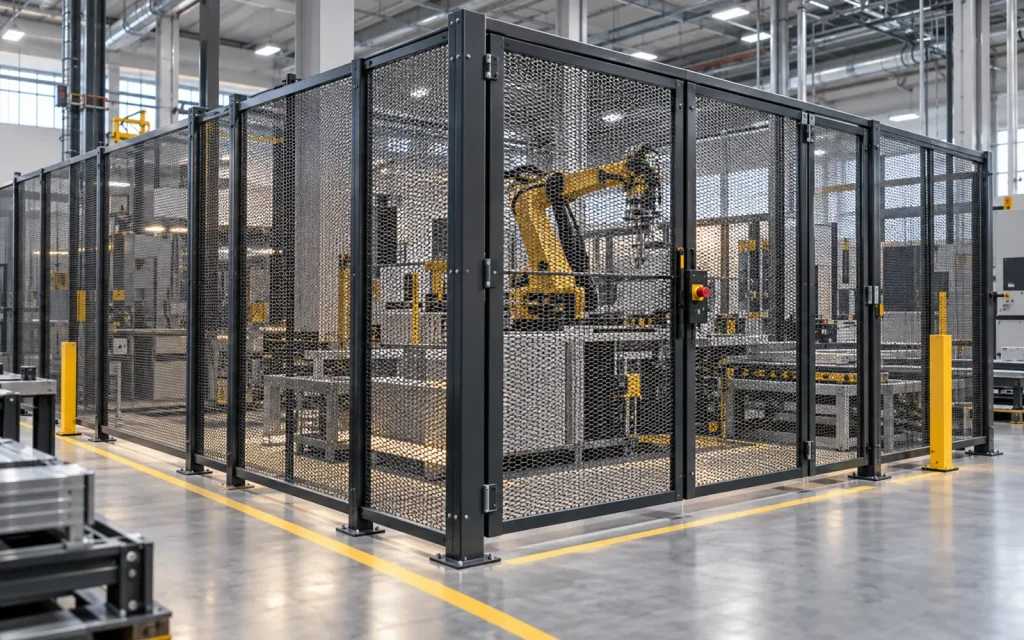
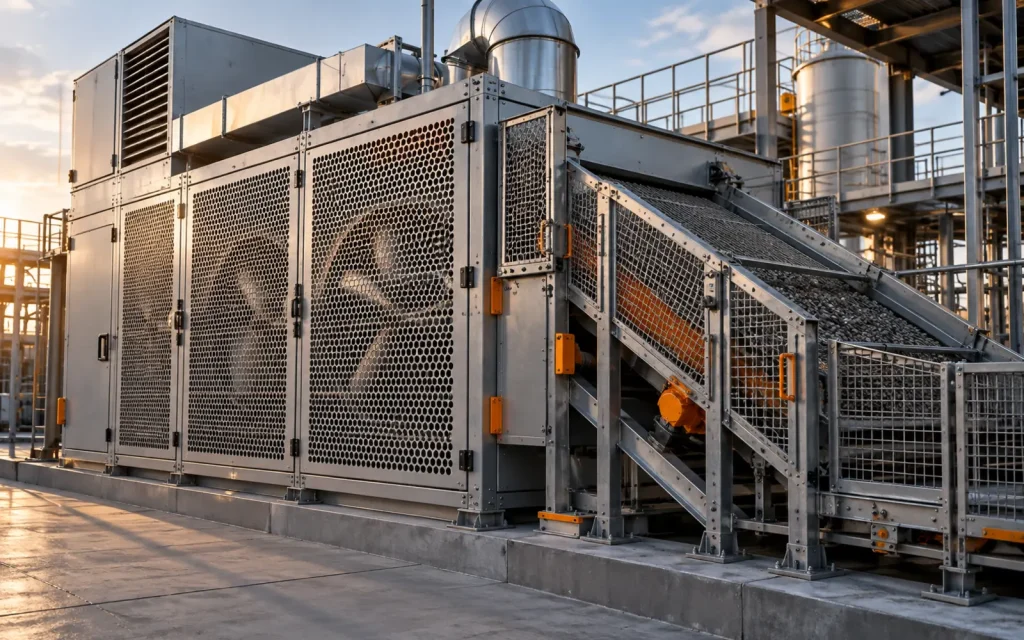
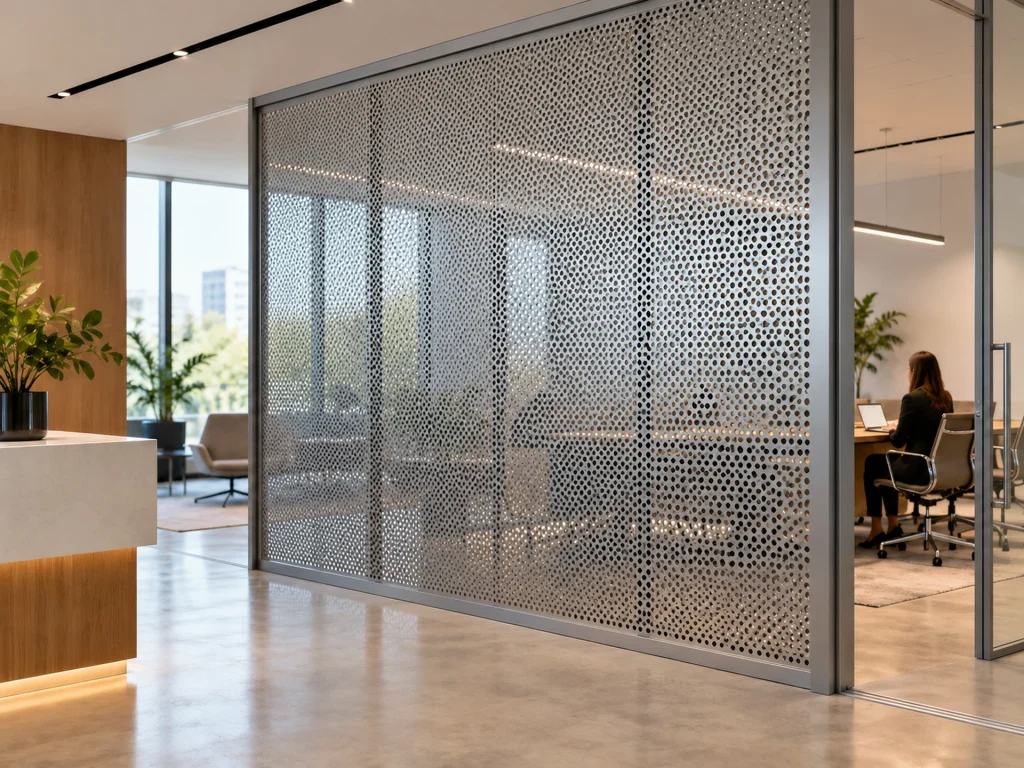
Perforated metal application concepts for architectural and industrial layouts. AI illustrations, not completed AMBER projects.
WHY CHOOSE AMBER
Clear technical coordination keeps the perforated sheet compatible with fabrication, finishing, installation and delivery needs.
We review drawings, pattern intent, open area, margins and fabrication constraints before release.
Defined samples and inspection points help align appearance and dimensions across the order.
Cutting, forming, framing and finish coordination can be planned with the perforated sheet.
Commercial documents, packing requirements and shipment details can be coordinated for international supply.
PERFORATED METAL FAQ
These answers cover the decisions that usually shape pattern feasibility, material selection and production planning.
Open area is the percentage of sheet removed by the selected hole size and pitch. The calculation depends on hole geometry and layout, and can be reviewed against airflow, visibility or weight targets.
Selection depends on corrosion exposure, weight, finish, formability, temperature and budget. Share the application and environment so the options can be narrowed appropriately.
Custom layouts can be reviewed from a drawing or visual concept. Feasibility depends on hole geometry, pitch, sheet thickness, tooling and order quantity.
Yes, secondary fabrication can be coordinated. Blank margins, bend zones, cut-outs and fixing details should be defined before the perforation layout is finalized.
A material or pattern sample can be discussed after the key specification is defined. Sample format and timing depend on the selected material, tooling and finish.
START YOUR PERFORATED METAL PROJECT
Tell us the material, opening pattern, sheet or panel size, quantity, finish and fabrication needs. Our team will review the practical next step with you.