
PRECISION INDUSTRIAL WIRE CLOTH
Woven Wire Mesh
Controlled wire diameter, aperture and weave construction for filtration, screening, sieving, separation, guarding and industrial process applications.
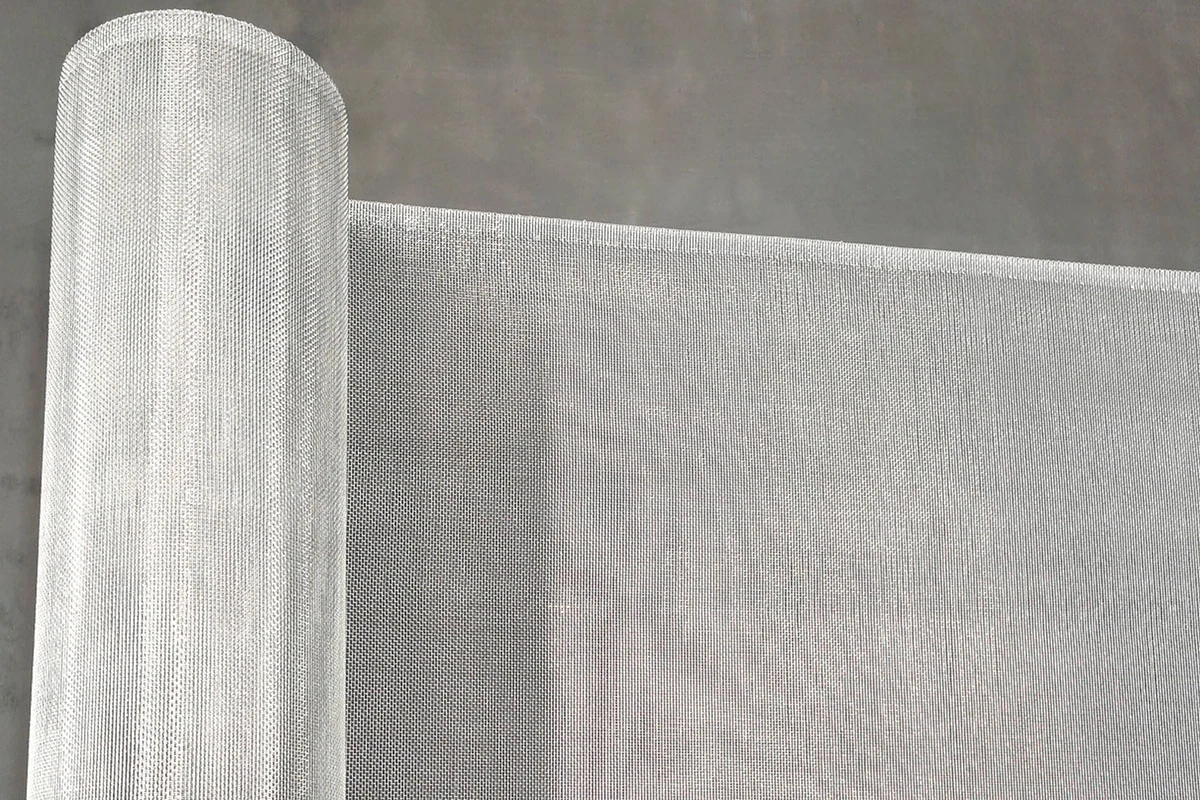
WOVEN WIRE MESH SOLUTIONS
Aperture and Weave Designed for the Process
Industrial woven wire mesh is produced by interlacing warp and weft wires into a repeatable cloth structure. Mesh count, aperture, wire diameter, weave type, material and roll dimensions are coordinated around separation accuracy, flow, strength and service conditions.
KEY ADVANTAGES
Industrial Mesh Defined by Measurable Parameters
The performance of woven wire mesh comes from the relationship between wire, opening and weave—not decorative appearance.
01
Controlled Apertures
Mesh count and wire diameter are selected together to define the working opening.
02
Multiple Weave Constructions
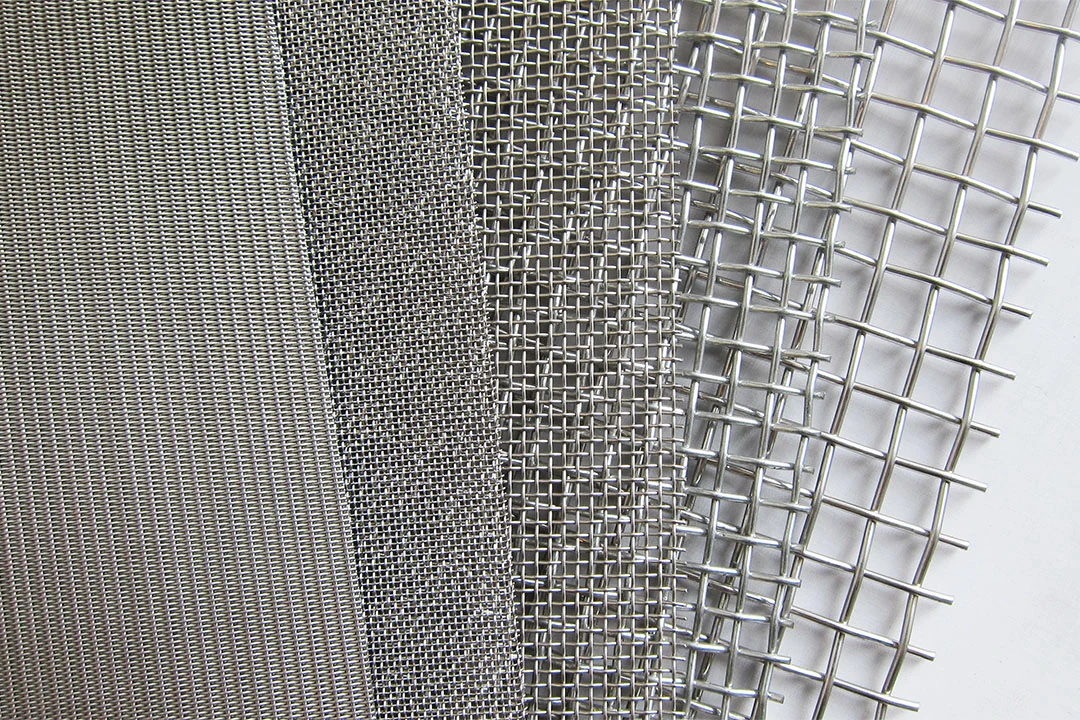
Plain, twill, Dutch and crimped structures address different filtration and strength needs.
03
Material Flexibility
Stainless steel and other metals can be matched to corrosion, temperature and process exposure.
04
Flexible Delivery Formats
Mesh can be planned as rolls, cut pieces, discs, screens or fabricated components.
WOVEN WIRE MESH PRODUCTS
Products by Material
Select the wire material around corrosion, temperature, contamination and mechanical duty. Weave, aperture and wire diameter remain specified independently.
01
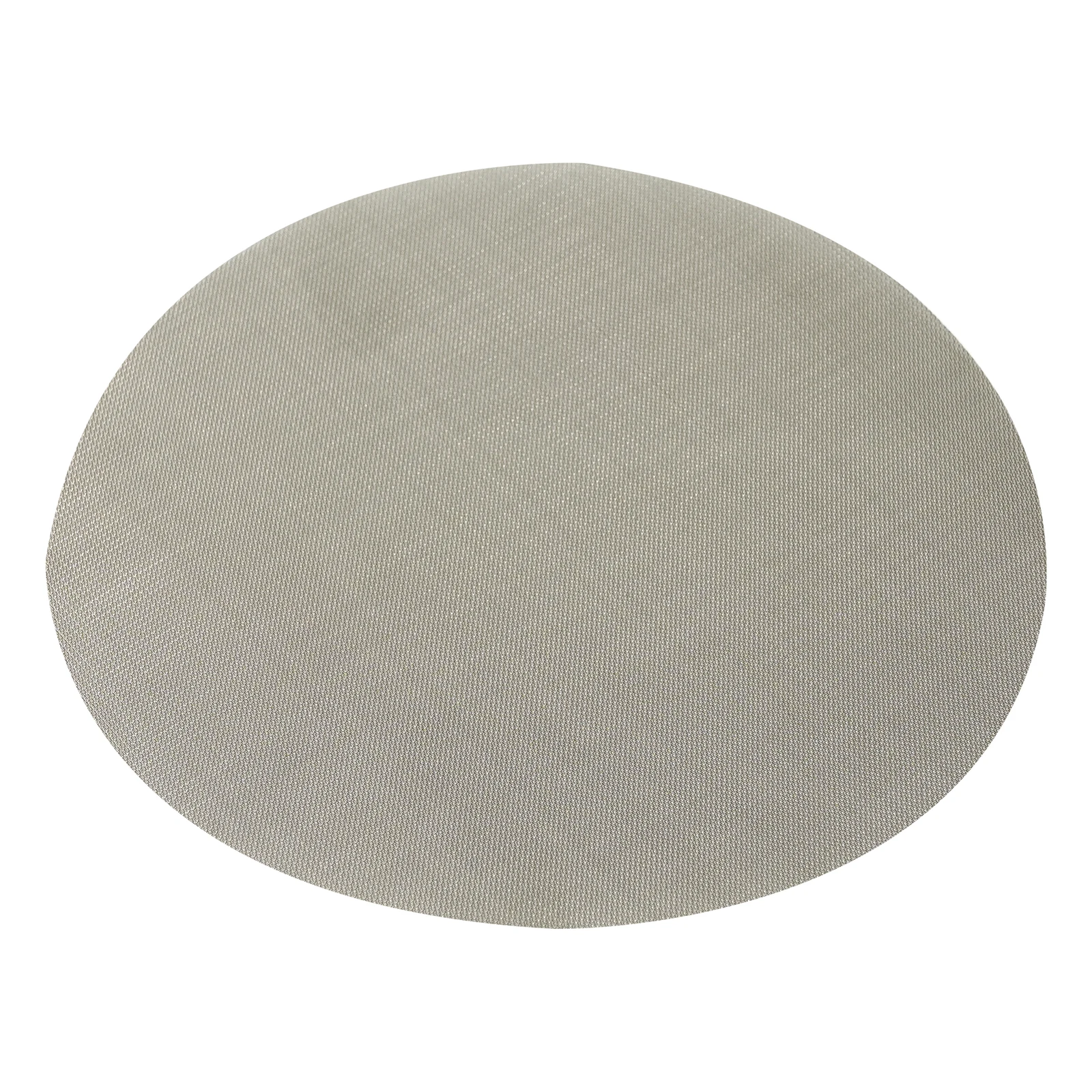
Stainless Steel Woven Wire Mesh
Corrosion-resistant wire cloth for filtration, screening, food, chemical and general industrial service.
02
Aluminum Woven Wire Mesh
Lightweight woven mesh for ventilation, screening and applications requiring reduced component weight.
03
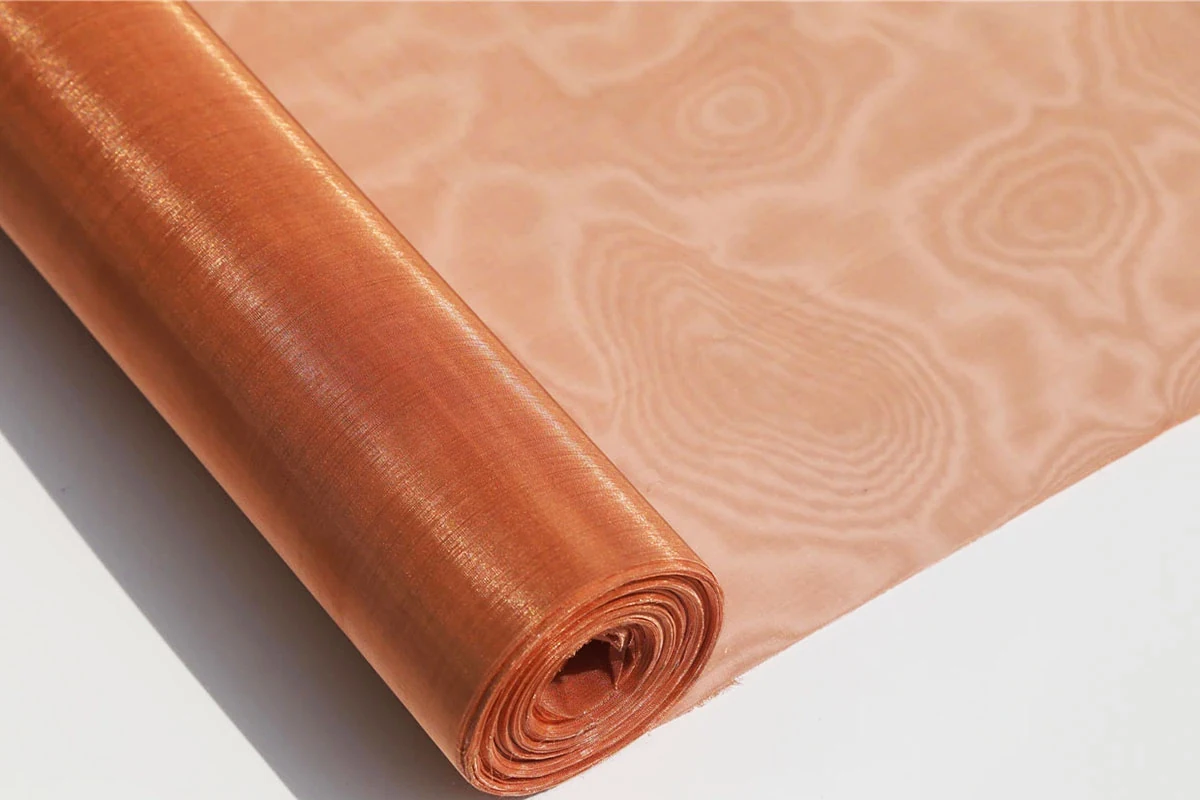
Copper Woven Wire Mesh
Conductive, non-magnetic woven mesh for shielding, specialist filtration and selected process uses.
04
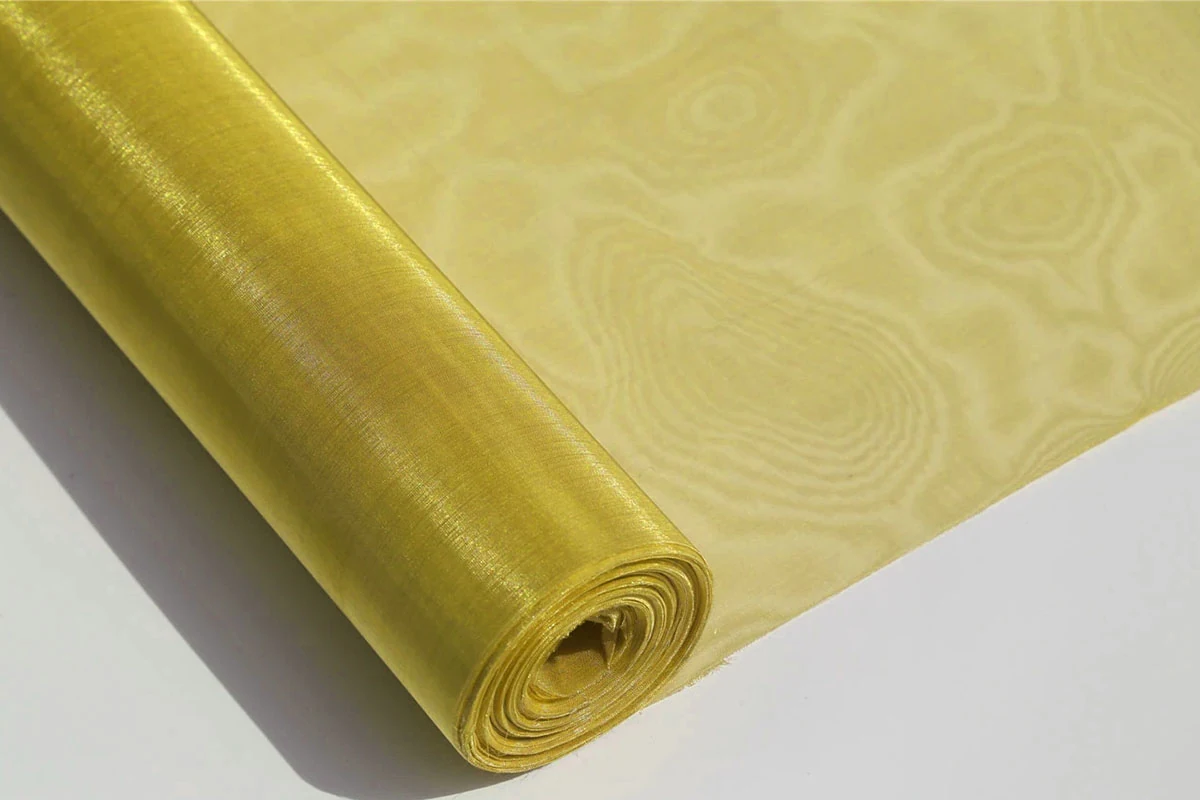
Brass Woven Wire Mesh
Stable non-ferrous wire mesh for screening, filtration and specialist industrial components.
05
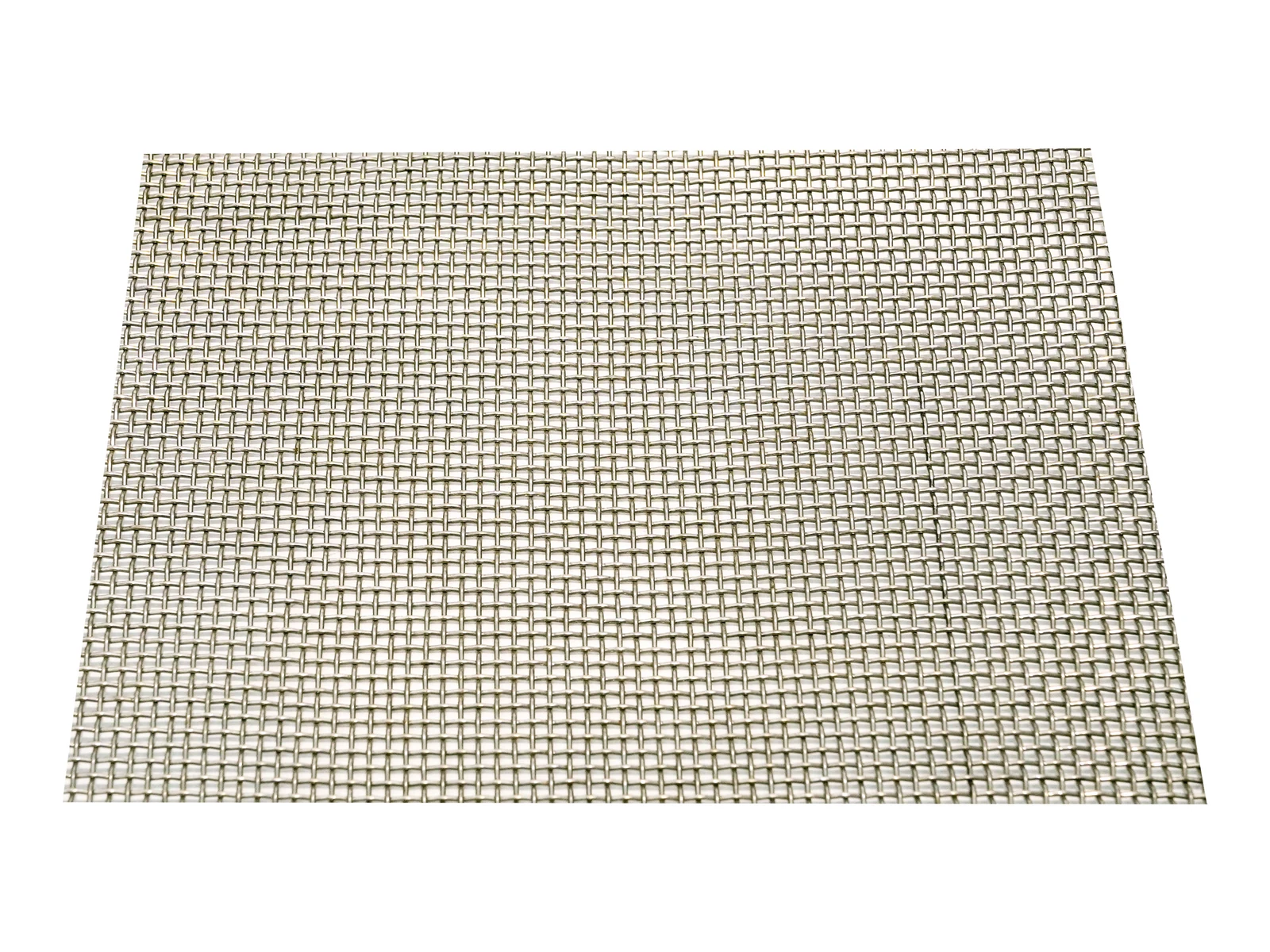
Galvanized Steel Woven Wire Mesh
Zinc-coated woven mesh for practical screening, guarding and suitable general environments.
06
More Woven Wire Mesh Materials
Carbon steel, nickel and project-specific alloys reviewed for temperature, corrosion and process duty.
MESH AND WIRE SPECIFICATIONS
Specify Opening and Wire Together
Mesh count alone is not a complete specification. Include weave type, aperture or mesh count, wire diameter, material, dimensions, edge condition, quantity and any filtration target.
| Specification | What It Defines | Order Information |
|---|---|---|
| Weave Type | Wire interlacing construction | Plain / Twill / Dutch / Crimped |
| Mesh Count | Openings per linear inch | Project-defined |
| Aperture | Clear opening between wires | Project-defined |
| Wire Diameter | Wire thickness | Project-defined |
| Roll or Panel Size | Delivery width and length | Standard or custom |
| Edge and Fabrication | Finished delivery condition | Raw edge / Selvedge / Cut / Framed |
APPLICATIONS
Woven Mesh for Screening, Filtration and Protection
Industrial use is defined by the required aperture, flow, retention, material resistance and finished delivery format. Application images are AI concepts, not completed AMBER projects.
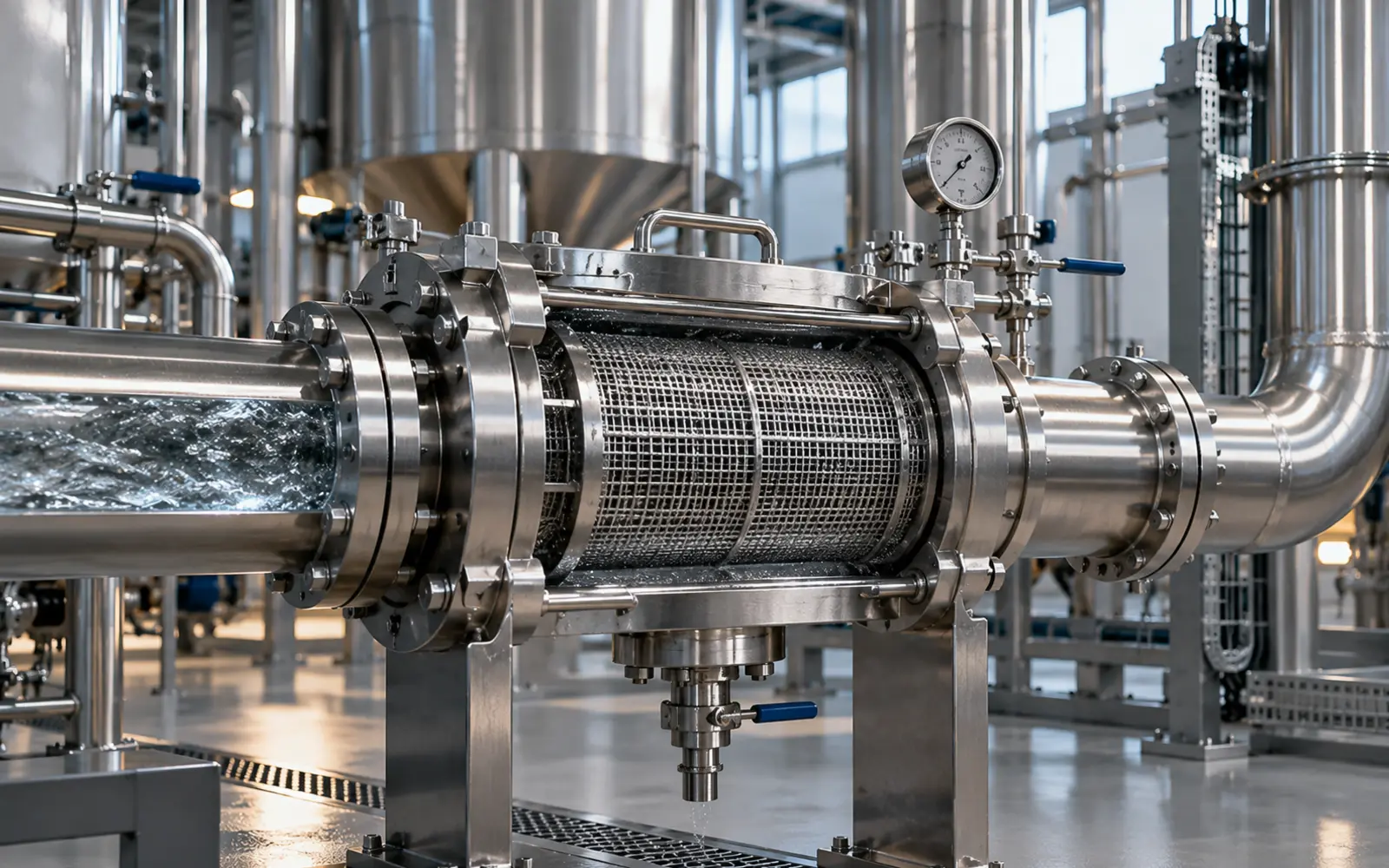
Liquid and Gas Filtration
Filter cloth and support layers for retaining particles while allowing controlled flow.
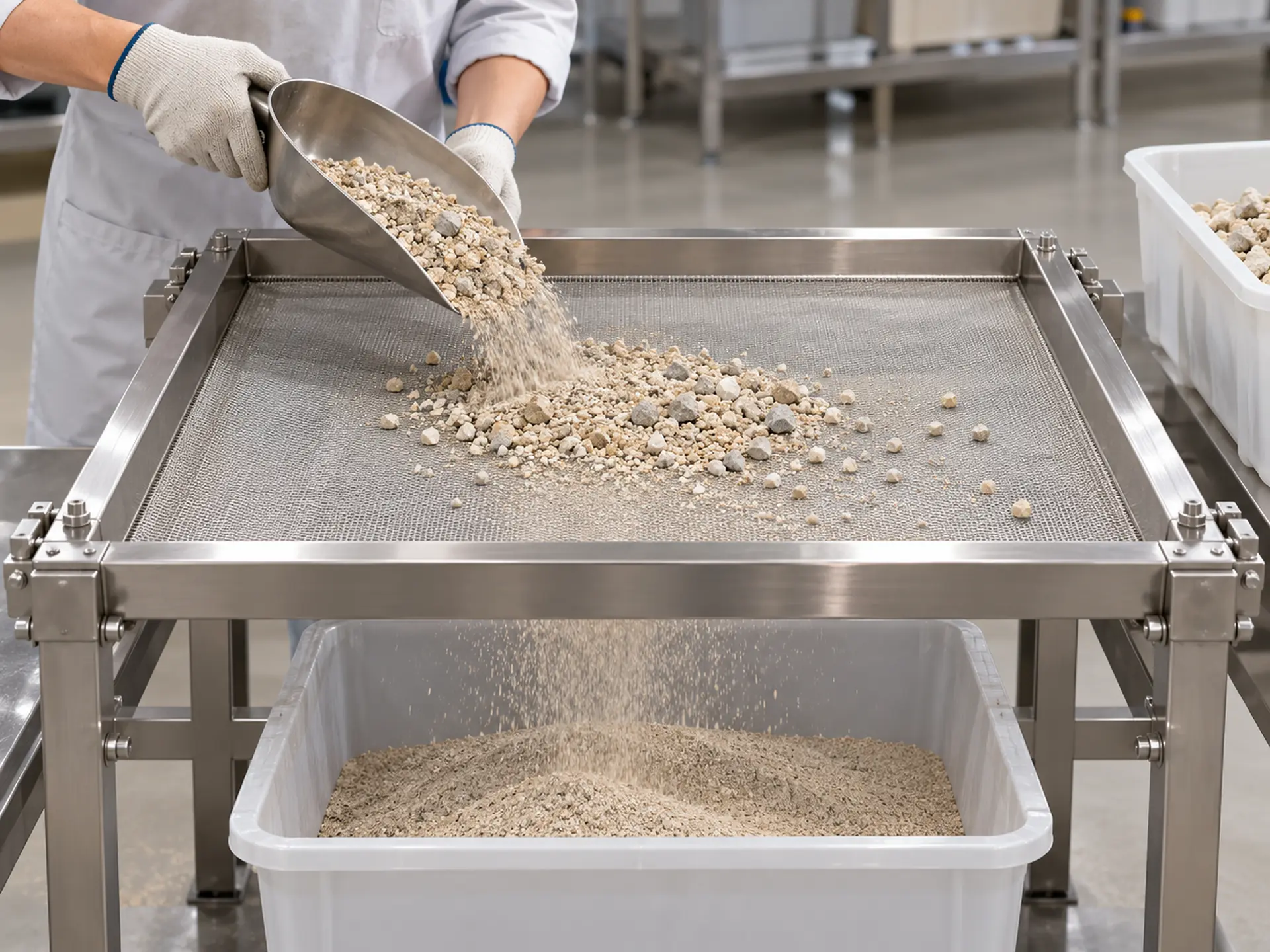
Sieving and Particle Sizing
Screens for grading powders, granules, aggregates and processed materials.
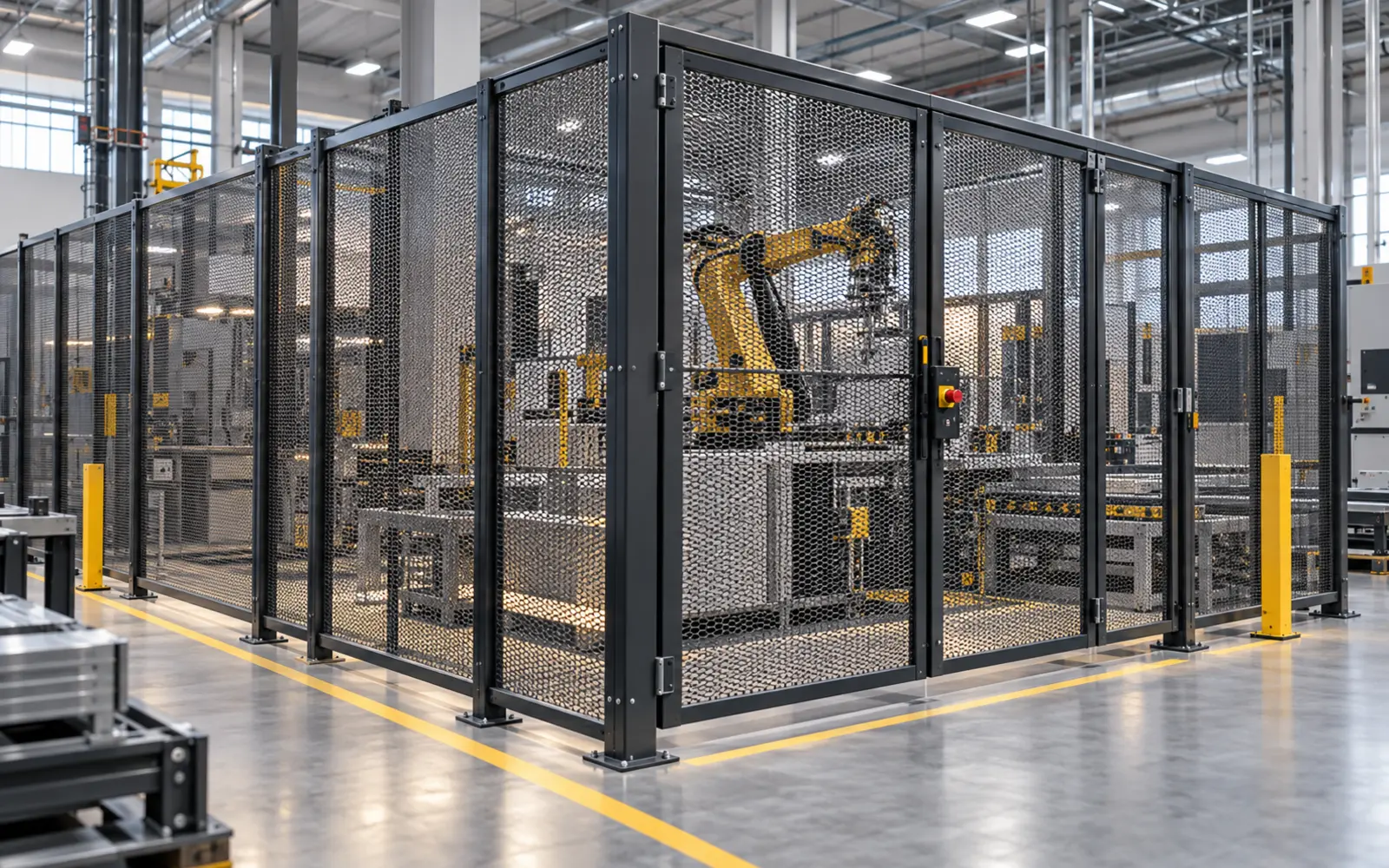
Machine and Safety Guards
Visible protective barriers around equipment, fans and moving components.
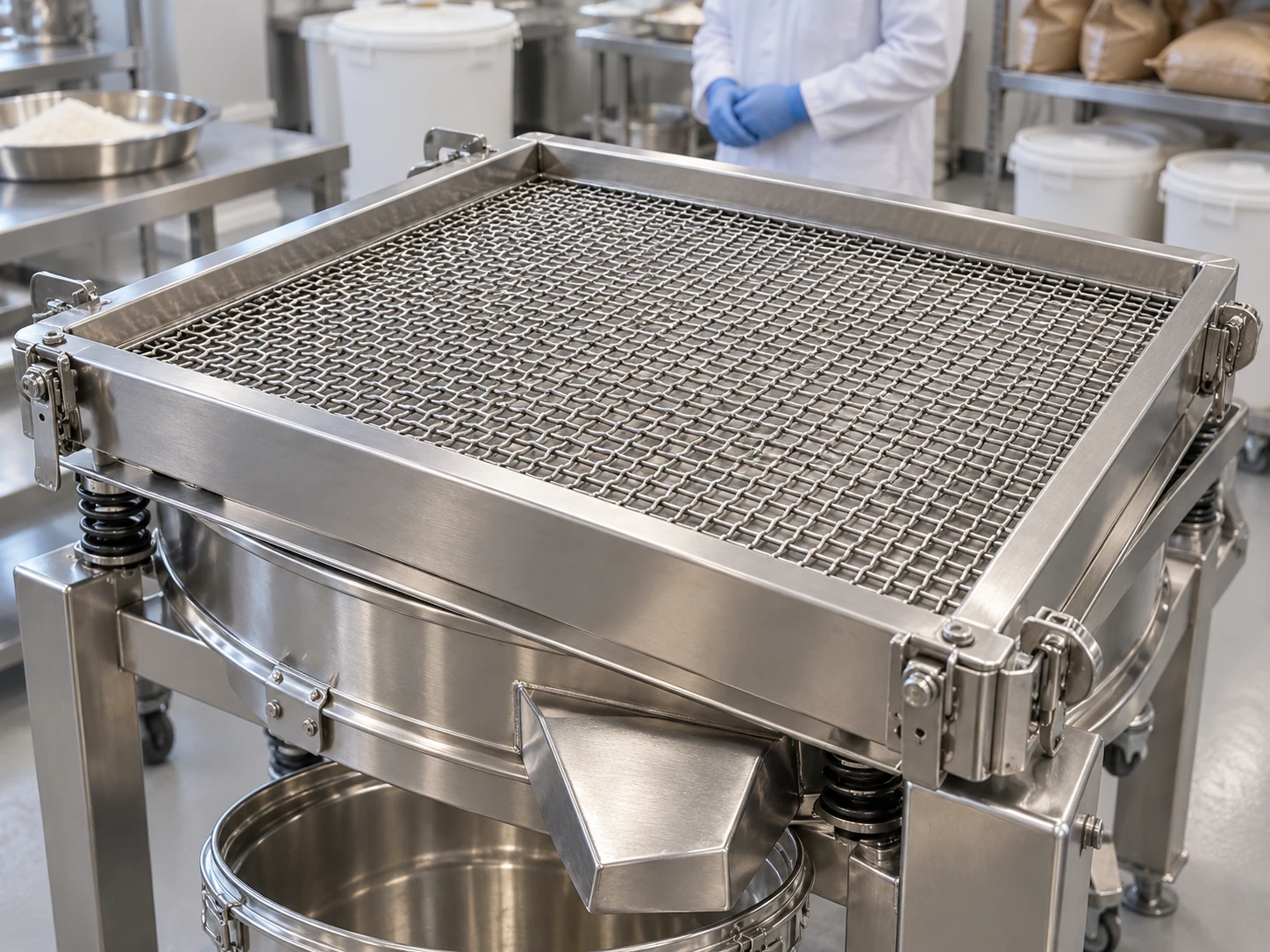
Food and Pharmaceutical Screening
Suitable stainless grades and cleanable constructions for controlled processing environments.
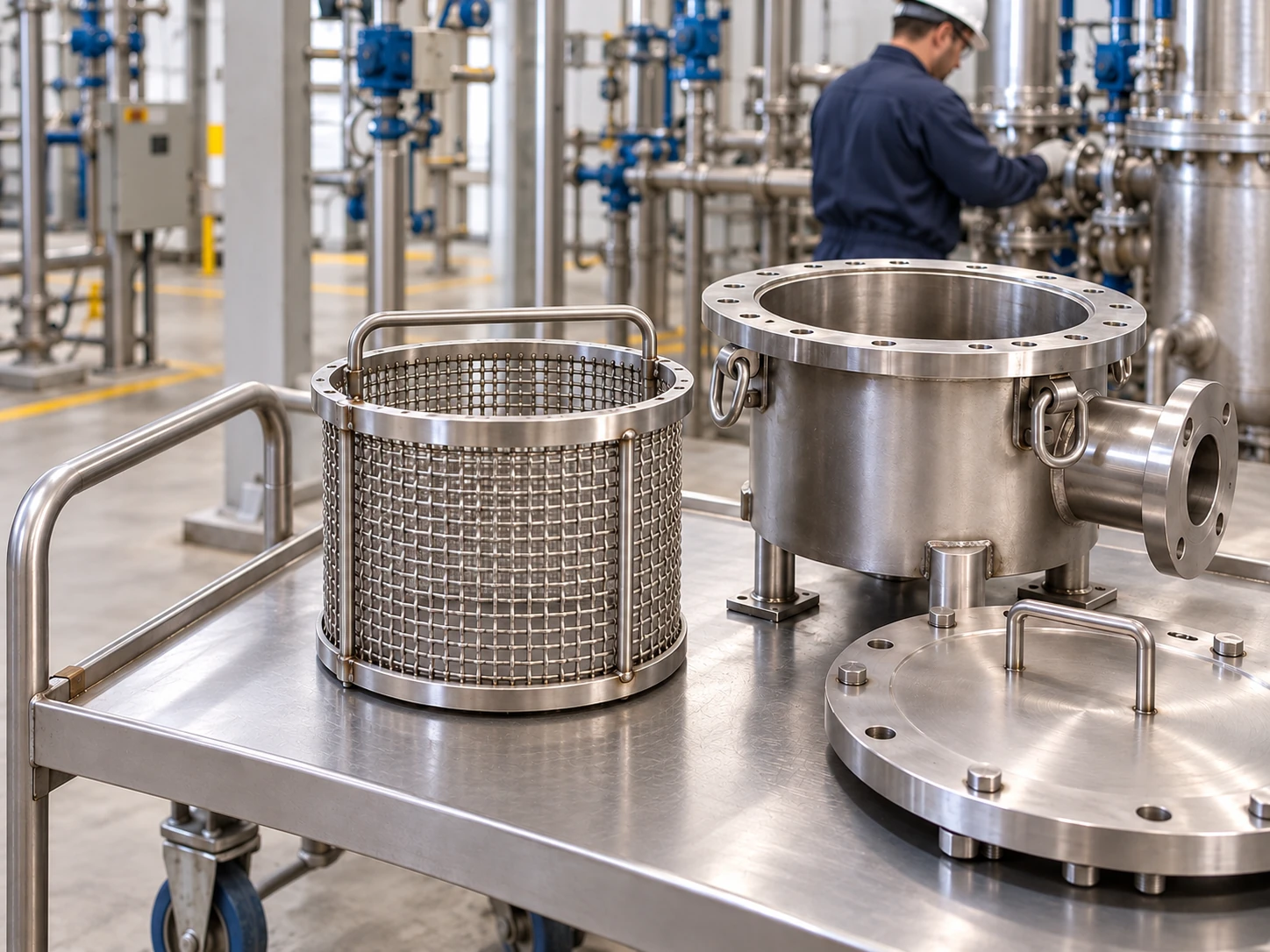
Chemical and Process Equipment
Mesh elements selected around corrosion, temperature and retention requirements.
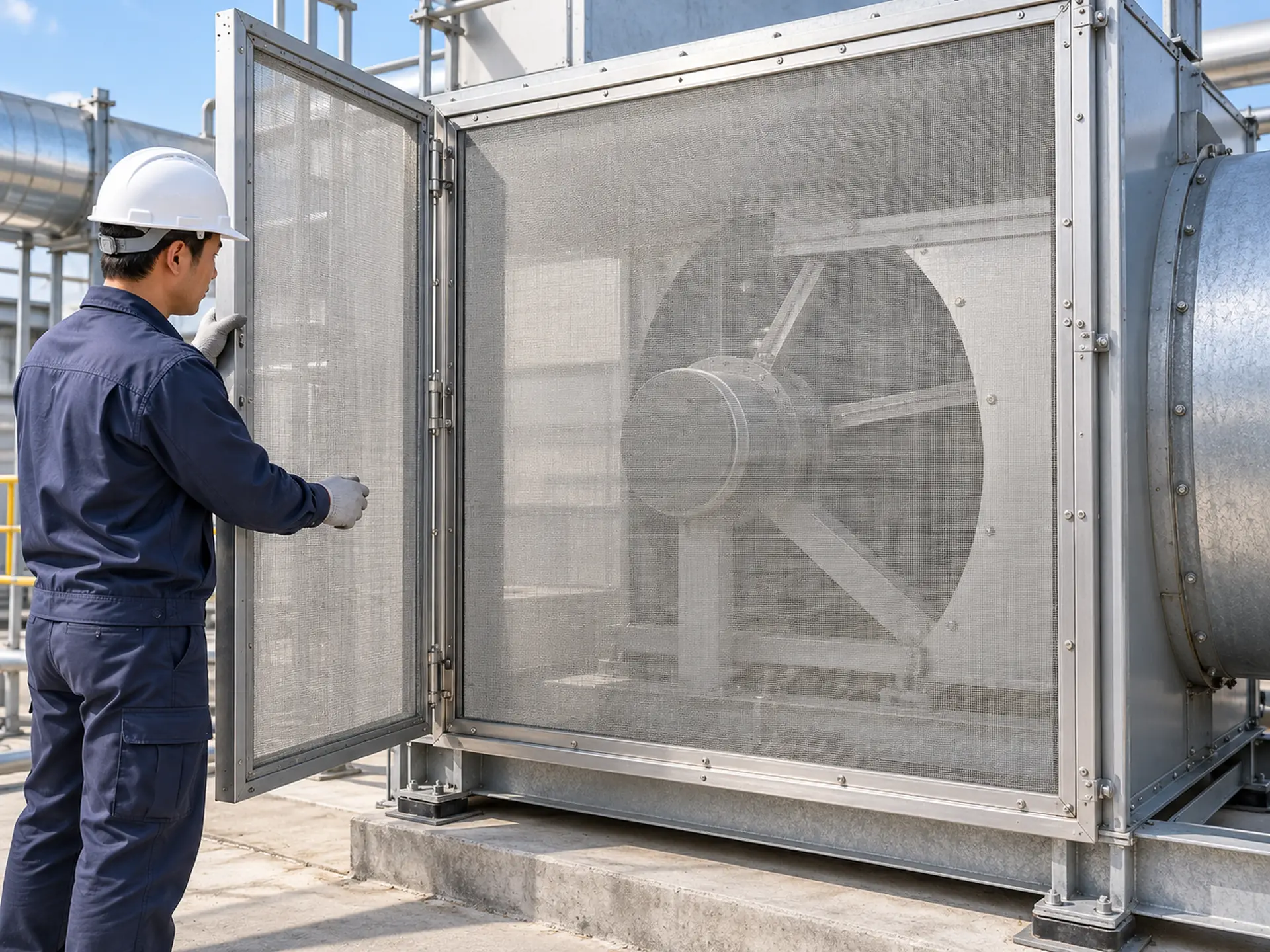
Industrial Ventilation
Screens, intake guards and separation layers that maintain air passage.
CUSTOM MANUFACTURING
From Rolls to Finished Mesh Components
AMBER can review roll widths and lengths, cut sheets, discs, strips, edge treatment, spot-welded packs, framed screens and other fabricated formats. Drawings should identify mesh orientation, finished dimensions and critical working areas.
QUALITY CONTROL
Inspection Points Defined Around the Mesh
Quality requirements should reflect the application, especially where aperture, cleanliness or finished dimensions are critical.
01
Material and Wire Review
Confirm wire grade, diameter and incoming condition against the defined order.
02
Weave and Aperture Inspection
Check mesh construction, opening consistency and visible weaving defects.
03
Dimension and Edge Check
Verify width, length, cut format, edge condition and fabricated dimensions.
04
Identification and Packing
Coordinate labels, roll protection and packing around storage and transport needs.
MANUFACTURING CAPABILITY
Built on Controlled Production
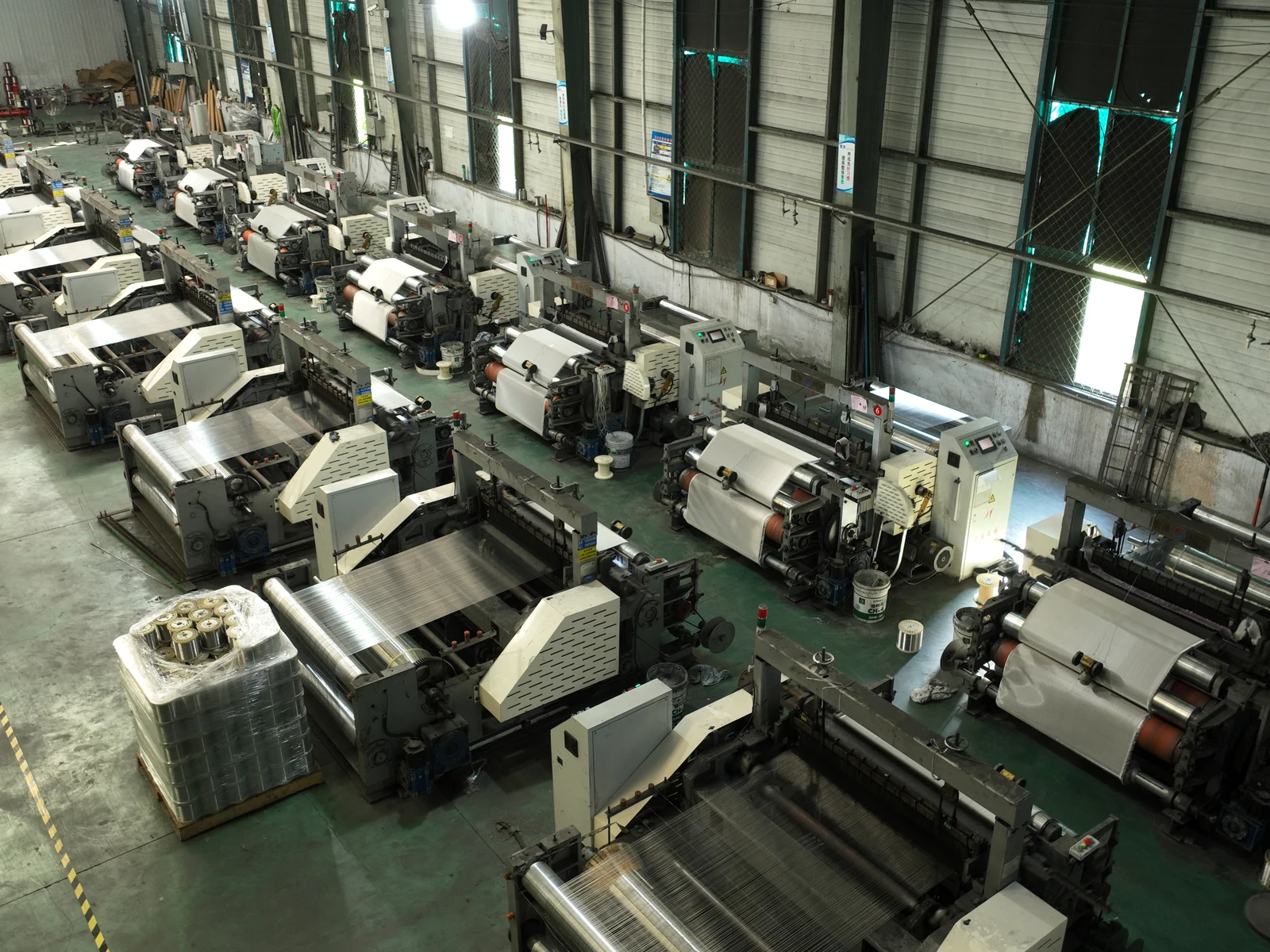
AMBER combines established manufacturing resources with product-specific review for woven wire mesh orders, from incoming material and production setup to fabrication coordination and export packing.
2002Manufacturing experience since
35Weaving Machines
100+Employees
70+Other Production Machines
3Production workshops
ISO 9001:2015Quality management
FREQUENTLY ASKED QUESTIONS
Industrial Woven Mesh Planning Questions
Confirm the full mesh specification before comparing products or relying on a nominal mesh count.
Provide weave type, mesh count or aperture, wire diameter, material, roll or panel dimensions, edge condition, quantity and application.
Mesh count describes the number of openings per linear inch. Aperture is the clear space between adjacent wires and also depends on wire diameter.
Dutch weaves are commonly reviewed for fine filtration and high mechanical stability where the filtration path is more important than a square opening.
Yes. Cut sheets, strips, discs, packs and framed screens can be reviewed from drawings and tolerance requirements.
Sample and documentation requirements can be discussed after the mesh specification, material and intended application are confirmed.
START YOUR WOVEN WIRE MESH ORDER
Share the Weave, Aperture and Wire Requirements
Send the application, weave, mesh count or aperture, wire diameter, material, dimensions, quantity and finished format for review.